
Vase Identification: How to Identify a Vase by Photo
Identifying a vase requires examining shape, glaze patterns, base marks, and construction details. This guide shows you which clues matter most and how to photograph them effectively for accurate identification.
Vase Identification: How to Identify a Vase by Photo
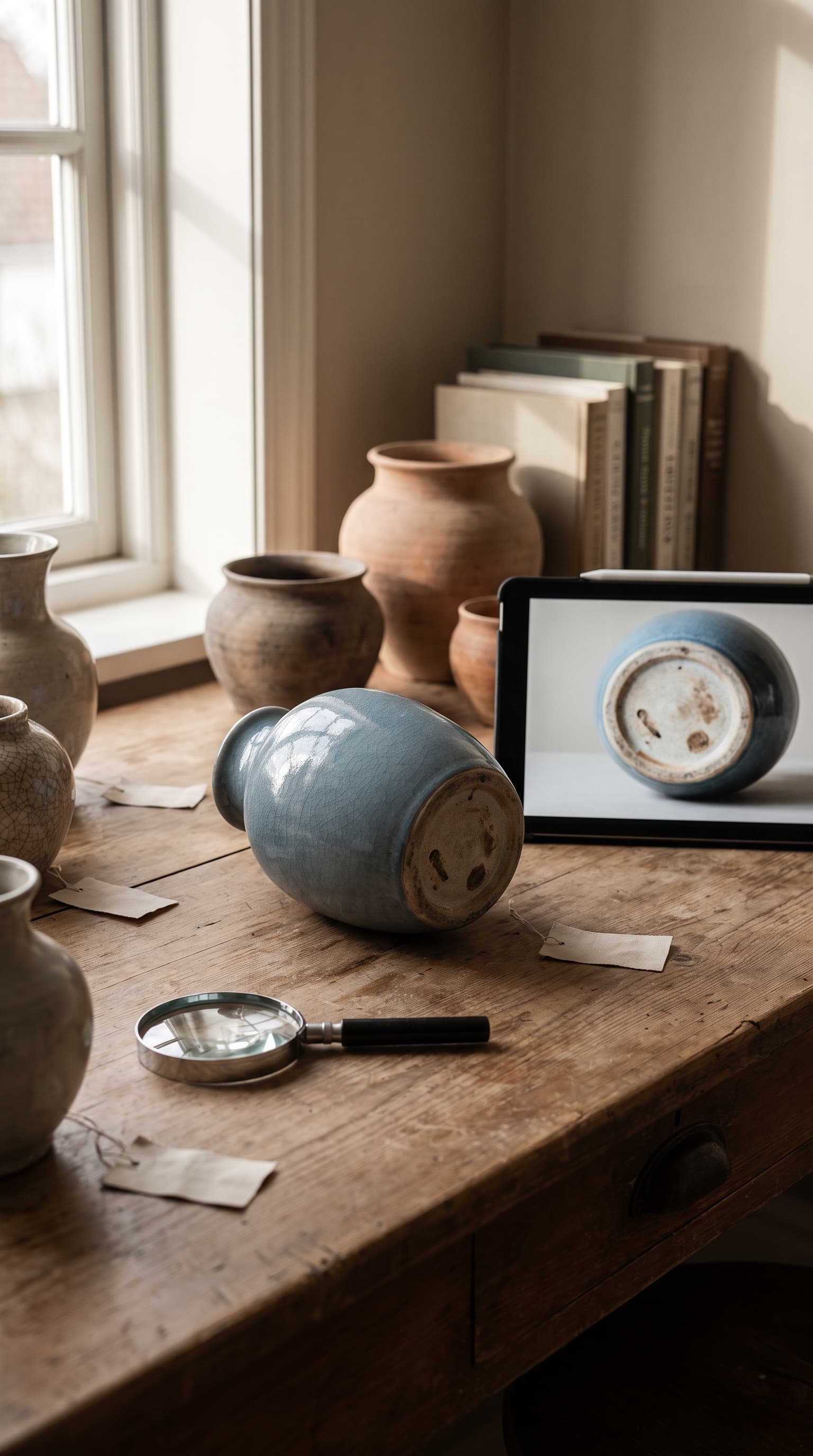
Identifying a vase by photo starts with understanding what separates a $15 flea market find from a $1,500 piece of art pottery. The shape of the neck, the quality of the glaze, the weight of the base—these details tell the story of who made it, when, and why it matters. Whether you've inherited a collection or spotted something interesting at an estate sale, knowing which clues to look for makes all the difference.
What Clues Matter Most for Vase Identification
The base is your first stop. Flip the vase over and look for marks, stamps, or incised signatures. A clear maker's mark can instantly identify the manufacturer or artist. But even unmarked vases reveal plenty—look for glaze drips that stopped short of the foot, kiln grit stuck to the bottom, or the color of the exposed clay. White clay suggests porcelain or refined earthenware, while buff or red clay points to stoneware or terracotta.
Shape and proportion matter more than most people realize. The profile of a vase—whether it's a Classic Greek amphora form, a squat Arts and Crafts vessel, or a sleek Mid-Century cylinder—signals its era and origin. Pay attention to the neck, the shoulder, and how the body tapers. Hand-thrown pottery often shows subtle irregularities, while molded pieces have crisp, uniform lines.
Glaze tells you about technique and period. A crackled celadon glaze suggests Asian influence or Arts and Crafts revival. Drip glazes in earth tones scream 1960s studio pottery. High-gloss commercial glazes were common in the mid-20th century, while matte finishes dominated the Arts and Crafts movement. Look for glaze pooling in crevices, color variation, and whether the glaze stops cleanly at the base or runs over.
Construction details separate handmade from factory work. Check the interior—wheel-thrown pieces show concentric throwing rings, while slip-cast vases are smooth inside. Seam lines indicate mold work. Weight matters too: bone china feels lighter than earthenware, and studio pottery often has heftier walls than mass-produced pieces.
What Photos to Take for Vase Identification
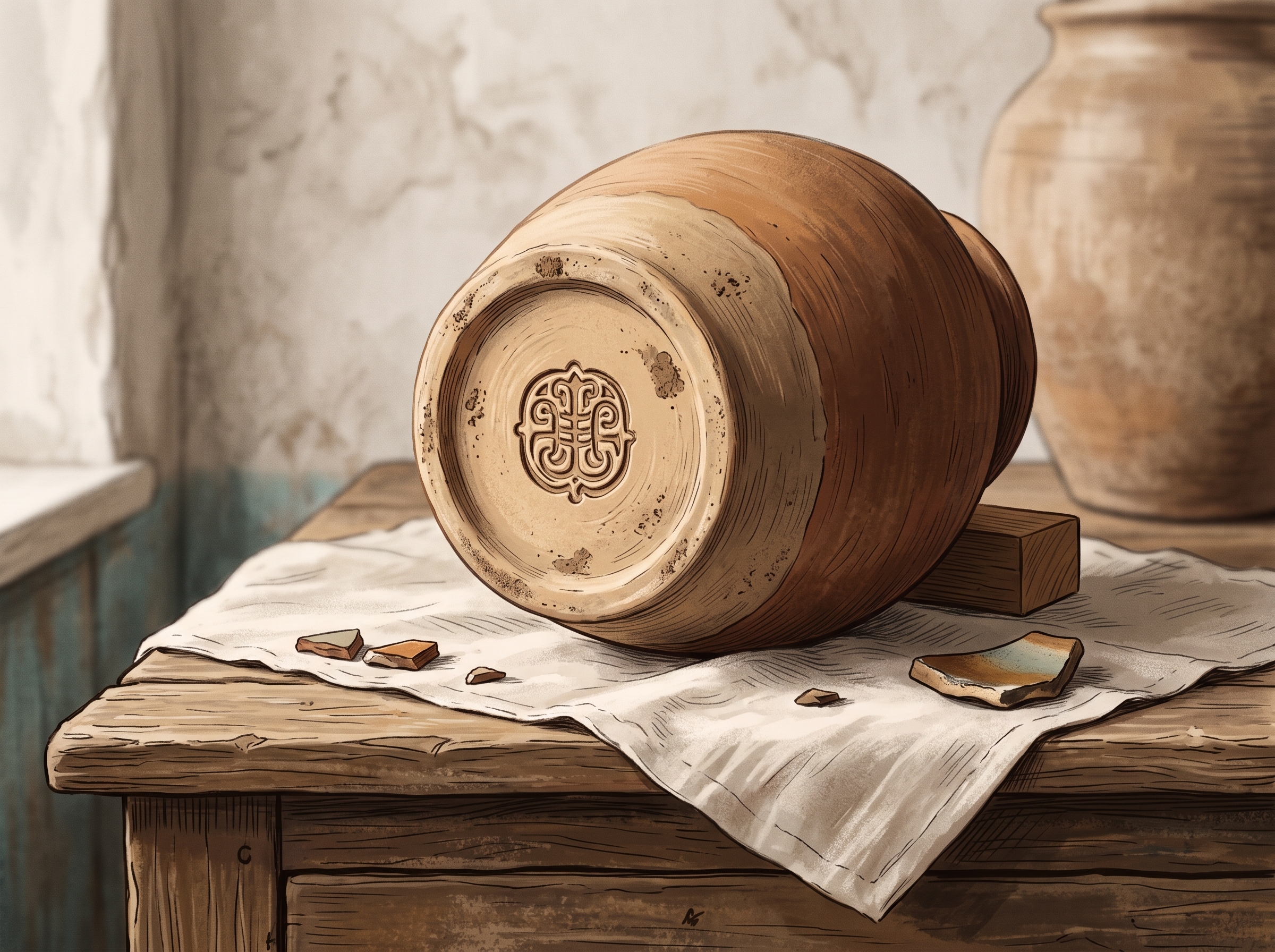
Start with the base. This is where maker's marks, stamps, and signatures live. Photograph it straight-on with even lighting, no shadows obscuring the details. If there's an incised mark, try angling a light source from the side to create shadows that make shallow letters or numbers more visible. How to Photograph Maker Marks: A Complete Guide to Clear Mark Photos walks through exactly how to capture these crucial details.
Capture the full profile against a plain background. Stand the vase upright and photograph it from eye level so you can see the true proportions—the relationship between height and width, how the neck flares or narrows, where the shoulder sits. This shot helps identify the form and era.
Get close-ups of the glaze. Photograph areas where the glaze shows texture, color variation, or crazing. If there are decorative elements—hand-painted designs, applied flowers, relief patterns—capture those in detail with good focus. These can distinguish between mass-produced and artist-made pieces.
Shoot the interior if possible. For vases with wide openings, angle your camera or phone to show the inside surface. This reveals throwing marks, glaze coverage, and construction methods that aren't visible from outside.
Include a size reference in at least one photo. A coin or ruler next to the vase gives context for scale, which helps narrow down possibilities.
Common Misidentifications with Vases
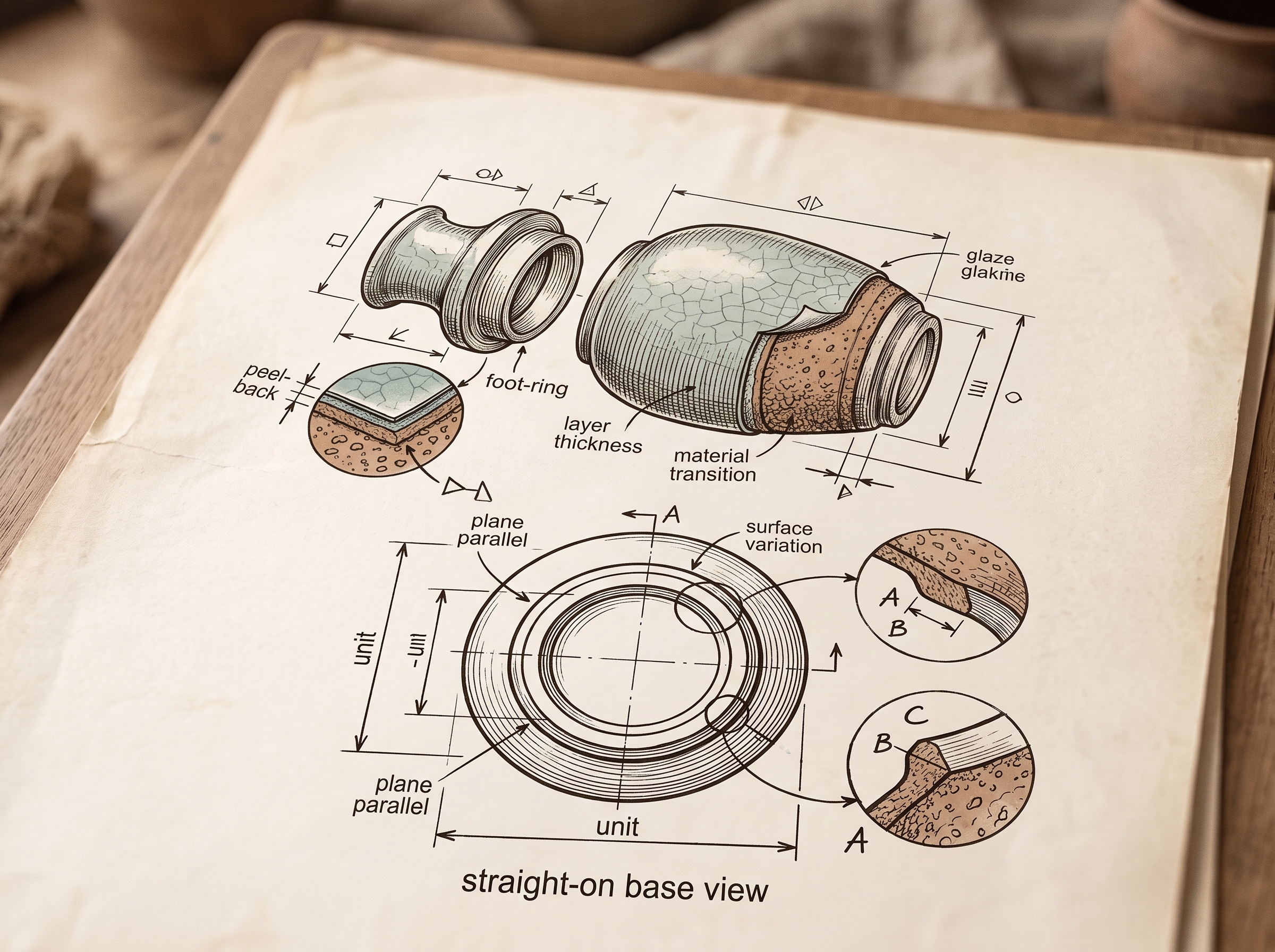
People often mistake reproduction Asian ceramics for antiques. Modern Chinese and Japanese export pieces frequently copy historical forms and glazes but lack the weight, patina, and subtlety of genuine antiques. Look at the base—modern pieces often have suspiciously clean, bright glaze, while older pieces show wear, age-appropriate crazing, and exposed clay that's mellowed over time.
Studio pottery gets confused with factory work all the time. A signed piece by a known studio potter can be worth hundreds or thousands, while a similar-looking unsigned piece from a 1970s import shop might be worth $20. The difference lies in the quality of the glaze application, the individuality of the form, and the signature. Without a clear mark, these can be tough to tell apart in a single photo.
Fancy Victorian glass vases are often called "art glass" without understanding what that term means. True art glass from makers like Tiffany, Steuben, or Loetz shows exceptional technical skill—iridescent surfaces, complex layering, or controlled bubbles. Pressed glass with painted decoration looks impressive but doesn't command the same prices. Check whether the decoration is in the glass itself or painted on top.
Mid-century mass-market ceramics frequently get mistaken for designer pieces. A generic turquoise glaze vase from the 1960s might look like Bauer or Haeger, but without marks, it could be from any of dozens of American or Italian manufacturers. Shape and glaze alone aren't enough—you need marks or extremely distinctive design details.
How Tocuro Helps You Identify Vases
Vase identification often requires cross-referencing shapes, glazes, marks, and makers across hundreds of manufacturers and time periods. That's where Tocuro comes in. Upload your photos—base mark, full profile, glaze details—and Tocuro analyzes the visual clues to identify the maker, era, and style. It's designed to recognize everything from signed studio pottery to unmarked commercial ware.
Tocuro also provides estimated value ranges based on current market signals, not formal appraisals. This helps you understand whether you're looking at a collectible art pottery piece or decorative ware. The app pulls from pattern databases and visual similarity matching to give you answers quickly, without flipping through reference books or scrolling through endless auction results.
You get 7 free identifications per day, which resets daily—plenty to work through a small collection or test pieces you're considering buying. For collectors working through estate items or larger collections, higher-volume use is available.
Whether your vase has a clear mark you can't decipher or no mark at all, Tocuro helps you move from "I found this at a yard sale" to "This is a Roseville Futura vase from 1928" with the photos you already have.
Ready to Identify Your Vase?
Don't let an unmarked base or unfamiliar glaze stop you from learning what you have. Grab your phone, take clear photos of the base, shape, and glaze details, and identify your vase with Tocuro. You'll get answers in minutes, not hours of research.
For more help capturing the photos that matter most, check out the Vase Identification App guide and learn more about reading decorative marks in Vintage Stamp Identification: How to Read Decorative and Maker Marks.
Photo identification
Identify Your Item
Use Tocuro to identify your item from a photo and get an estimated value range when market data is available.