
Porcelain Identification: How to Identify Porcelain by Photo
Identify porcelain pieces by capturing the right photo clues: translucency tests, foot ring details, and backstamp marks. Learn which features distinguish true porcelain from lookalikes and how proper photos reveal maker, origin, and period.
What Clues Matter Most for Porcelain Identification
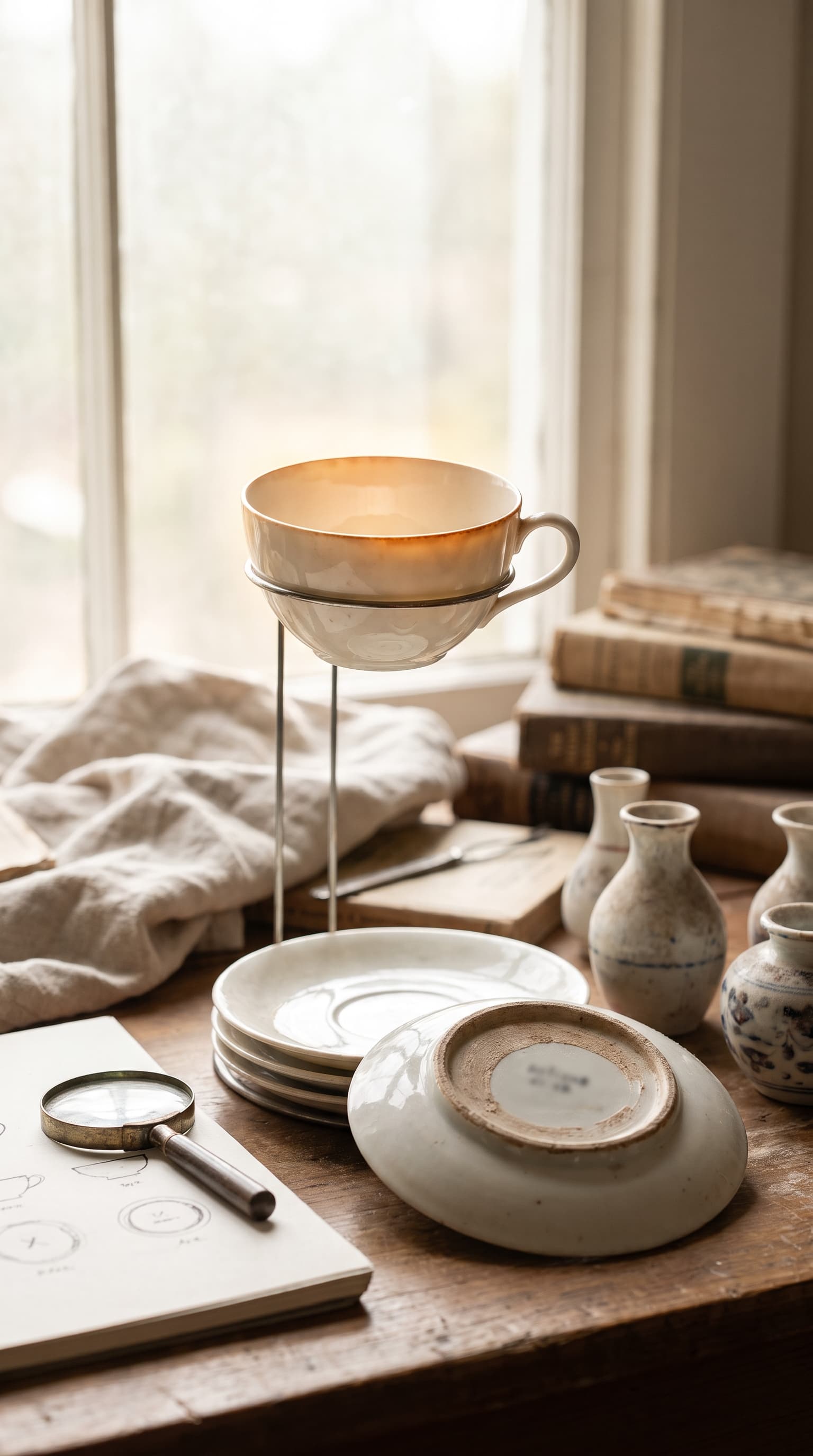
True porcelain has a distinct personality that shows up in photos when you know where to look. The three most reliable identification clues are translucency, the condition and finish of the foot ring, and backstamp details.
Translucency is porcelain's signature trait. Hold a piece up to bright light or use your phone's flashlight behind it. Real porcelain glows with a soft, even light passing through the body. Earthenware stays opaque. Bone china (which is technically porcelain) shows warmer translucency due to bone ash content. This single test separates genuine porcelain from stoneware, pottery, and most ceramic lookalikes.
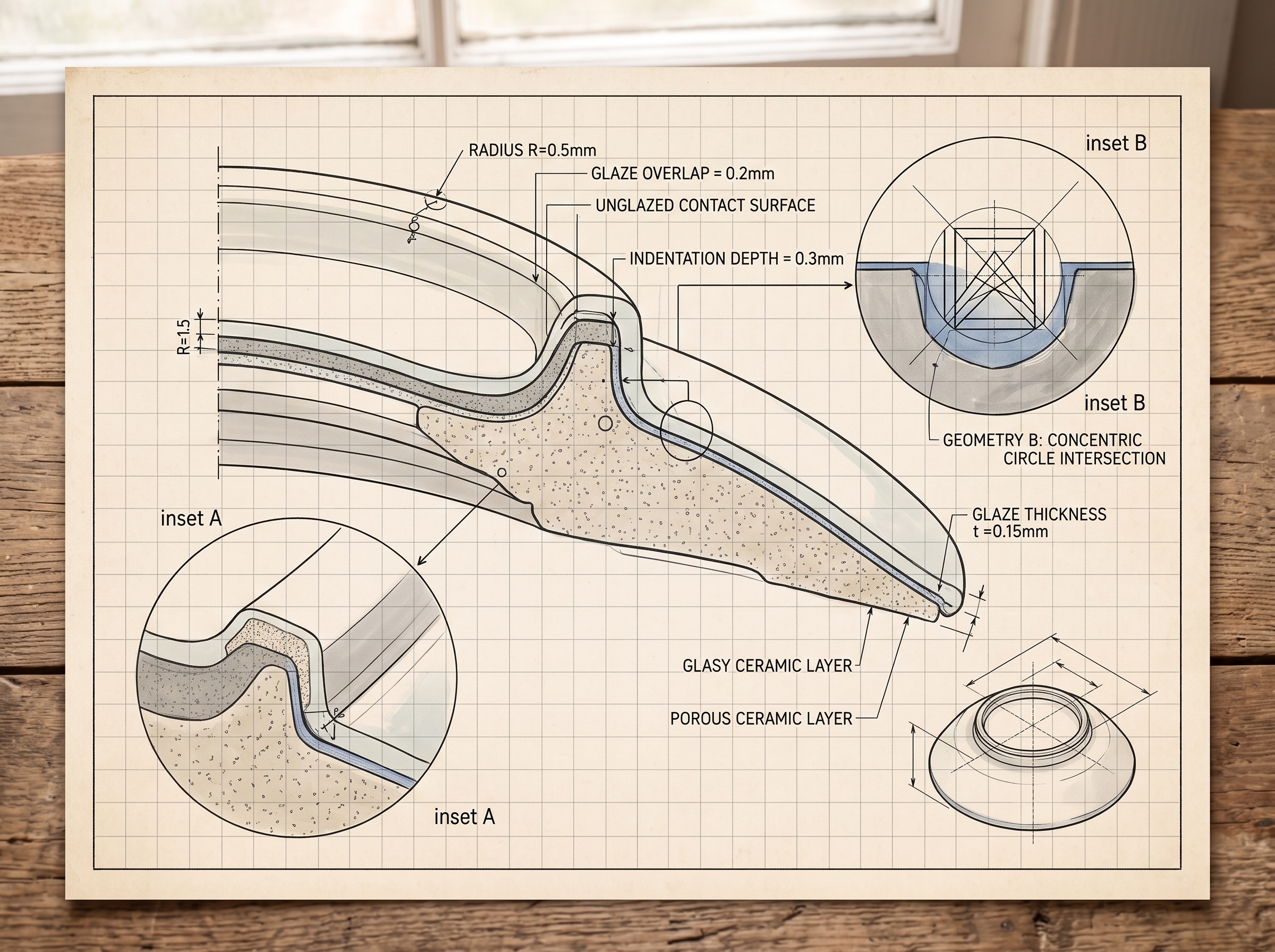
The foot ring—that circular ridge on the base—tells you about manufacturing quality and period. On fine porcelain, it's smooth, evenly trimmed, and often glazed. Rougher rings with visible tool marks suggest earlier production or utilitarian ware. The glaze inside the ring matters too: a perfectly clean ring indicates careful finishing, while glaze pooling or bare patches point to different makers and eras.
Backstamps offer the most direct identification path. These marks include manufacturer logos, country names, pattern names, and date codes. But backstamps alone can mislead—many were copied, marks changed over decades, and some valuable early porcelain carries no mark at all. Cross-reference backstamps with body characteristics for confident identification.
Other helpful details: weight (porcelain feels lighter than stoneware but substantial compared to modern ceramics), surface finish (hard, glass-like, resistant to scratching), and decoration type (hand-painted, transfer-printed, or molded relief work each suggest different origins and periods).
What Photos to Take for Porcelain Identification
The right photos transform guesswork into confident identification. Start with these essential shots:
Backstamp close-up: Photograph the base mark straight-on, in focus, with even lighting. Capture every detail—crowns, letters, numbers, symbols. If the mark is worn, try angling your light source to create shadows that reveal faint impressions. Many marks include small registration numbers or date codes that narrow identification significantly.
Translucency test photo: In a darkened room, hold the piece against a bright light source (phone flashlight, lamp, window). Photograph how light passes through—or doesn't. This single image often separates porcelain from ceramic imposters. For plates and bowls, photograph through the center where the body is thickest.
Foot ring detail: Flip the piece over and photograph the entire foot ring. Show the glaze finish, any tool marks, color variations, and whether the ring is glazed or unglazed. This area reveals manufacturing methods and helps date pieces.
Overall form and decoration: Take a well-lit photo of the entire piece from multiple angles. Capture shape, handles, finials, and any decorative elements. Pattern details matter—some makers used signature border designs or specific color palettes.
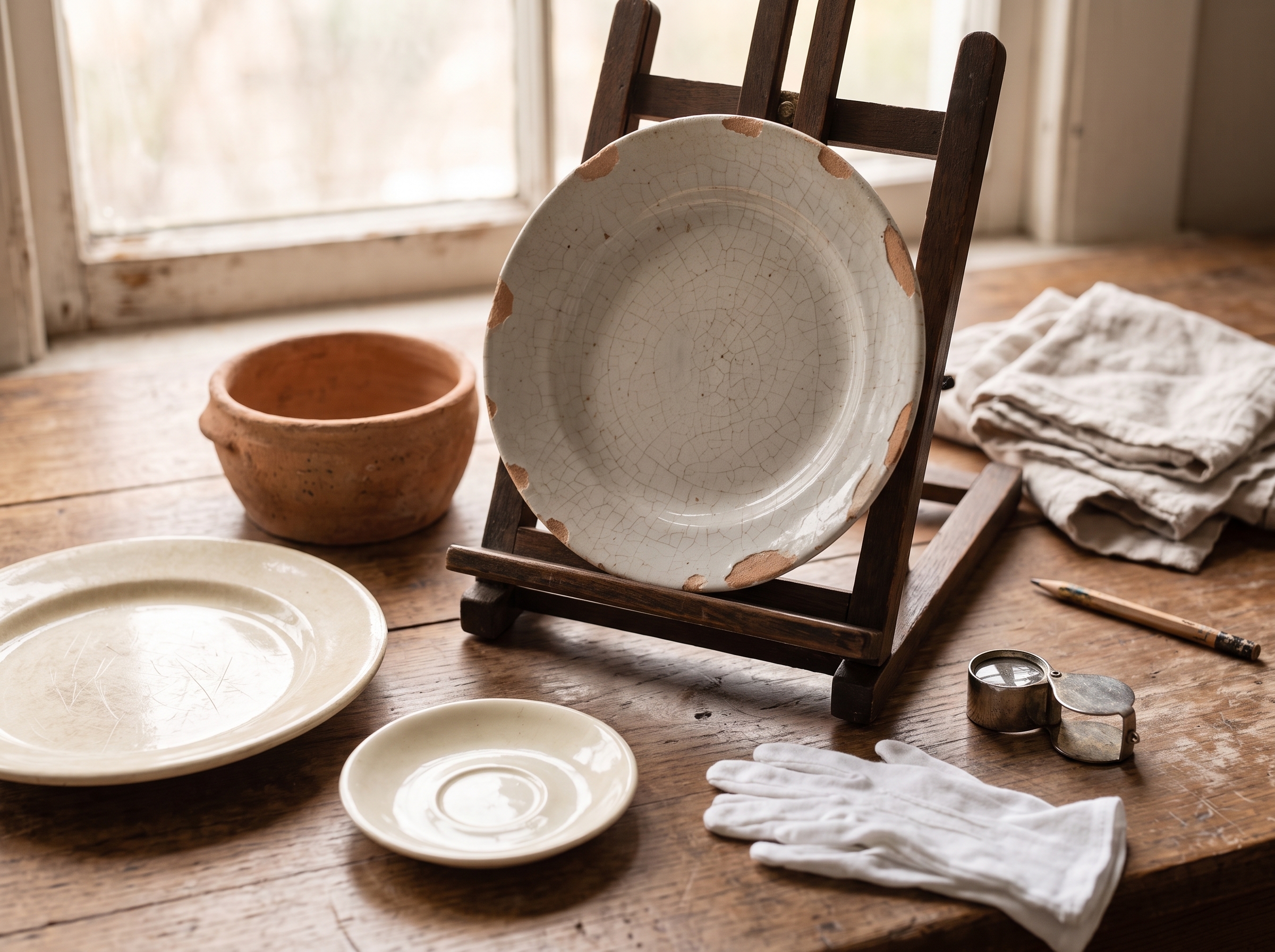
Any damage or repairs: Chips, cracks, and repairs reveal the body color and texture underneath glaze. A chip showing white body confirms porcelain; tan or red suggests earthenware.
For dinnerware sets, photograph one representative piece from each form (plate, cup, saucer) since backstamps sometimes varied within the same pattern. If you're working with bowls or figurines, capture any incised marks or impressed numbers that appear on sides or bases in addition to painted marks.
Common Porcelain Identification Mistakes
Collectors regularly confuse porcelain with similar materials, leading to misidentification and incorrect value estimates.
Bone china vs. hard-paste porcelain: Both are translucent, both can carry prestigious maker marks, and both qualify as "porcelain." Bone china (invented in England) contains bone ash, appears slightly warmer in translucency, and dominates English production. Hard-paste porcelain (the original Chinese formula) fires at higher temperatures and shows cooler translucency. The distinction matters for origin stories but both are genuine porcelain.
White stoneware mistaken for porcelain: Quality stoneware feels heavy, looks refined, and sometimes carries impressive backstamps. But it won't show translucency. Ironstone, semi-porcelain, and hotel china often get mislabeled as porcelain when they're actually dense, opaque stoneware. Check translucency before assuming you're holding porcelain.
Assuming all marks mean age: Backstamps like "Made in Occupied Japan" (1945-1952) date precisely, but many manufacturers used retrospective marks or continued old backstamp designs for decades. A crown and "Royal" in the mark doesn't guarantee age or quality. Some modern imports deliberately use vintage-looking marks. Context matters—compare the mark against body characteristics and manufacturing details.
Confusing porcelain types with origin: "Limoges" describes a French porcelain-producing region, not a single maker. Dozens of factories operated there. Similarly, "Dresden" refers to a German region, and multiple manufacturers used Dresden-style marks. Region names help narrow identification, but you still need specific factory marks for precise attribution.
Overlooking pattern names: The backstamp might say "Royal Doulton," but the pattern name matters equally. Makers produced hundreds of patterns, and value varies dramatically between common and rare designs. Pattern names usually appear near the maker's mark or as a separate impressed stamp.
How Tocuro Helps Resolve Porcelain Identification Challenges
Porcelain identification requires matching visual clues against thousands of makers, marks, and patterns. That's exactly where Tocuro excels. Upload your photos—especially backstamp, translucency, and foot ring shots—and Tocuro's image recognition cross-references details against extensive databases of porcelain manufacturers, periods, and styles.
Tocuro helps when backstamps are partially worn, when pieces lack marks entirely, or when you're comparing similar-looking patterns from different makers. The system recognizes decorative styles, glaze characteristics, and form details that human eyes might miss or not know to prioritize.
Beyond identification, Tocuro provides estimated value ranges based on current market signals. These estimates aren't formal appraisals, but they give you realistic context for what similar pieces actually sell for—helpful whether you're buying, selling, or simply curious about what's in your cabinet.
You get 7 free identifications per day, and the count resets daily, so you can work through a collection methodically without commitment.
Identify Your Porcelain Pieces
The difference between porcelain and ceramic, between one maker and another, between common and collectible—it's all visible in the right photos. Translucency, foot rings, and backstamps tell the story, but only when you know how to read them.
Ready to identify what you've found? Upload your porcelain photos to Tocuro and get maker identification, period dating, and current market value estimates based on the details that matter most to collectors.
Photo identification
Identify Your China
Use Tocuro to identify your item from a photo and get an estimated value range when market data is available.