
What to Know Before You Buy Antique Furniture: A Practical Pre-Purchase Guide
A practical guide covering the essential knowledge buyers need before purchasing antique furniture—from quick condition checks to authenticity concerns and value research.
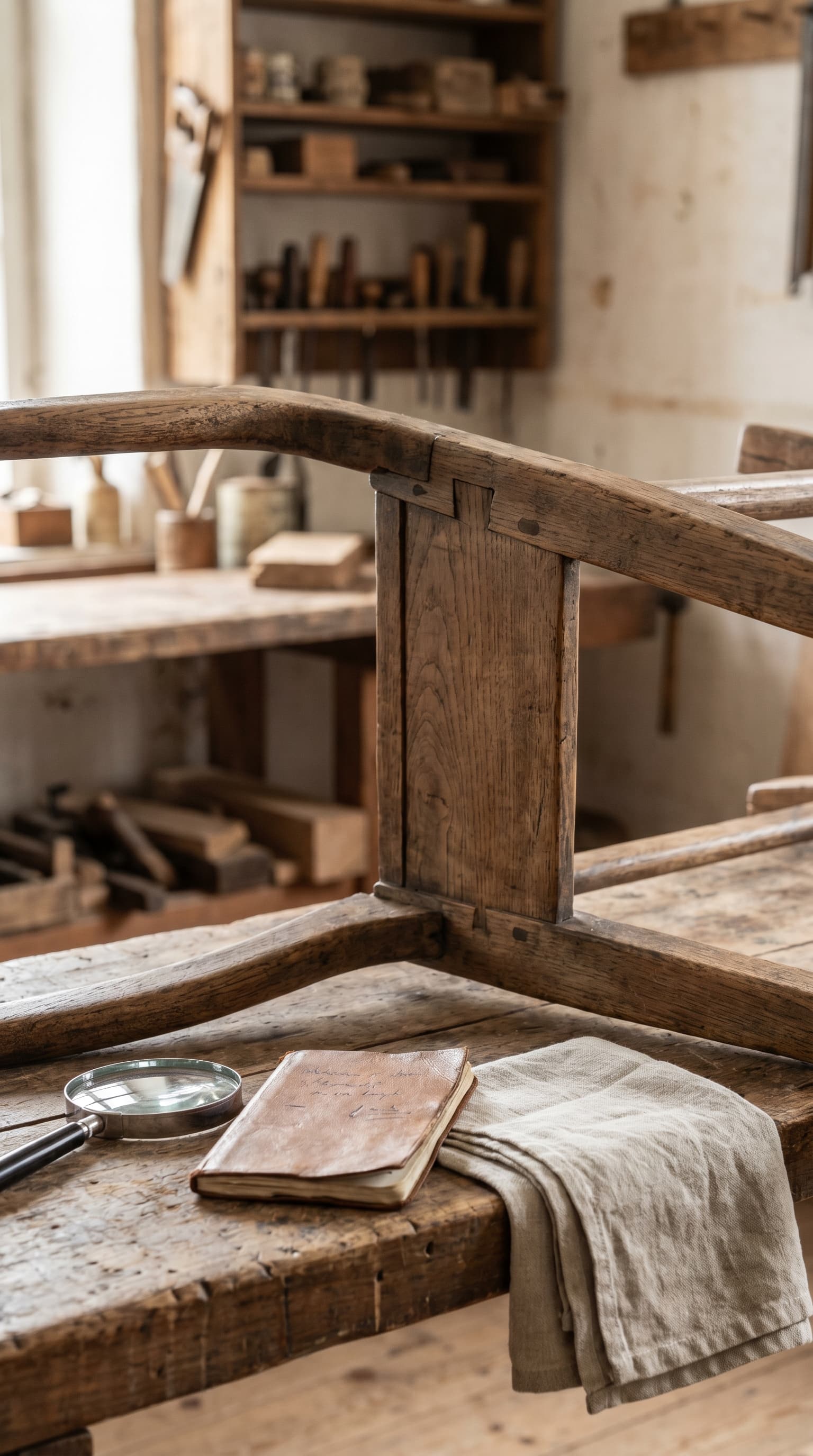
The Moment Before You Buy
You've found a promising piece at an estate sale, antique mall, or online marketplace. The seller is waiting for your answer. Before you commit, there are specific things you need to know before you buy antique furniture—practical knowledge that can mean the difference between a smart purchase and an expensive lesson.
This isn't about becoming an expert overnight. It's about knowing what to check quickly, what deserves more research, and how to make confident decisions when the clock is ticking.
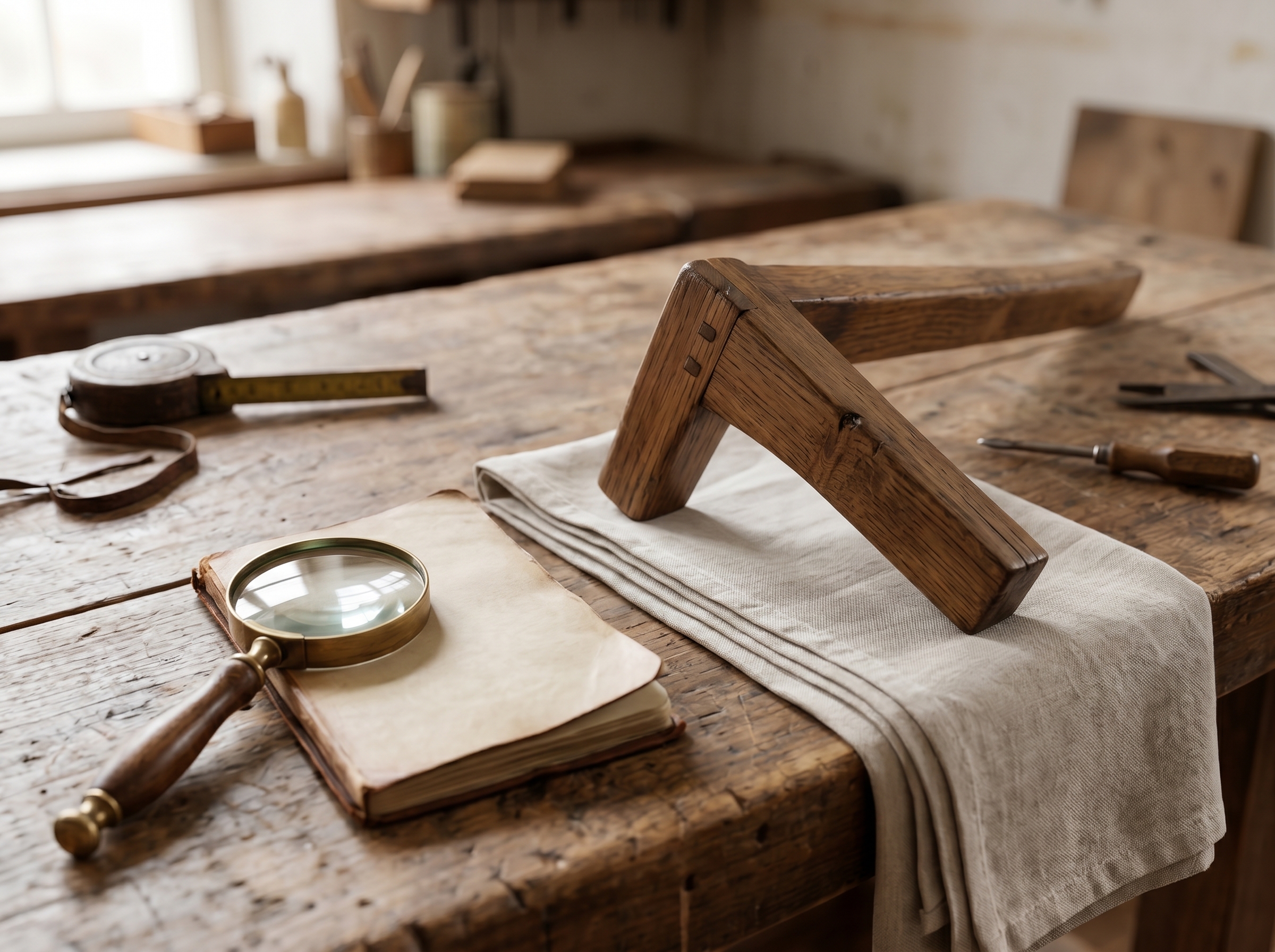
Quick Checks You Can Do On the Spot
When you're standing in front of a piece—or reviewing photos online—these fast assessments help you decide whether to walk away or dig deeper.
Structural Soundness First
Before anything else, check if the piece actually works as furniture. Rock it gently to test for wobbles. Open and close drawers. Sit in chairs carefully. Run your hand along surfaces to feel for loose veneer or split wood.
Structural problems aren't always deal-breakers, but you need to know about them before negotiating price. A wobbly leg might be a simple glue repair. A split seat rail could mean serious restoration costs.
Signs of Significant Damage
Look for:
- •Active wood damage: Powdery residue or fresh holes suggest active insects
- •Water damage: Dark stains, warping, or lifting veneer from moisture exposure
- •Missing elements: Original hardware, decorative carvings, or structural pieces that affect value
- •Amateur repairs: Mismatched screws, obvious glue drips, or parts that don't fit properly
These issues aren't necessarily reasons to pass, but they dramatically affect what you should pay.
The Finish Question
Original finish often adds significant value to antique furniture. But determining whether a finish is original, professionally restored, or badly refinished requires some knowledge.
Look for buildup in carvings and corners where old finish naturally accumulates. Check for even wear patterns that match how the piece would have been used. Be suspicious of too-perfect, evenly applied finishes on pieces claiming to be 100+ years old.
A piece with compromised but original finish often has more value potential than one that's been stripped and poorly refinished.
What Deserves Your Research Time
Some questions can't be answered in five minutes. These aspects are worth investigating before you buy, especially if the price is substantial.
Period vs. Style vs. Reproduction
"Victorian" can mean made in 1880, made in 1920 in Victorian style, or made last year to look Victorian. The price difference is enormous.
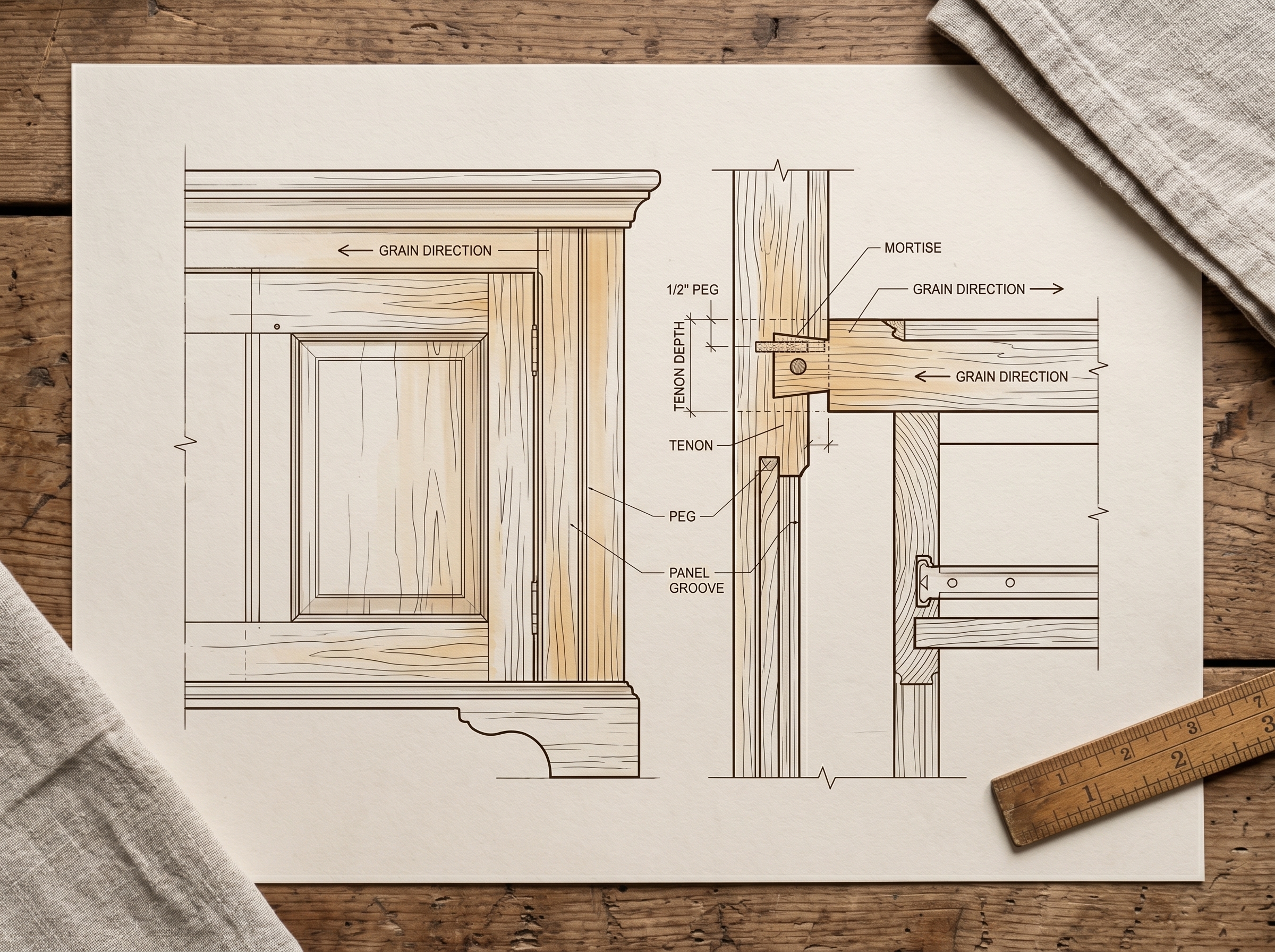
Identifying authentic furniture takes practice, but you can learn to spot key indicators. Look at joinery methods—hand-cut dovetails suggest earlier manufacture than machine-cut ones. Check saw marks on unfinished surfaces. Examine how hardware is attached.
Taking clear photos of construction details helps you research later or consult with knowledgeable collectors. Focus on drawer interiors, underside construction, back panels, and any visible joinery.
Maker Marks and Provenance
Signed or labeled pieces command premium prices—when the maker is desirable. A maker's mark from a renowned cabinetmaker is valuable. A label from a regional furniture company might add interest but not significant money.
Before assuming a mark means big value, research that specific maker. Some Victorian furniture companies produced thousands of pieces. Others were small, prestigious workshops. The difference matters.
Provenance (ownership history) adds value when documented and interesting. Family stories are charming but don't substitute for verification when making purchasing decisions.
Understanding Market Value Before Making an Offer
What similar pieces actually sell for—not list for—tells you whether a price is reasonable. This is where many buyers struggle without spending hours scrolling through auction results.
Knowing current market ranges helps you negotiate confidently and avoid overpaying for pieces that are common despite looking impressive. It also helps you recognize genuine bargains when condition and rarity align.
When you need a quick value estimate, Tocuro can analyze your photos and provide estimated value ranges based on current market signals. You get 7 free identifications per day, with the count resetting daily—useful when you're shopping actively and comparing multiple pieces. These estimated values aren't formal appraisals, but they give you working knowledge fast when you're trying to decide whether to buy.
How This Knowledge Fits Into Your Buying Workflow
Successful antique furniture buyers develop a practical approach that balances speed with thoroughness.
At first contact (whether at a shop or seeing an online listing), do your quick structural and damage checks. If it passes this initial screening, that's when you invest time in deeper research.
Before making an offer, you want to know three things: what it actually is (period, style, maker if marked), what condition issues exist and their repair costs, and what comparable pieces sell for currently.
You don't need to become an expert on every furniture style and period. You need enough knowledge about the specific piece in front of you to make a smart decision about that purchase.
Antique furniture research becomes easier as you develop a system. Take consistent photos of key details. Keep notes on what you learn about different makers and styles. Build a reference file of prices for types of furniture you collect.
Many collectors find that photographing pieces they're considering—even if they decide not to buy—builds their visual library and makes them better at quick assessments over time.
Making Confident Decisions
What you need to know before buying antique furniture ultimately depends on the specific piece, the price, and your goals. A $200 pine blanket chest requires different due diligence than a $2,000 signed Victorian sideboard.
But the framework stays consistent: check condition first, research authenticity and period, understand current value, then decide. This approach helps whether you're furnishing your home, beginning a collection, or looking for pieces to resell.
When you've developed this systematic approach, shopping becomes less stressful and more strategic. You'll walk away from problem pieces without regret and move quickly on genuine opportunities.
Ready to research a piece you're considering? Upload photos to Tocuro to get identification and value estimates based on current market data. It's the fastest way to get the information you need to make smart buying decisions right now.
Photo identification
Identify Your Furniture
Use Tocuro to identify your item from a photo and get an estimated value range when market data is available.