
Antique Furniture Research: What to Check Before You Buy
Smart antique furniture research before purchase means checking construction details, maker's marks, condition red flags, and market comparables—all achievable with targeted photos and basic knowledge.
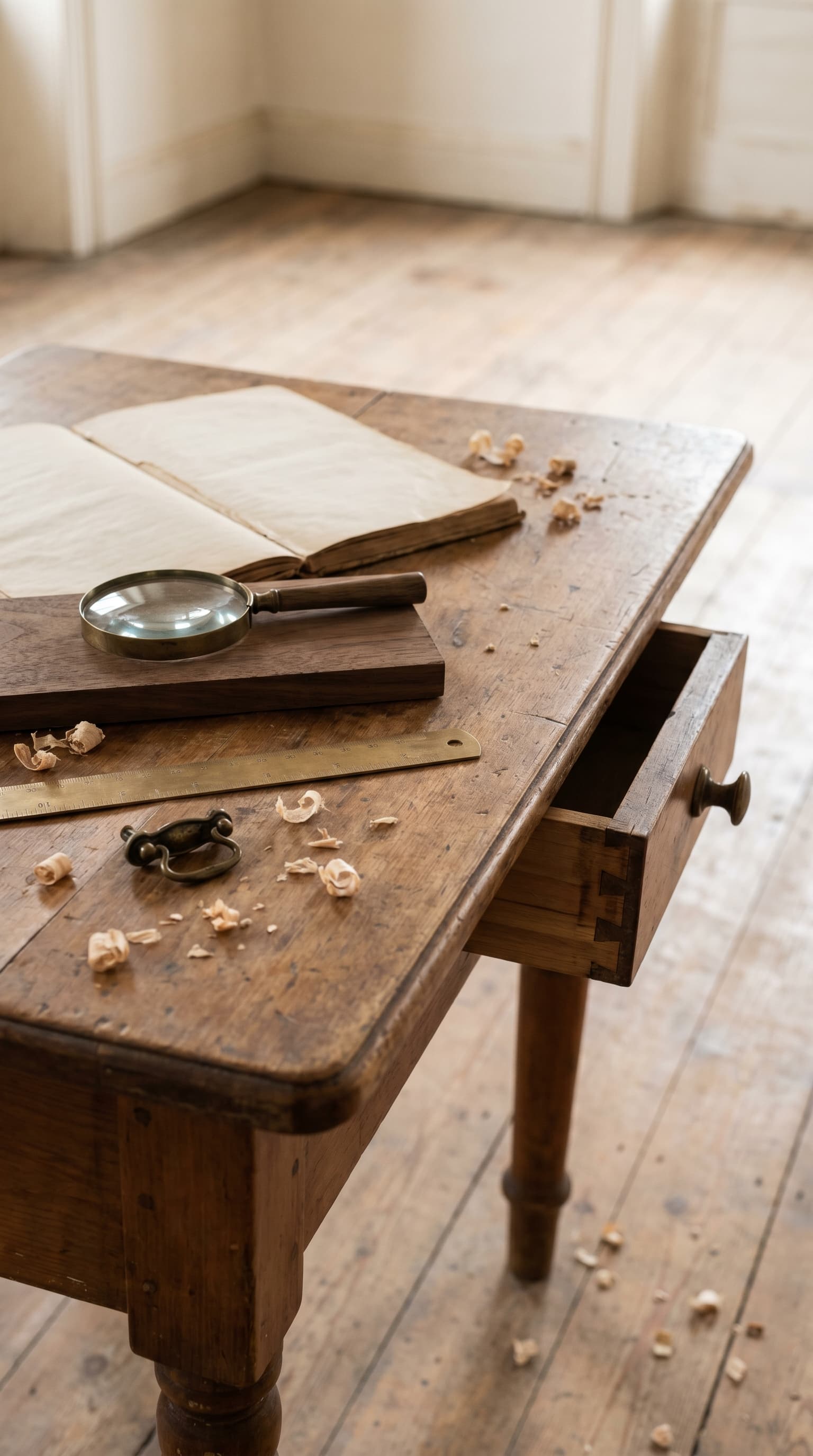
The Pre-Purchase Moment
You've found a piece. The finish glows, the proportions feel right, and the seller says it's "definitely antique." You're ready to pull the trigger—but not quite sure how to verify anything in the fifteen minutes before another buyer shows up.
Effective antique furniture research doesn't mean spending days in archives. It means knowing which details matter most, capturing them quickly, and getting solid answers before you commit your money. Whether you're at an estate sale, auction preview, or dealer's booth, the right research approach protects you from overpaying for reproductions, buying structural problems, or missing genuine bargains.
Fast Checks That Actually Matter
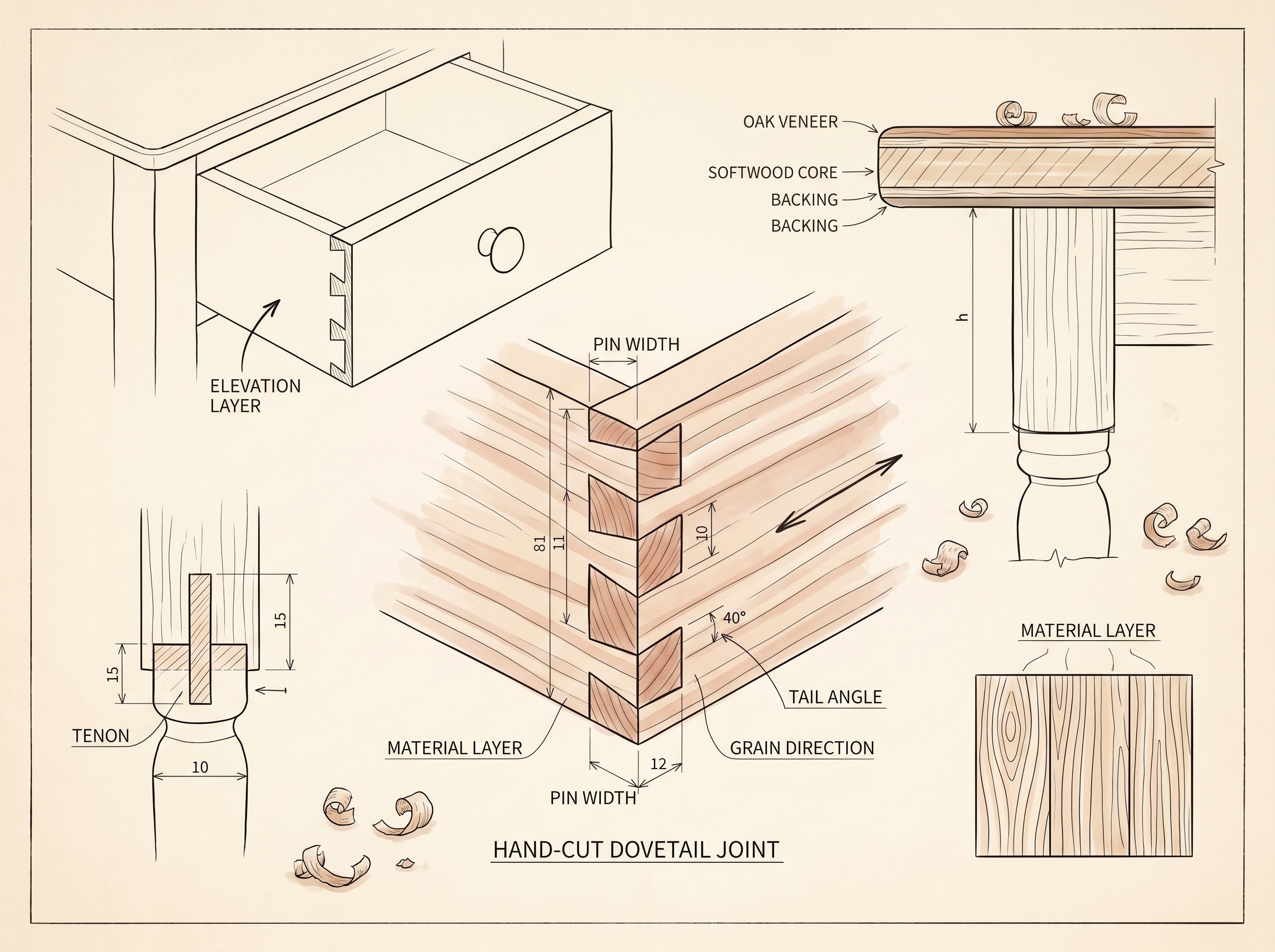
Start with construction details that reveal age. Flip the piece over or pull out drawers—look for hand-cut dovetails (irregular spacing, slightly different angles), saw marks that show circular or straight patterns, and wood surfaces on backs and bottoms that feel rough or unfinished. Machine-cut dovetails with perfect spacing typically date after 1860. Circular saw marks indicate post-1830s construction, while straight pit-saw marks suggest earlier work.
Check how boards are attached. Screws with off-center slots and irregular threads point to hand-made hardware before roughly 1850. Perfectly uniform screws with centered slots are machine-made and later. Square-headed nails suggest pre-1900 construction, while round wire nails became standard after that.
Examine wood species and secondary woods. Primary surfaces might be mahogany or walnut, but drawer sides and backs often used cheaper local woods like poplar, pine, or oak. Consistent wood throughout the entire piece—especially in hidden areas—can indicate reproduction furniture made for efficiency rather than cost savings.
Look for maker's marks, labels, or stamps inside drawers, on back panels, or under tops. Many American furniture makers from the 1800s onward stamped or stenciled their names. Even partial labels help narrow origin and period. Photograph anything you find, even if it's faded or incomplete.
Research Worth Your Time Before Buying
Age verification
Once you've spotted construction clues, cross-reference them with the piece's style. A chest with Queen Anne-style cabriole legs but machine-cut dovetails is either a later revival piece or a reproduction. That doesn't make it worthless, but it should affect your price limit. Compare what you're seeing against documented examples—auction archives, museum databases, and dealer listings show how authentic period pieces actually look.
Market value research
Price guidance matters most right before purchase. Search completed auction results for similar pieces—same form, period, condition, and region of origin. Recent sales data beats asking prices because it shows what buyers actually paid. Regional differences are significant: a Pennsylvania German schrank commands different prices in Philadelphia versus Phoenix.
Antique Furniture Valuation: How to Get a Realistic Price Range Fast explains how market signals work and which comparables count most.
Condition and restoration flags
Original finish, hardware, and structure affect value dramatically. Check if drawer pulls match surrounding wood color underneath—replacements leave different aging patterns. Look for finish inconsistencies that suggest stripping and refinishing. Test joints gently for looseness or movement. Repairs aren't deal-breakers, but you should know about them before negotiating price.
Wood that feels too smooth everywhere, even in wear zones, often indicates heavy refinishing. Original surfaces show uneven wear—table edges rounded by hands, drawer fronts lighter where they've been touched, feet worn on forward edges from decades of contact.
Origin and authenticity
Provenances help, but aren't required. A piece from a documented estate or collection carries more confidence than something with no history. Still, construction and materials tell the truth more reliably than stories. Marriages—tops from one piece joined to bases from another—happen frequently with case furniture. Check if wood species, finish color, and construction methods match between sections.
Reproductions from the Colonial Revival period (1876–1940s) can be excellent quality and legitimately old, but they're not the 18th-century originals they copy. Know which you're buying.
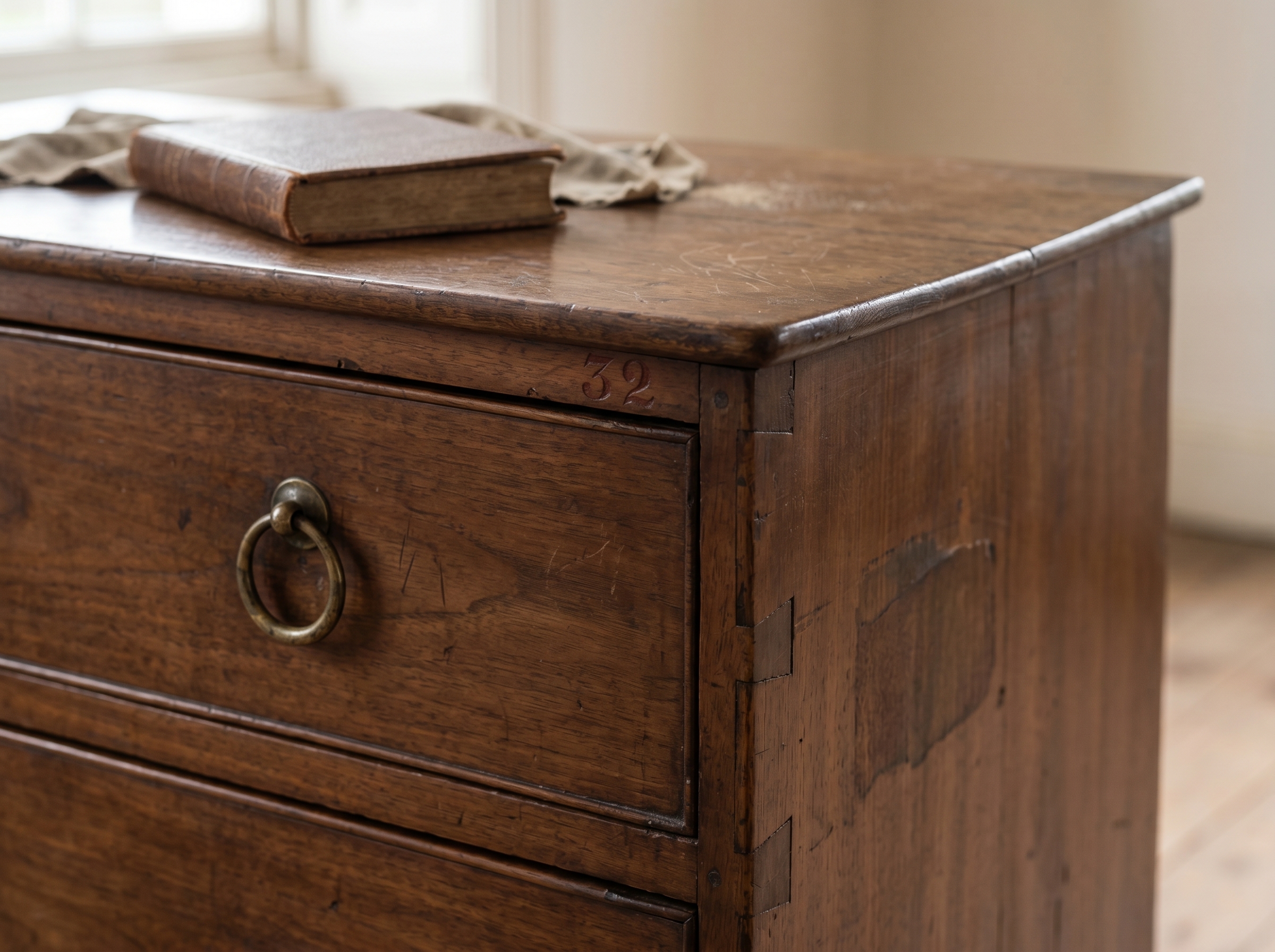
Photo-Based Research in Your Pocket
You can't carry reference libraries to estate sales, but you can photograph details and get fast answers. Tocuro identifies furniture from photos and provides estimated value ranges based on current market signals. Snap clear shots of the overall piece, joinery details, any marks or labels, hardware close-ups, and wood grain on secondary surfaces.
The tool analyzes construction features, style elements, and condition indicators to narrow the period and origin. You get 7 free identifications per day, and the count resets daily—enough for multiple pieces during a shopping trip without commitment.
Free Antique Identification App: Get Answers From Photos in Minutes walks through which photos work best.
Value estimates aren't formal appraisals, but they give you realistic price ranges from actual market data. That's exactly what you need when deciding whether a $400 desk is a steal or overpriced. If you're researching multiple pieces or diving deeper into collecting, higher-volume usage requires payment, but the free daily allowance handles most pre-purchase situations.
Moving From Research to Purchase
Good research means you walk away from wrong pieces confidently and commit to right ones without hesitation. Once you've verified age through construction, confirmed style consistency, checked market pricing, and assessed condition honestly, you can make smart offers.
Negotiate based on facts. If you found replaced hardware, significant repairs, or period inconsistencies, use them as pricing levers. If everything checks out and comparable sales support the asking price, you know you're buying fairly.
Don't skip research because a piece "looks old" or the seller seems knowledgeable. The best antique furniture purchases come from verification, not trust. The worst purchases come from hurrying past details that would have changed your decision.
Start Your Research Now
Next time you're facing a potential purchase, photograph the piece thoroughly and run it through identification. You'll get clarity on age, style, and value range before you commit.
Identify Your Item and research smarter before your next antique furniture purchase.
Photo identification
Identify Your Furniture
Use Tocuro to identify your item from a photo and get an estimated value range when market data is available.