
How to Tell If Furniture Is Authentic: What Photos Reveal About Reproductions
Distinguishing authentic period furniture from reproductions requires knowing what clues photos reveal. Learn which details betray modern copies, what images to capture, and how to avoid common authentication mistakes.
What Clues Matter When Identifying Authentic Furniture
Identifying authentic furniture starts with understanding what modern manufacturers struggle to replicate convincingly. Authentic period pieces carry construction details, wear patterns, and material characteristics that developed over decades or centuries—not in a factory production run.
Construction Methods
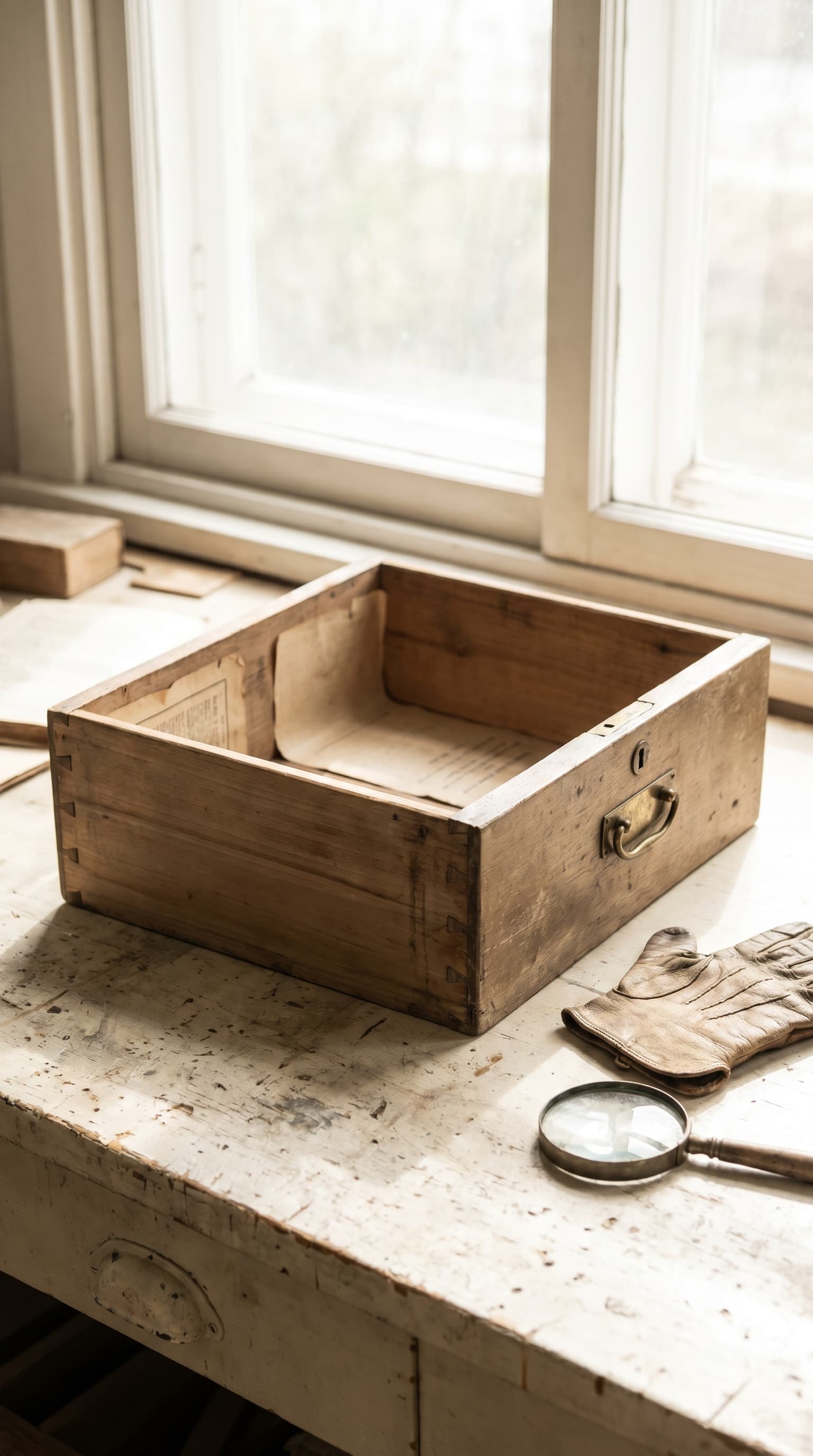
Joinery tells the biggest story. Hand-cut dovetails show slight irregularities in spacing and angle. Machine-cut dovetails from the late 19th century onward display uniform precision. Pre-1860s pieces often feature mortise-and-tenon joints secured with wooden pegs, while reproductions typically use modern wood glue and screws hidden under filler.
Plane marks on unexposed surfaces indicate hand-tooling. Circular saw marks didn't appear until the mid-1800s, and their blade pattern differs from modern saws. Authentic pieces often show different tool marks on different boards, reflecting wood prepared over time rather than milled in a single batch.
Hardware and Fasteners
Original hardware ages differently than reproduction pieces. Screws tell a clear timeline: hand-filed screws (pre-1820s) have off-center slots and irregular threads. Machine-cut screws (1820s-1850s) show blunt ends. Modern screws have sharp points and perfectly centered slots.
Brass pulls, hinges, and escutcheons develop patina in recessed areas that's nearly impossible to fake convincingly. Reproduction hardware often shows artificial aging that's too uniform or chemical patina that lacks depth.
Wood and Finish
Authentic pieces use wood species common to their origin period and region. American furniture from the 1700s-1800s typically features primary woods like walnut, cherry, or mahogany with secondary woods (drawer sides, backs) in pine, poplar, or oak. Reproductions sometimes mix inappropriate species or use veneer over plywood—a dead giveaway for anything claiming pre-1900 construction.
Original finishes show genuine wear in logical high-contact areas: chair arms, drawer fronts, table edges. Reproduction "distressing" often appears random or follows decorating trends rather than actual use patterns.
Wear Patterns
Authentic furniture wears where hands, bodies, and cleaning tools made contact over generations. Drawer runners show grooves from friction. Chair stretchers thin where feet rested. Table legs show scuffs at vacuum-height.
Reproductions often lack wear in low-visibility areas while showing exaggerated distress on visible surfaces—exactly backward from authentic use.
What Photos to Take for Authenticating Furniture
Effective authentication from photos requires capturing details that reproductions get wrong.
Joinery and Construction Details
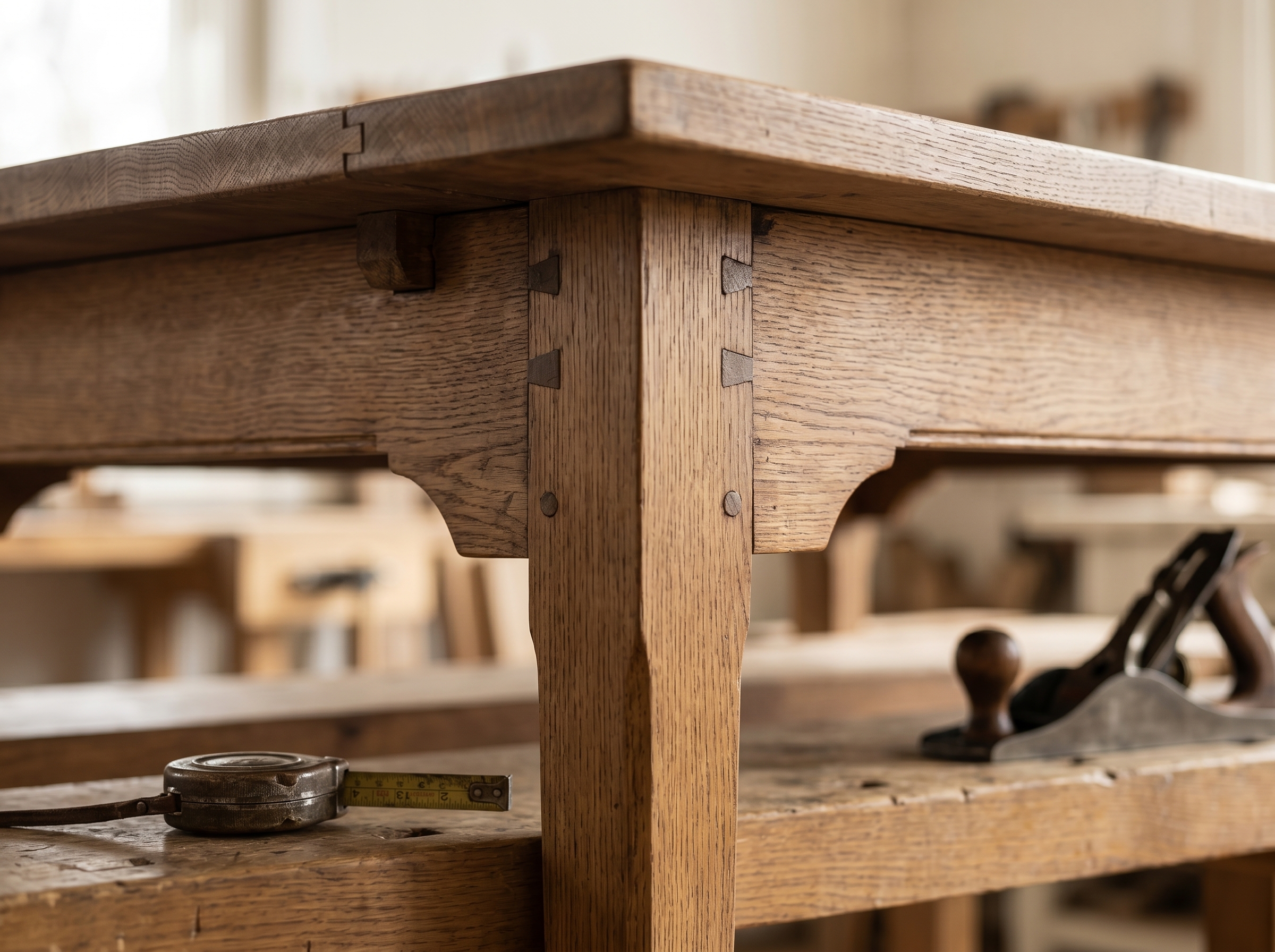
Photograph dovetails at drawer corners with enough resolution to show individual cut marks. Capture the underside of drawers showing both joinery and tool marks on unfinished surfaces. These areas reveal construction truth because forgers rarely invest effort where buyers don't usually look.
Shoot mortise-and-tenon joints where visible, especially on chairs. Include close-ups of any wooden pegs or fasteners.
Hardware Close-Ups
Capture screw heads showing slot alignment and thread patterns. Photograph brass pulls from angles that reveal patina depth and casting quality. Include any maker's marks, numbers, or stamps on hardware—authentic period hardware sometimes carries manufacturer marks that help date pieces.
Show how hardware attaches from behind. Reproduction pieces often use modern mounting methods that differ from period-correct installation.
Wood Grain and Secondary Surfaces
Photograph the back panels, drawer bottoms, and interior surfaces. These "secondary" areas show authentic wood aging, tool marks, and construction shortcuts that period craftsmen used where appearance didn't matter.
Capture end grain where visible—it reveals wood species and cutting methods. Show any areas where veneer meets solid wood, as the transition reveals construction technique.
Wear and Finish
Document wear patterns with directional lighting that emphasizes texture. Photograph finish crazing, checking, and patina at various angles. Include high-contact areas like drawer pulls, chair arms, and table edges alongside low-contact surfaces for comparison.
Capture any repairs, replaced parts, or inconsistencies. Authentic pieces often show period-appropriate repairs that differ from modern restoration work.
Common Misidentifications When Authenticating Furniture
"Distressed" Finishes Mistaken for Age
Modern reproduction furniture often features intentional distressing—random dents, scratches, and worn edges meant to suggest age. This decorative aging rarely matches authentic wear patterns. Real antique furniture shows concentrated wear where people actually touched it: drawer fronts polished smooth from hands, chair arms worn thin, feet scuffed from decades of cleaning.
The giveaway: reproduction distressing appears on flat surfaces and decorative elements that wouldn't receive wear, while authentic pieces show the heaviest wear on functional contact points.
Machine Dovetails Assumed to Mean Fake
Many buyers assume machine-cut dovetails automatically indicate reproduction furniture. In reality, machine dovetailing appeared in the 1870s and became standard by the 1890s. A piece with uniform machine dovetails could be a genuine 120-year-old Victorian dresser, not a modern copy.
The key distinction: late 19th-century machine dovetails still appear on furniture built with period-appropriate wood, hand-planed surfaces, and authentic hardware. Modern reproductions combine machine dovetails with plywood, router marks, and contemporary fasteners.
Colonial-Style Confused with Colonial-Period
Colonial Revival furniture from the 1920s-1940s mimics 18th-century American styles but uses 20th-century construction. These pieces have legitimate age and collectibility but aren't Colonial period. The confusion often involves chairs, highboys, and dining tables in Queen Anne or Chippendale styles.
Authentic 18th-century pieces show hand-forged nails, hand-planed boards of varying thickness, and joinery methods that predate factory production. Colonial Revival pieces use machine-milled lumber, modern screws, and standardized dimensions despite period styling.
Reproduction Marks Mistaken for Authenticity
Some reproductions carry stamps, labels, or marks designed to look period-appropriate. "Aged" paper labels, distressed maker's marks, and artificially patinated metal tags can mislead buyers unfamiliar with authentic marking practices.
Genuine period marks show aging consistent with the piece itself—faded ink, yellowed paper, oxidized metal. Reproduction marks often look too crisp or show artificial aging that doesn't match the furniture's supposed age.
What Tocuro Helps Resolve in Furniture Authentication
When you're trying to determine if a piece is authentic period furniture or a reproduction, analyzing construction details, hardware, and wear patterns requires specialized knowledge that takes years to develop. Tocuro bridges that gap by identifying furniture from photos and providing authentication insights based on the visual evidence you capture.
The platform examines the joinery, hardware, wood characteristics, and wear patterns visible in your photos, comparing them against known markers of authentic period construction versus reproduction techniques. This helps you spot warning signs like inappropriate fasteners, inconsistent aging, or construction methods that don't match the claimed age.
Tocuro also provides estimated value ranges based on current market signals, which can flag potential authentication issues—if a piece claiming to be a rare 18th-century original is priced like a reproduction, that's information worth noting before you buy.
For pieces where authentication requires more than visual analysis, Tocuro's assessment helps you understand what additional research or expert examination might be worthwhile. Not every authentication question resolves from photos alone, but knowing which details raise concerns saves time and money before you commit to a purchase.
Start Authenticating Your Furniture Finds
Before you buy that "authentic Colonial" dresser or "genuine Victorian" chair, take the photos that reveal what's really there. Capture the joinery, hardware, wood surfaces, and wear patterns that distinguish authentic period pieces from reproductions.
Upload your furniture photos to Tocuro and get authentication insights that help you buy with confidence. You get 7 free identifications per day, resetting every 24 hours—enough to check that estate sale find, auction lot, or online listing before you make a decision.
Authenticity matters when you're paying period prices. Make sure you know what you're actually buying.
Photo identification
Identify Your Furniture
Use Tocuro to identify your item from a photo and get an estimated value range when market data is available.