
How to Identify Vintage Decor from Photos: Clues Beyond the Furniture
Vintage decor identification requires careful photography of maker marks, materials, and construction details. Learn which clues matter most for lamps, mirrors, wall art, ceramics, and other decorative objects—and how Tocuro's photo identification tool streamlines the process.
How to Identify Vintage Decor from Photos: Clues Beyond the Furniture
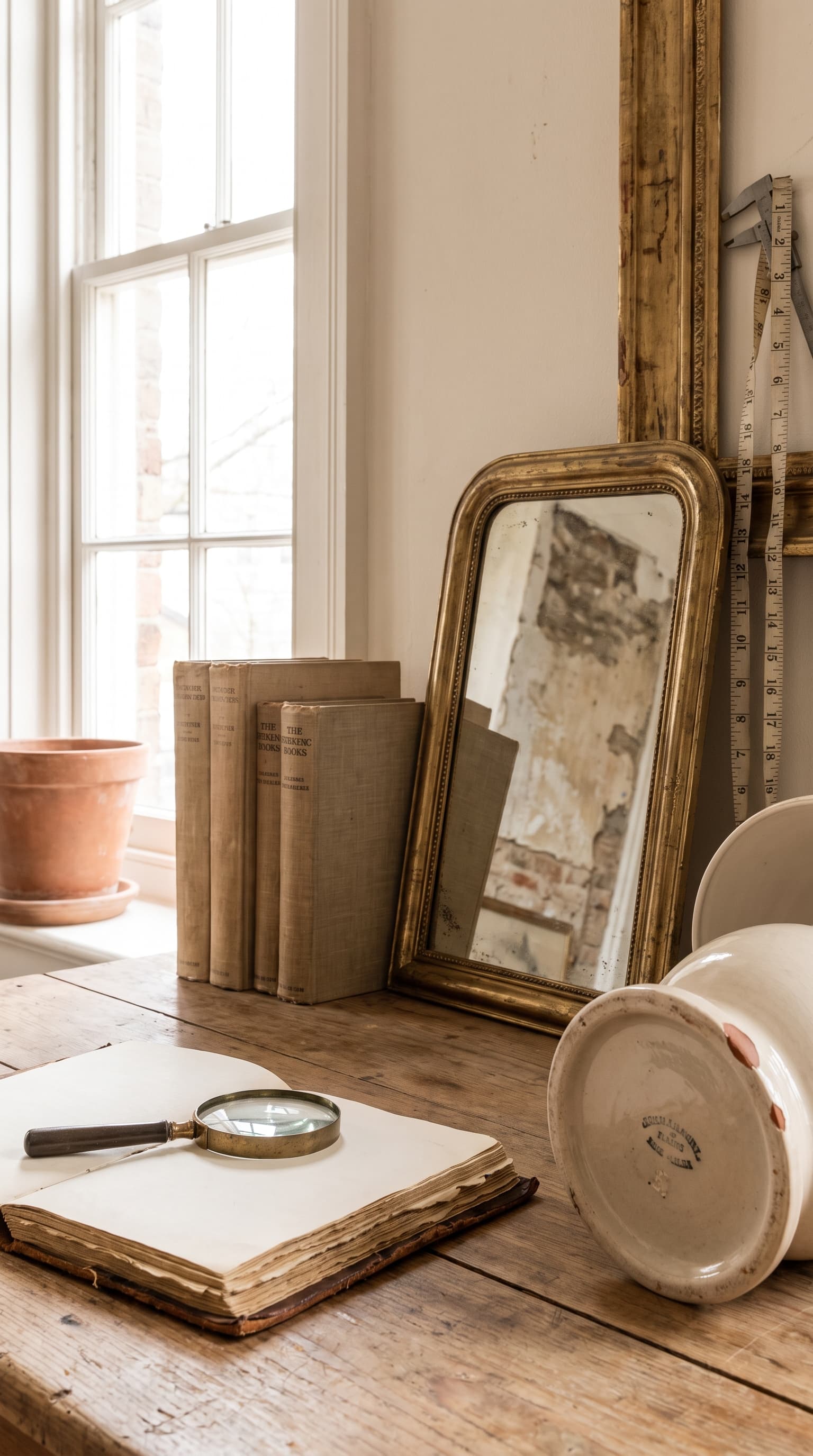
That brass lamp from your grandmother's house, the carved mirror frame in the attic, or the pottery vase at the estate sale—vintage decor fills homes with character, but identifying the maker, age, and origin can feel like detective work. Unlike furniture, which often has visible joinery and hardware, decorative objects rely on different clues: hidden stamps, material composition, glaze techniques, and stylistic flourishes that shift dramatically decade to decade.
Identifying vintage decor from photos means knowing exactly where to look and how to capture the details that matter. Here's what works.
What Clues Matter When You Identify Vintage Decor
Vintage decor spans an enormous range—table lamps, wall sconces, mirrors, picture frames, ceramics, glassware, clocks, bookends, ashtrays, candlesticks. Each category has its own identification markers, but several clues apply across the board.
Maker marks and stamps are the gold standard. Check bottoms, backs, and bases for impressed marks, foil labels, incised signatures, or stamped logos. Pottery and ceramics often carry marks that pinpoint maker and production period. Lamp bases hide paper labels or metal tags. Even mass-produced mid-century pieces sometimes carry manufacturer stamps that narrow the date range considerably.
Materials tell age stories. Bakelite, celluloid, and early plastics date objects to specific eras. Brass patina, hand-blown glass bubbles, and clay body color all communicate production methods tied to time periods. A lamp with an early plastic switch housing probably predates 1950; modern reproductions use different polymers. Hand-painted versus transfer-printed ceramics point to different manufacturing scales and eras.
Construction methods matter as much as aesthetics. How is the lamp wired? Cloth-covered cord suggests pre-1960s production. Are mirror edges beveled by hand or machine? Is the pottery wheel-thrown or slip-cast? These aren't always visible in casual photos, but close-ups reveal them.
Style and design vocabulary shift fast. Art Deco curves, atomic-era starbursts, '70s earth tones—decorative objects changed aesthetics faster than furniture did. But style alone doesn't confirm age; reproductions mimic every era. Combine style clues with material evidence.
What Photos to Take for Accurate Identification
Decor objects hide their secrets in small spaces. Your photo strategy should expose every potential clue.
Start with the maker mark. Flip the object over, check the back, examine the base. Use good light—natural daylight or a bright LED—and get close enough that any text, numbers, or symbols fill the frame. If the mark is faint or worn, try angling the light to create shadow contrast. A blurry mark photo is the single biggest obstacle to fast identification.
Capture the overall shape and proportions. Take a full-object shot from straight on, with minimal background clutter. This establishes form, scale, and stylistic category—essential for distinguishing a 1920s boudoir lamp from a 1950s TV lamp, even when both use similar materials.
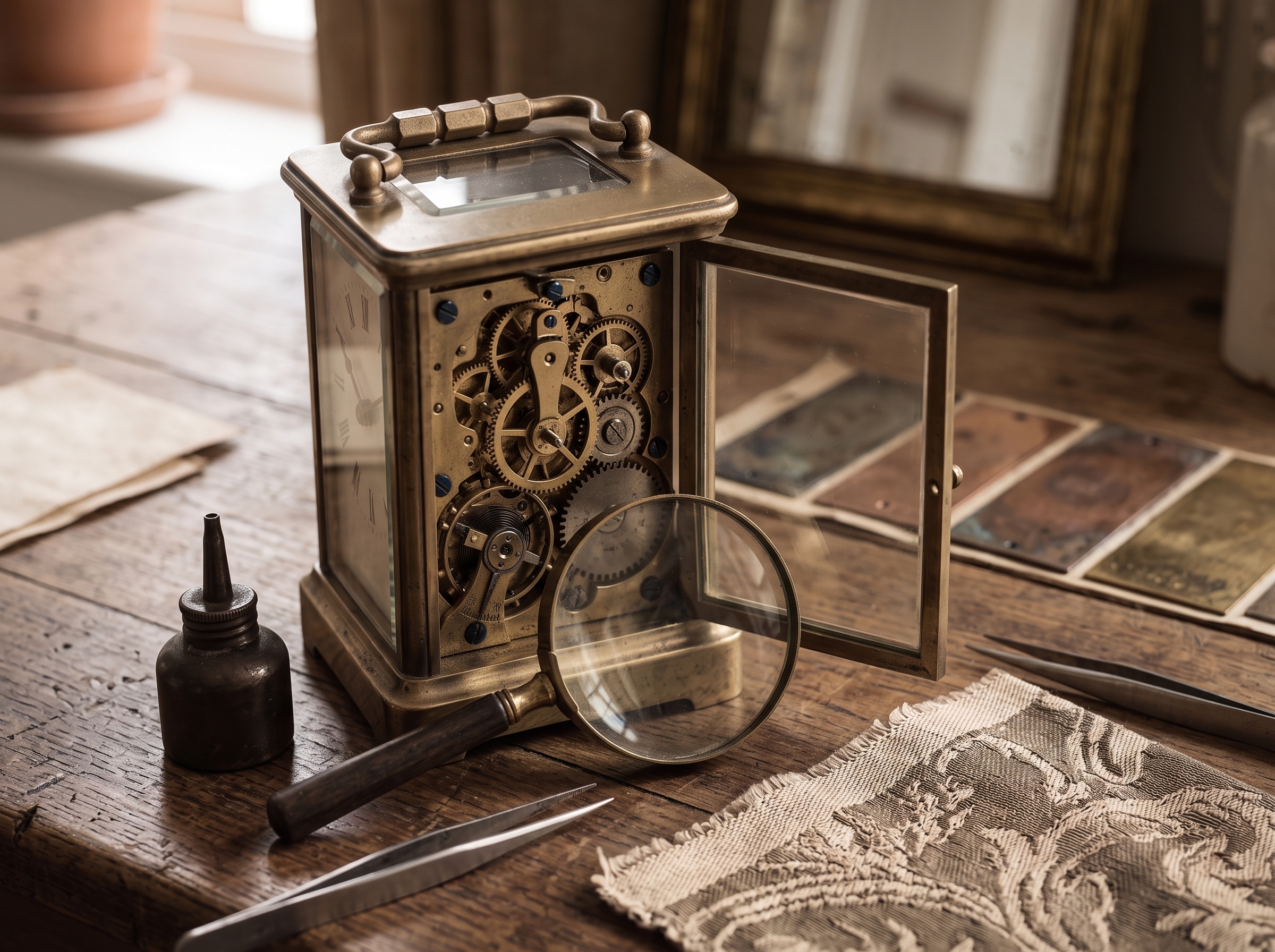
Document materials and surface details. Photograph glaze texture, paint application, metal patina, glass color and clarity. If there's hand-painting, show brush strokes. If there's wear, capture it—authentic age wear differs from artificial distressing. These micro-details confirm or contradict other clues.
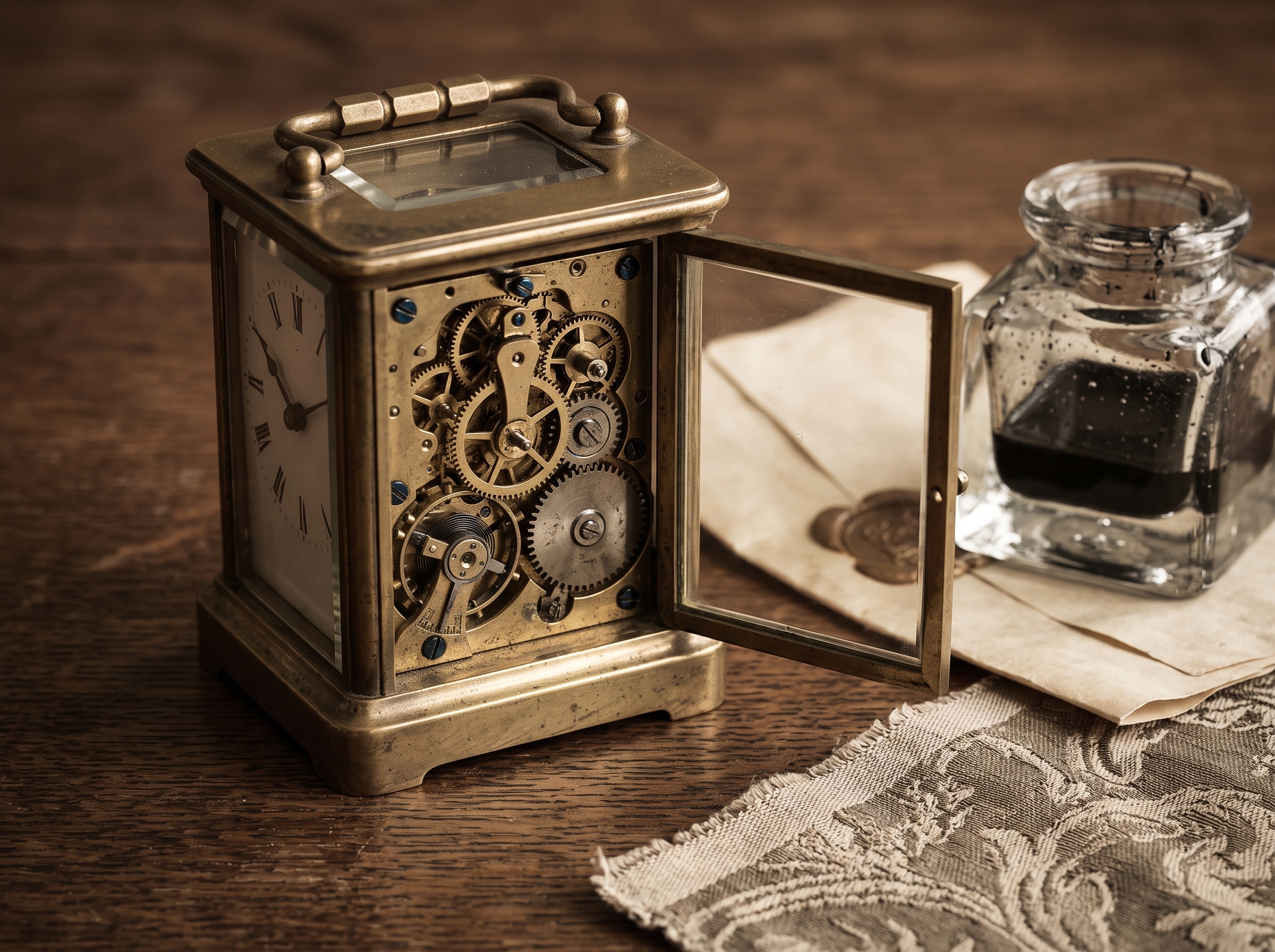
Show hardware and functional parts. Lamp sockets, switches, mirror hangers, clock movements, vase interiors—these components often reveal more about production date than decorative elements do. A porcelain lamp with original brass fittings and cloth cord is a different animal than the same lamp body rewired with modern parts.
Include scale reference when size matters. A ceramic vase might be a miniature collectible or a large floor piece. A coin, ruler, or common object in frame helps viewers gauge dimensions, which sometimes determines maker or product line.
Common Misidentifications in Vintage Decor
Decor objects generate more wishful thinking than almost any other category. Here's where people go wrong.
Confusing style with age. Reproduction Art Nouveau lamps flooded the market in the 1960s and again in the 1990s. Tiffany-style doesn't mean Tiffany Studios. Victorian-looking doesn't mean Victorian-made. Always verify with material and construction evidence, not just aesthetic cues.
Assuming hand-painted means old. Hand-painted ceramics and glass have been mass-produced for over a century. Quality varies, but brushwork alone doesn't confirm age or value. Check for maker marks and clay or glass composition.
Overlooking reproduction marks. Many mid-century reproductions of earlier styles carry small marks indicating reproduction status—but those marks hide in hard-to-see spots. A "Tiffany" lamp with a tiny "Made in China" stamp changes the conversation entirely.
Misreading damage as authenticity. Crazing in glaze, tarnish on brass, and patina on wood can all be faked. Real age wear follows use patterns; artificial aging often looks too uniform. Compare wear locations against how the object would actually have been handled.
Ignoring context clues in mixed-material pieces. A vintage ceramic base with a reproduction shade, or an old mirror frame with new glass—these hybrids are common. Each component needs separate evaluation. The most valuable part isn't always the most visible.
What Tocuro Can Help Resolve
Identifying vintage decor often means cross-referencing marks databases, period catalogs, collector forums, and auction records—research that can take hours for a single piece.
Tocuro streamlines this by analyzing your photos and comparing them against market signals and identification data. Upload clear shots of your maker marks, overall object, and detail areas. The tool returns maker information, likely production period, and an estimated value range based on current market activity. That estimate isn't a formal appraisal, but it gives you a realistic starting point grounded in actual sales data.
Because decorative objects span so many categories—from china patterns to art pottery to lighting—having a tool that recognizes diverse marks and styles saves you from searching a dozen specialized resources. You get 7 free identifications per day, and that count resets daily, so you can work through a collection systematically.
For items without clear marks, Tocuro's recognition can still narrow possibilities by style, material, and form—giving you better search terms for deeper research or helping you decide whether an object warrants expert consultation.
Ready to Identify Your Vintage Decor?
That mystery lamp, unsigned pottery piece, or inherited mirror frame doesn't have to stay a mystery. Clear photos of the right details unlock identification fast. Identify your item now and get maker details and market-based value estimates in minutes, not days of searching.
Whether you're clearing an estate, building a collection, or just curious about the pieces you live with, knowing what you have changes how you value it—and what you do with it next.
Photo identification
Identify Your Item
Use Tocuro to identify your item from a photo and get an estimated value range when market data is available.