
How Tocuro Works: Photo-Based Identification and Value Estimates for Antiques and Collectibles
Tocuro uses your photos to identify antiques, vintage objects, and collectibles, then delivers estimated value ranges drawn from market signals. You get seven free identifications every day, with the count resetting at midnight. The tool works best with clear, well-lit images showing construction details, marks, and wear patterns—and it's built for everyday collectors, not formal appraisals.
How Tocuro Works: Photo-Based Identification and Value Estimates for Antiques and Collectibles
You found something interesting at an estate sale, in your attic, or tucked behind furniture in a thrift shop. Now you want to know what it is, where it came from, and what it might be worth. Traditional routes—consulting auction houses, hiring certified appraisers, or sifting through reference books—take time and often cost money before you even know if the piece is worth pursuing.
Tocuro sidesteps that friction. You snap a few photos, upload them, and receive an identification plus an estimated value range drawn from recent market activity. The entire process happens in minutes, not days, and you don't need to become an expert in makers' marks, period construction, or regional styles to get started.
What Tocuro Does
Tocuro is a photo-based identification and value-estimation tool built for collectors, pickers, inheritors, and anyone curious about older objects. You upload images of an item—furniture, ceramics, metalware, glassware, jewelry, clocks, sculpture, vintage advertising, or nearly any category of antique or collectible. Tocuro analyzes the visual information: construction methods, materials, finishes, proportions, hardware, wear patterns, and any visible marks or labels.
From that analysis, the tool identifies what you have: style, likely period, material, and sometimes maker or manufacturer. Then it pulls market signals—recent auction results, dealer listings, and comparable sales—to generate an estimated value range. That range reflects what similar pieces have sold for in the current market, not a formal appraisal or insurance replacement value.
The tool is designed to work across categories. One day you might photograph a brass candlestick, the next a vintage desk or a bronze sculpture. Tocuro doesn't limit you to a single niche.
What You Get Free
Tocuro gives you seven free identifications per day. That count resets daily at midnight, so you can come back tomorrow with a fresh batch. The free tier is generous enough to handle regular curiosity—a handful of estate-sale finds, a few inherited pieces, or objects you're decluttering and want to evaluate before discarding.
Each identification includes:
- •Item name and category: What the object is and its general type
- •Style and period: Design tradition, likely era of manufacture
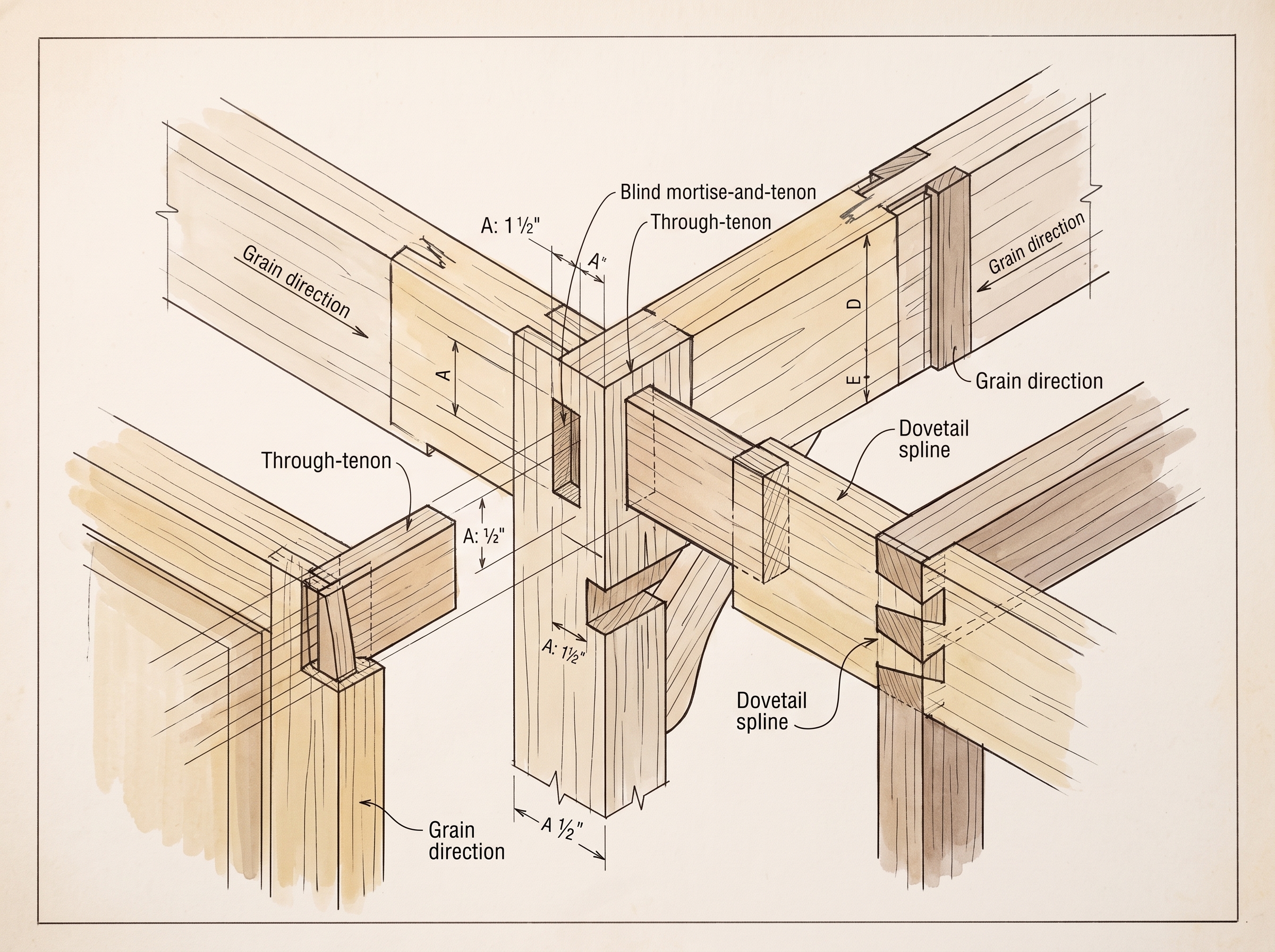
- •Materials and construction notes: Wood species, metal type, joinery, casting methods, and other diagnostic details
- •Estimated value range: A market-based price bracket, not a guaranteed sale price or formal appraisal
- •Market context: Brief notes on demand, rarity, and condition factors that influence value
If you need more than seven identifications in a single day—say you're working through an entire estate or processing inventory for resale—you'll need a paid plan. But for most individual collectors, the daily reset keeps you covered without a subscription.
What Photo Quality Works Best with Tocuro
Tocuro works from photos alone, so image quality matters. The tool looks for the same clues a human expert would: joinery details, patina, maker's marks, wear consistent with age, hardware styles, and proportions. Clear, well-lit images make identification faster and more accurate.
Overall shots in natural light
- •What to capture: The entire object from multiple angles—front, back, sides, top
- •Why it helps: Establishes form, proportions, and overall condition at a glance
Close-ups of construction details
- •What to capture: Joints, seams, tool marks, fasteners, hinges, castings
- •Why it helps: Reveals age, manufacturing method, and authenticity signals
Marks, labels, stamps, and signatures
- •What to capture: Maker's marks, foundry stamps, paper labels, import marks, patent dates
- •Why it helps: Directly identifies maker, country of origin, and sometimes exact production year
Wear and patina
- •What to capture: Scratches, tarnish, oxidation, finish loss, repairs
- •Why it helps: Distinguishes genuine age from reproduction, shows use history
Interior and underside views
- •What to capture: Drawer construction, backboards, base bottoms, hidden joinery
- •Why it helps: Exposes details manufacturers didn't intend to be seen—often the most diagnostic
Avoid dim lighting, heavy filters, extreme angles, or distant shots that compress detail. A smartphone camera in good daylight usually suffices. If you're working indoors, position the piece near a window or use balanced room lighting to avoid harsh shadows.
For specific guidance on different object types, see guides like antique clock identification or vintage decor identification, which walk through which photos matter most for each category.
How Tocuro Delivers Value Estimates
Once Tocuro identifies your item, it generates an estimated value range by comparing your piece to recent market activity: auction results, dealer sales, online marketplaces, and collector forums. The tool looks at factors like condition, rarity, maker, materials, and current demand to bracket a likely resale range.
This is not a formal appraisal. It's a market snapshot—useful for deciding whether to research further, consign to auction, list privately, or simply understand what you own. Formal appraisals require in-person inspection, provenance review, and credentials that meet insurance or legal standards. Tocuro's estimates help you make informed next steps, but they're not binding valuations.
For more on how photo-based estimates differ from certified appraisals, see antique furniture value estimate or antique value estimate.
Limitations and When to Seek Formal Expert Help
Tocuro handles a wide range of categories and conditions, but some situations call for hands-on expertise:
- •High-value or rare items: If you suspect you have a significant piece—fine art, museum-quality furniture, rare jewelry—consult a certified appraiser or auction specialist who can authenticate in person
- •Insurance or estate planning: Legal and insurance contexts require formal, written appraisals from credentialed professionals
- •Complex authentication questions: Sophisticated forgeries, unmarked pieces with contested attribution, or objects requiring scientific analysis (wood dating, pigment testing) need specialist attention
- •Condition issues that photos can't capture: Structural damage, hidden repairs, or material degradation that affects value but isn't visible in images
Tocuro is your first step—a way to understand what you have and whether it's worth pursuing formal evaluation. It won't replace hands-on expertise when stakes are high, but it filters out the noise and points you toward pieces that deserve deeper investigation.
Start Identifying Your Items Today
Whether you're clearing an estate, picking at flea markets, or finally cataloging inherited pieces, Tocuro gives you a practical starting point. Seven free identifications per day, no guesswork, no waiting for callbacks from busy appraisers.
Ready to see how Tocuro works with your own finds? Learn how Tocuro works and start uploading photos today.
Photo identification
Learn How Tocuro Works
Use Tocuro to identify items from photos and see what you are holding.