
Antique Value Estimate: How to Get a Reliable Market Range for Your Antiques
Getting a realistic antique value estimate starts with understanding what your item is, what drives its market price, and whether you need a quick range or a certified appraisal. This guide walks you through the process.

Antique Value Estimate: How to Get a Reliable Market Range for Your Antiques
When you find an old item in your attic, inherit a collection, or spot something interesting at an estate sale, the first question is usually the same: "What's it worth?" Getting an antique value estimate isn't just about a dollar figure—it's about understanding what you have, why it matters, and what the current market will bear.
Most people don't need a formal appraisal right away. They need a realistic market range to decide whether to sell, insure, research further, or simply enjoy what they've found. Here's how to get that estimate and when to take the next step.
What People Actually Mean by "Value"
When collectors and casual finders ask about value, they're usually asking one of three questions:
- •What could I sell this for today? This is current market value—what a willing buyer would pay in the current climate, through the right sales channel.
- •What would it cost to replace? Replacement value matters for insurance and is often higher than resale value.
- •What did someone pay for this in the past? Auction records and price guides show historical data, but markets shift. A piece that sold for $500 in 2010 might bring $200 or $800 today.
Most antique value estimates focus on current market value. That's the number that helps you make decisions—whether to list an item online, consign it to auction, or hold onto it.

What Affects Antique Value Estimate Results
Antiques aren't like new retail goods with fixed prices. Value depends on a shifting mix of factors, and understanding them helps you interpret any estimate you receive.
Age and rarity
Older doesn't always mean more valuable. A mass-produced Victorian chair can be worth less than a well-designed piece from the 1950s. Rarity matters more than age alone—how many were made, how many survive, and how many are currently available.
Condition and originality
Damage, repairs, refinishing, and replaced parts all affect value. A refinished antique desk might lose 40–60% of its value compared to an original-finish example. Condition standards also vary by category—collectors of vintage toys expect some paint wear, while fine porcelain buyers demand perfection.
Maker, origin, and provenance
Signed pieces, documented makers, and known regional origins command premiums. A generic oak table and a signed Stickley table in the same style can differ by thousands of dollars. Provenance—ownership history or exhibition records—adds value when it can be documented.
Market demand and trends
Collector interest shifts. Mid-century modern furniture has soared in the past decade, while heavy Victorian pieces have softened. Regional preferences, generational tastes, and decorating trends all move the market. An estimate reflects today's demand, not permanent worth.
Size, usability, and display appeal
Practical considerations matter. A beautiful armoire that won't fit through modern doorways, a chandelier that requires rewiring, or a dining table too large for current homes all face market resistance. Displayable, photogenic pieces with clear decorative use tend to sell faster and higher.
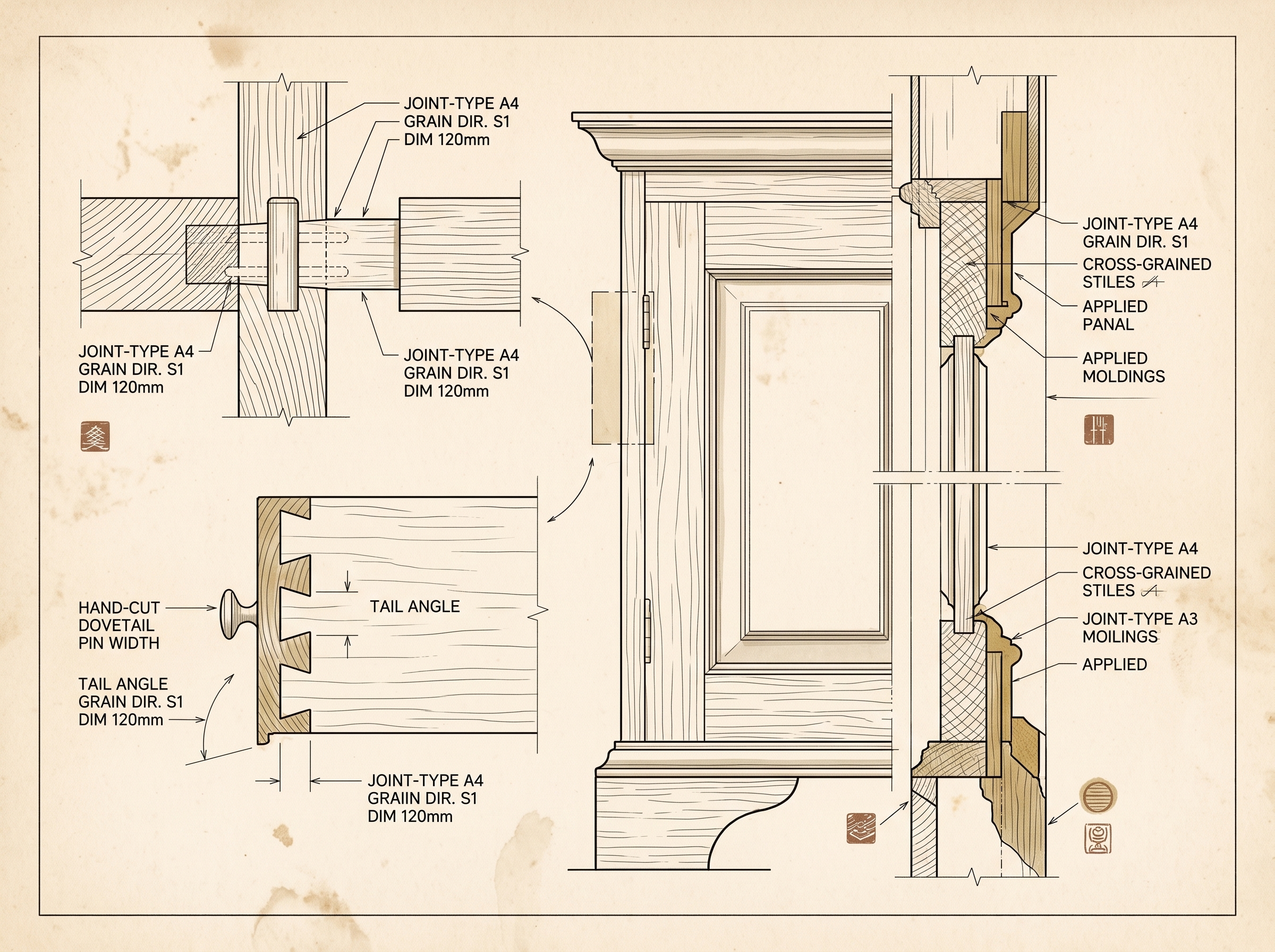
Antique Value Estimate vs. Formal Appraisal
These terms get used interchangeably, but they serve different purposes and come with different costs and commitments.
An estimate gives you a market range based on comparable sales, current listings, and category knowledge. It's usually free or low-cost, fast, and useful for deciding next steps. Estimates work well for everyday antiques, inherited items you're evaluating, and pieces you're considering selling. They're not legally binding and shouldn't be used for insurance or estate settlement.
A formal appraisal is a certified document prepared by a credentialed appraiser, often following USPAP (Uniform Standards of Professional Appraisal Practice) guidelines. Appraisals cost $150–$500+ per hour or per item, include detailed research and documentation, and are required for insurance, estate taxes, charitable donations, and legal disputes. You're paying for liability coverage and professional credentials, not just information.
For most situations—selling online, deciding whether to restore a piece, or satisfying curiosity—a reliable estimate is enough. Save the appraisal fee for when you need the paperwork.
When a Photo-Based Antique Value Estimate Is Enough
Many antiques can be accurately estimated from clear photos, especially when the category, style, and condition are straightforward.
Photo-based estimates work well for:
- •Common antique categories like furniture, jewelry, china, glassware, and decorative objects
- •Pieces with visible maker's marks or identifiable design features
- •Items in typical condition without unusual damage or complex restoration questions
- •Pre-sale decisions when you're deciding whether to list, donate, or research further
The key is photo quality. Good estimates require images of the overall piece, close-ups of marks and signatures, detail shots showing construction and condition, and views of any damage or repairs.
When You Need an In-Person Expert
Some situations demand hands-on examination:
- •High-value items where authenticity questions could swing value by thousands
- •Pieces with condition issues that photos can't fully capture—hidden damage, structural problems, or complex restoration
- •Insurance or legal purposes requiring certified documentation
- •Rare or unusual items without clear comparables in the current market
- •Fine art, manuscripts, or items where forensic analysis (materials testing, authentication) adds critical information
If your initial estimate suggests significant value or raises authenticity questions, that's when to invest in professional examination.
How to Use Tocuro for Your Antique Value Estimate
Getting started with a reliable market range doesn't require appointments, fees, or guesswork. Tocuro identifies antiques from photos and provides estimated value ranges based on current market signals—not formal appraisals, but practical ranges that help you make decisions.
The process is straightforward:
- •Take clear photos of your item from multiple angles, including any marks, signatures, or labels
- •Upload to Tocuro at tocuro.app/identify
- •Get identification and market range based on comparable sales and current listings
- •Decide your next step—list it, research further, or seek a formal appraisal if the range suggests significant value
Tocuro works across categories—not just furniture, but ceramics, glassware, metalwork, collectibles, and decorative objects. The estimated value reflects market realities, not wishful thinking or outdated price guide listings.
For items like coins, watches, or rings where condition details and authenticity markers are especially critical, clear close-up photos make all the difference.
Making Sense of Your Estimate
Once you have a value range, context matters. A range of $150–$300 means the item could sell anywhere in that span depending on where and how you sell it, seasonal demand fluctuations, and how quickly you need to move it.
Expect the lower end if you're selling quickly through general marketplaces or to dealers who need to resell at a profit. The higher end requires the right buyer, patient timing, and the best sales channel—whether that's a specialized auction, a niche collector forum, or a carefully marketed online listing.
If the estimate comes back lower than you hoped, that's not a reflection on the item's quality or your taste. It's simply what the current market will bear. Markets change, and today's modest price can become tomorrow's hot category.
Ready to Find Out What You Have?
Every antique value estimate starts with knowing what you're looking at. Whether you're clearing out an estate, evaluating an inheritance, or just curious about that interesting piece you've had for years, a quick photo-based estimate gives you the information you need to move forward.
Upload a photo to Tocuro and get a reliable market range based on current signals. No appointments, no guesswork—just practical information that helps you decide what comes next.
Photo-based estimate
Upload a Photo for a Fast Estimate
Use Tocuro to identify your item from a photo and get an estimated value range when market data is available.