
Vase Identification App: Identify Vases from Photos and Get Value Estimates
Tocuro's vase identification app helps you identify vases from photos, providing maker attribution, period dating, and market value estimates based on visual analysis of form, glaze, marks, and decoration.
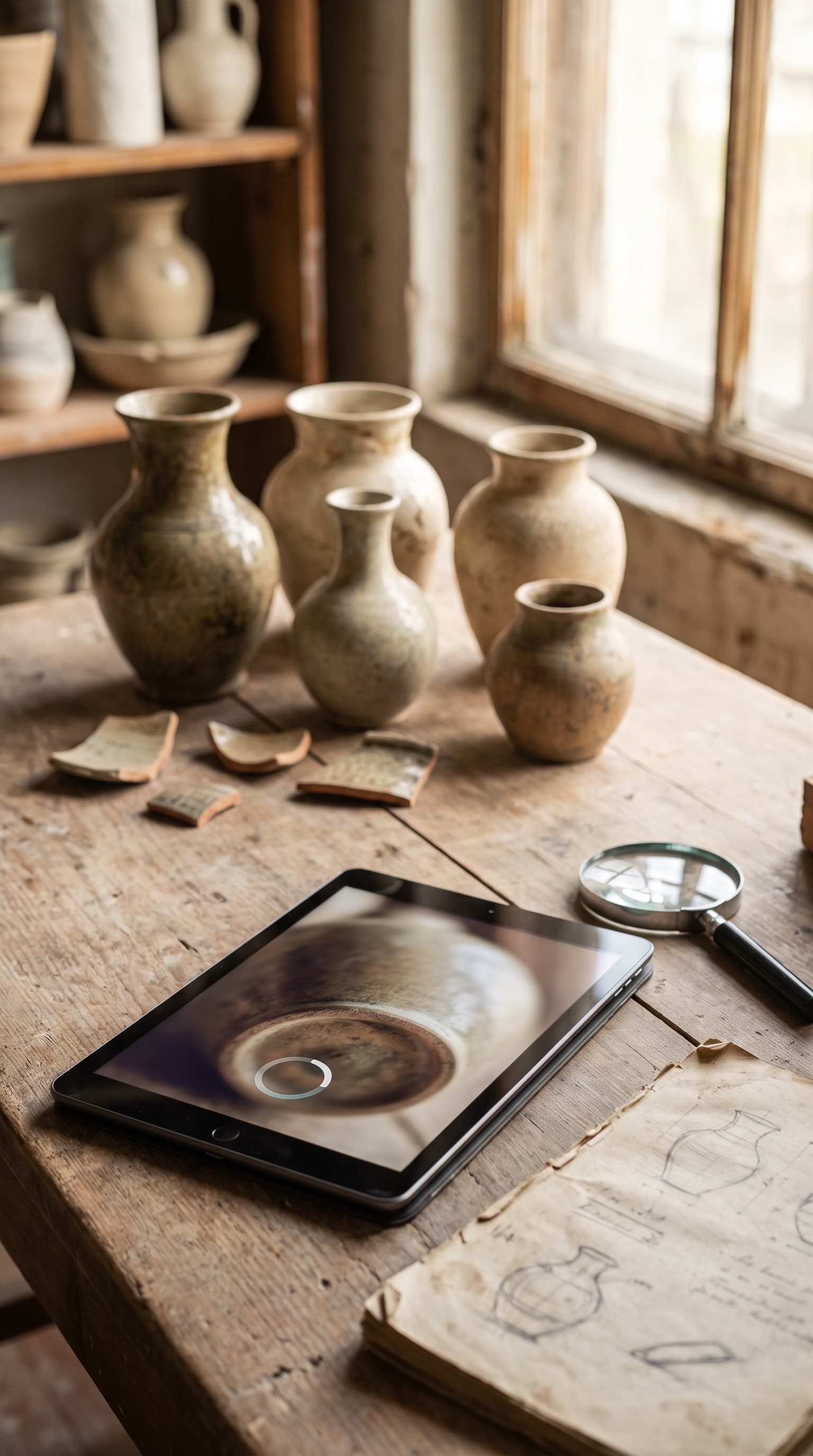
You've Found a Vase and Want to Know What It's Worth
You've inherited a tall floor vase with an unfamiliar mark on the bottom. Or you spotted a brilliantly glazed ceramic vase at an estate sale with no label. Maybe you're staring at a shelf full of vases wondering which ones are mass-produced and which might be collectible art pottery.
Searching "blue vase with gold trim" or "tall green pottery vase" online leads to thousands of similar-looking pieces with wildly different values. Visiting an appraiser for every vase isn't practical, and collector forums can take days to respond—if they respond at all.
A vase identification app solves this by analyzing photos of your vase and delivering instant information about maker, style, age range, and estimated market value based on visual characteristics and comparable sales data.
How Tocuro Identifies Vases from Photos
Tocuro analyzes the photos you upload to identify vases based on form, glaze technique, decoration style, maker marks, and construction details. The app cross-references these visual signals against a database of known makers, pottery studios, design periods, and recent market activity.
When you photograph a vase, Tocuro looks at:
- •Form and proportion: Shape, rim style, foot design, handle configuration
- •Surface decoration: Hand-painted details, transfer prints, applied elements, incised patterns
- •Glaze characteristics: Color, texture, drip patterns, crazing, pooling effects
- •Base marks: Impressed stamps, painted signatures, paper labels, mold numbers
- •Construction clues: Wheel-thrown vs. molded, seam lines, weight, wall thickness
The app identifies pottery manufacturers like Roseville, Rookwood, and Weller; studio potters; European porcelain makers such as Royal Doulton and Limoges; Asian export ceramics; and mid-century art pottery from Heath, Bauer, and similar studios.
You receive maker attribution (when identifiable), approximate age range, style classification, and an estimated value range based on current market signals. The value estimate reflects what similar vases have sold for recently, though it's not a formal appraisal.
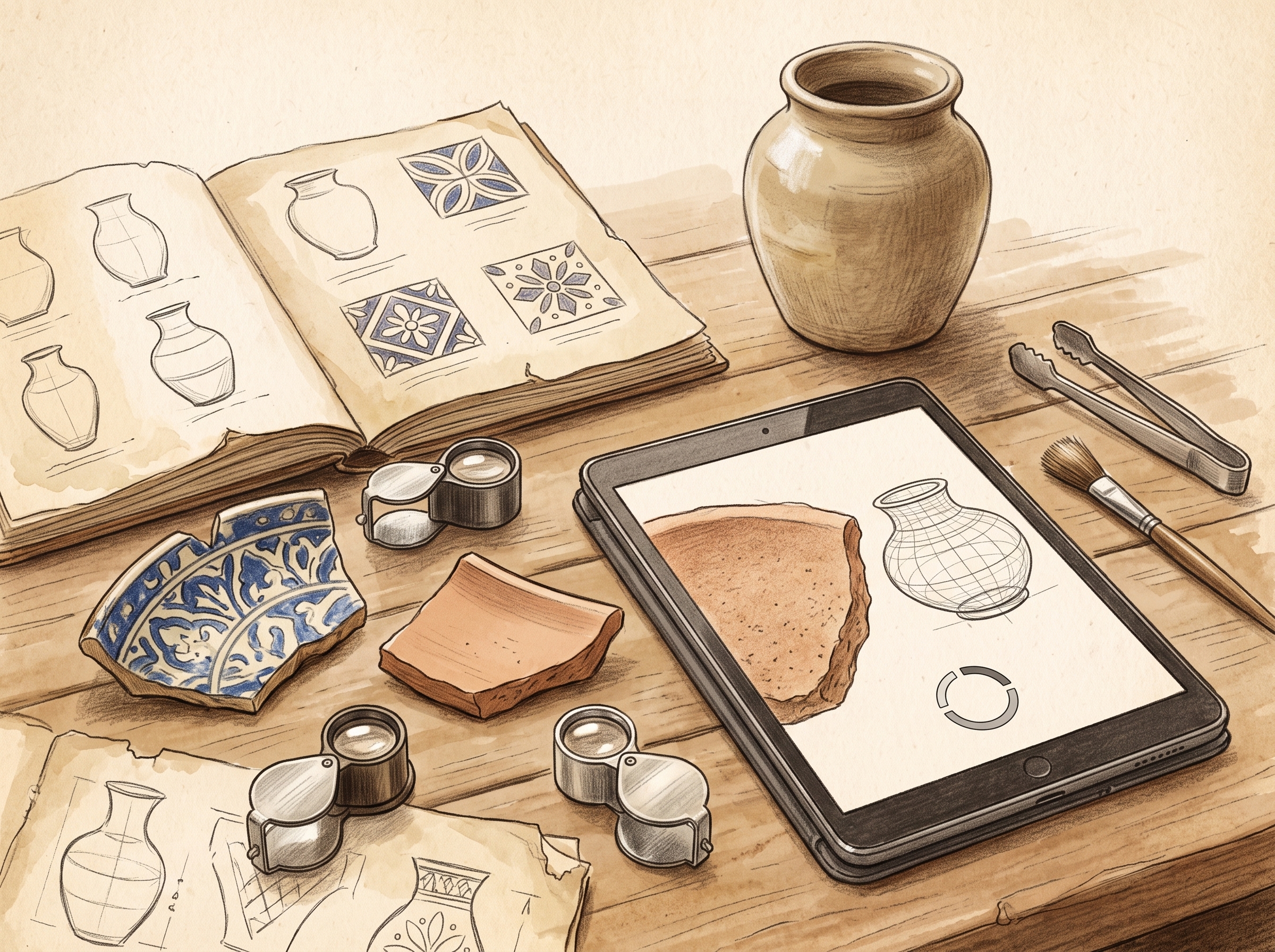
What You Get Free with the Vase Identification App
Tocuro gives you 7 free vase identifications per day. This daily allotment resets every 24 hours, so you can identify up to seven different vases each day without paying anything.
Each identification includes:
- •Likely maker or pottery studio (if determinable from photos)
- •Production period or era
- •Style classification (Art Nouveau, Mid-Century Modern, Arts & Crafts, etc.)
- •Decoration technique (majolica, crystalline glaze, sgraffito, etc.)
- •Estimated current market value range based on comparable sales
- •Condition considerations that affect value
The free daily limit works well if you're researching a small collection, evaluating estate items over several days, or learning to identify vases on your own by comparing the app's analysis to your observations.
For larger collections or professional resellers photographing inventory, higher-volume plans are available beyond the free tier.
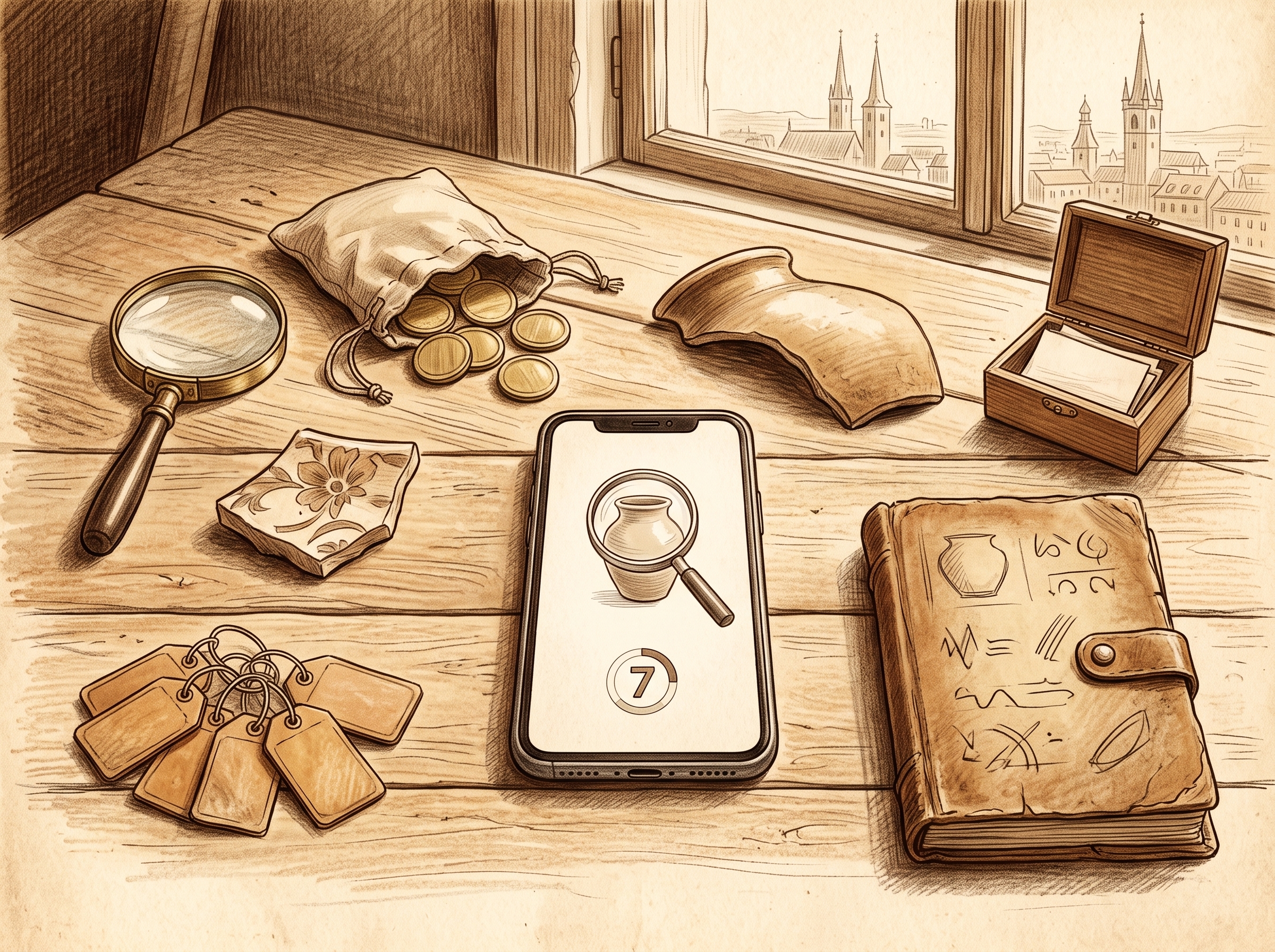
Photo Quality That Works Best for Vase Identification
Good photos make the difference between a confident identification and a generic guess. Vases need multiple angles to capture all the details that separate a $20 department store piece from a $2,000 art pottery treasure.
Full vase in natural light
- •What to capture: Complete profile showing height proportions, rim, body, and foot
- •Why it matters: Overall form is the first identifier—bulbous bodies, cylinder necks, and flared rims each point to different makers and periods
Base and maker marks
- •What to capture: Bottom of vase with all stamps, signatures, paper labels, or mold numbers clearly visible
- •Why it matters: Marks are the most direct path to maker identification; see our guide on how to photograph maker marks for mark-specific tips
Surface decoration close-ups
- •What to capture: Painted details, applied flowers, incised patterns, or decorative elements at close range
- •Why it matters: Hand-painted decoration versus transfer prints, quality of artistry, and specific motifs help identify studios and individual artists
Glaze detail shots
- •What to capture: Texture, drips, color variations, crazing patterns, or special effects like crystalline or flambe glazes
- •Why it matters: Glaze chemistry is a signature element for many art pottery studios—Rookwood's vellum, Fulper's flambe, and Grueby's matte green are instantly recognizable
Shoot in good natural light near a window, not under overhead bulbs that create harsh shadows or color casts. A plain background (white paper, neutral tablecloth) helps the vase stand out. Avoid filters or heavy editing that alter the true glaze color.
If your vase is porcelain or pottery, those specialized pages offer additional ceramic-specific photo guidance.
When Photo Identification Has Limits
Photo-based vase identification works well for pieces with distinctive visual characteristics, but some situations need in-person expertise:
Unmarked production pottery: Without marks or highly distinctive features, attribution can be tentative. Many mid-century and contemporary vases were made by multiple factories using similar molds and glazes.
Restoration and repairs: Photos may not reveal professional restoration that significantly affects value. Hairline cracks, reglued breaks, and overpainted damage often require hands-on inspection under UV light.
High-value attributions: If initial identification suggests a rare studio potter or significant art pottery piece worth thousands, seek a specialist's in-person examination before selling or insuring.
Asian export ceramics: Dating Chinese, Japanese, and other Asian vases often requires expertise in reign marks, glaze formulas, and period-specific decoration that goes beyond visual analysis alone.
Extremely rare makers: Obscure studio potters, one-off artist pieces, or experimental works may lack comparable market data, making value estimates less reliable.
For insurance documentation, estate settlements, or major sale decisions, follow up photo identification with a qualified appraiser who specializes in ceramics.
Start Identifying Your Vases Today
That mysterious vase in your attic might be a $15 swap meet find or a collectible Roseville Sunflower worth hundreds. The only way to know is to identify it.
Tocuro gives you immediate answers from photos—no waiting for forum replies, no driving to appraisers for preliminary questions, no guessing based on incomplete online searches.
Upload photos of your vases and get maker identifications, period dating, and market value estimates in seconds. Try 7 Free IDs Today and discover what you actually own.
Photo identification
Identify Your Item
Use Tocuro to identify your item from a photo and get an estimated value range when market data is available.