
Thrifting Furniture: How to Shop Like a Collector and Build a Collection Worth Keeping
A practical guide to thrifting furniture as a collector—covering quick in-store checks, which pieces deserve research, and how to organize and value your finds as you build a collection.
Thrifting Furniture: How to Shop Like a Collector and Build a Collection Worth Keeping
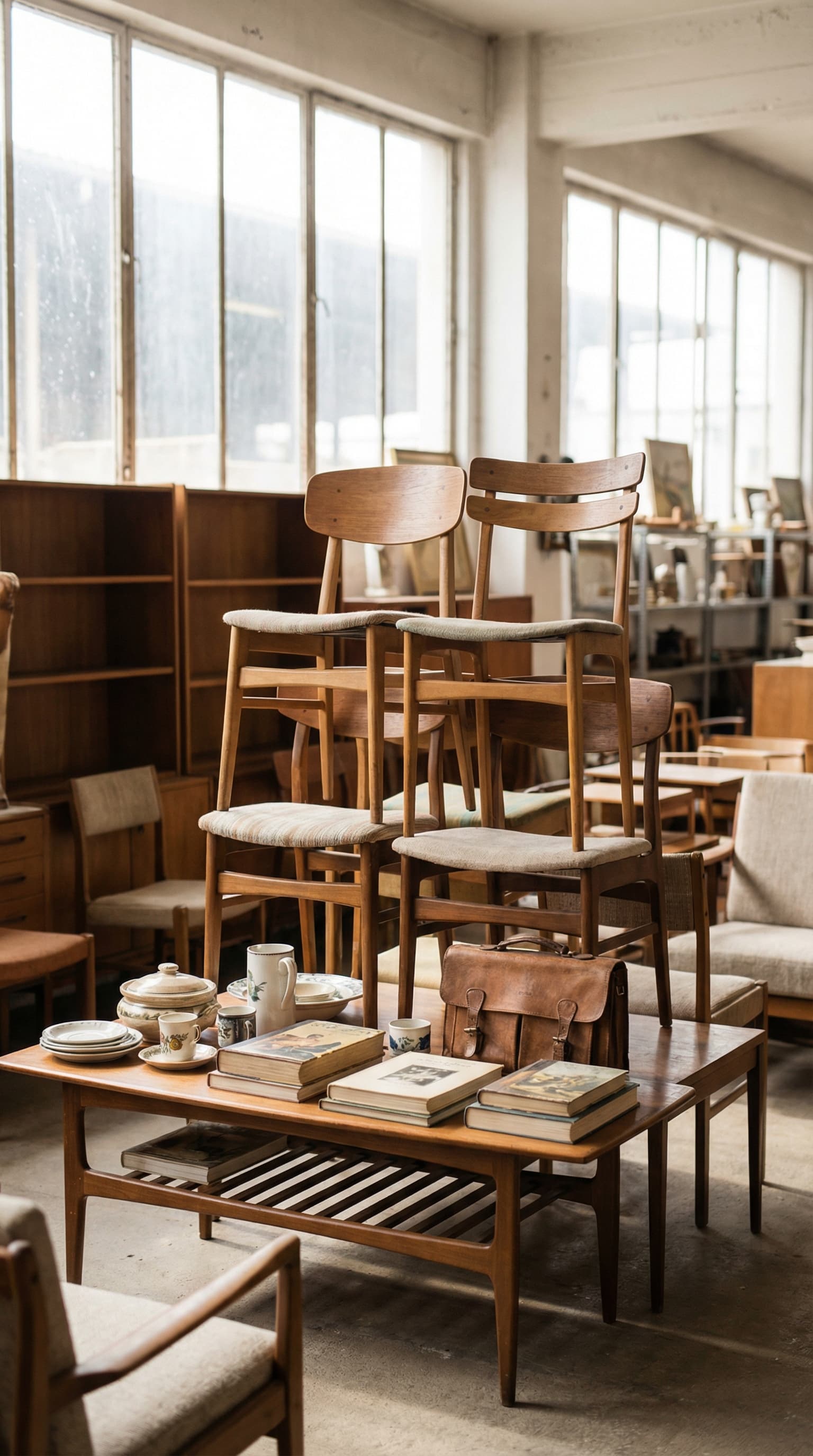
Thrifting furniture isn't just about filling a room on a budget. For collectors, it's a treasure hunt—a way to find pieces with history, character, and value that mass-market stores can't replicate. But the difference between casual browsing and building a real collection comes down to knowing what to check in the moment, which finds deserve deeper research, and how to organize what you bring home.
This guide walks through the collector's approach to thrifting furniture: quick assessments in the aisle, research priorities back home, and a workflow that helps you track, value, and grow a collection over time.
Why Thrifting Furniture Works for Collectors
Thrift stores, estate sales, and consignment shops rotate inventory constantly. Unlike antique malls where dealers have already vetted and priced pieces, thrift environments often misprice or overlook furniture because staff lack specialized knowledge. That gap creates opportunity.
Collectors who thrift regularly develop an eye for construction quality, period details, and maker's marks that signal value. Over time, you're not just finding furniture—you're curating a collection with intent, whether that's mid-century modern credenzas, vintage Windsor chairs, or Arts and Crafts oak pieces.
What to Check Fast When Thrifting Furniture
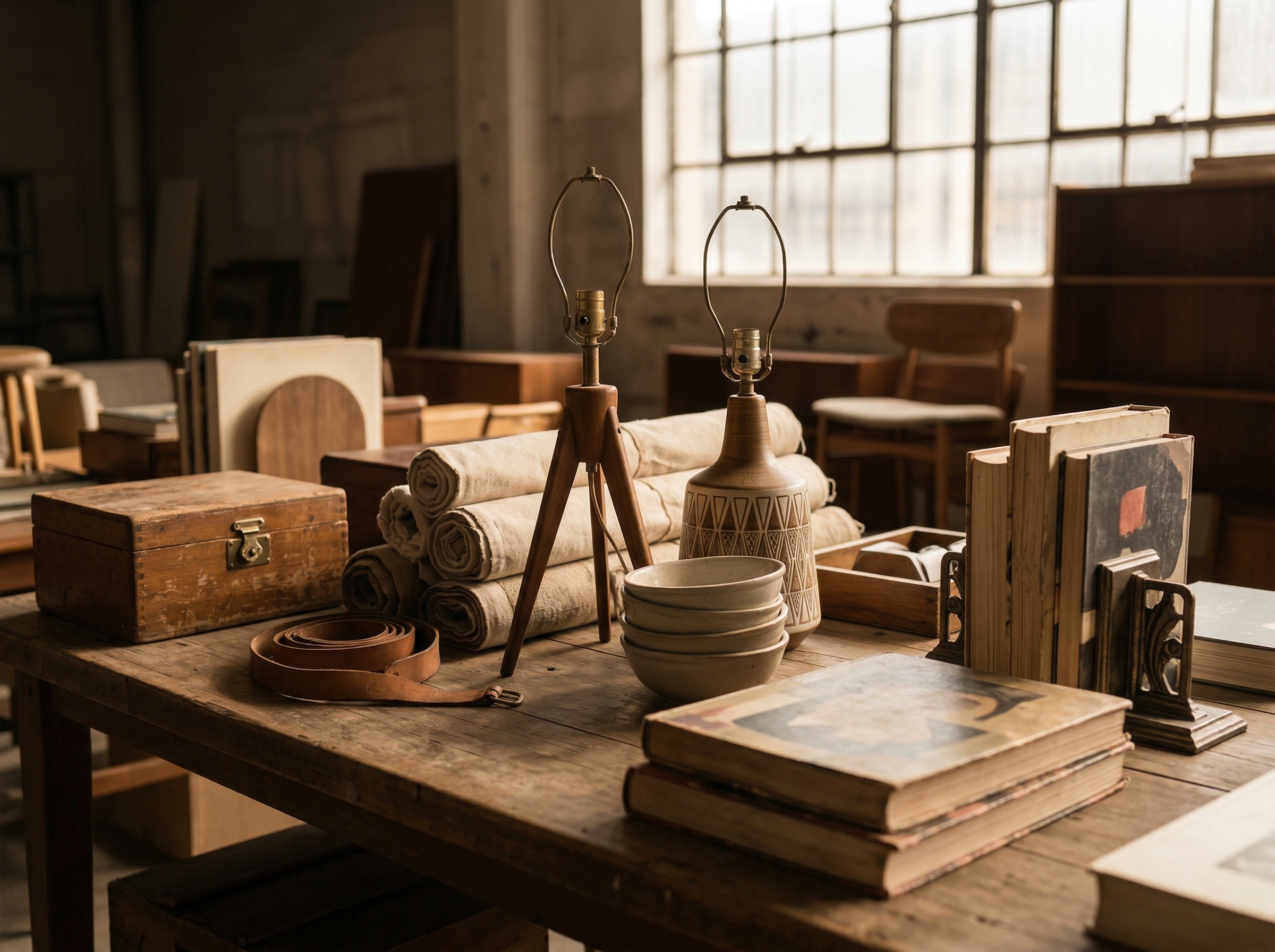
You rarely have time to research on the floor. Here's what to assess quickly:
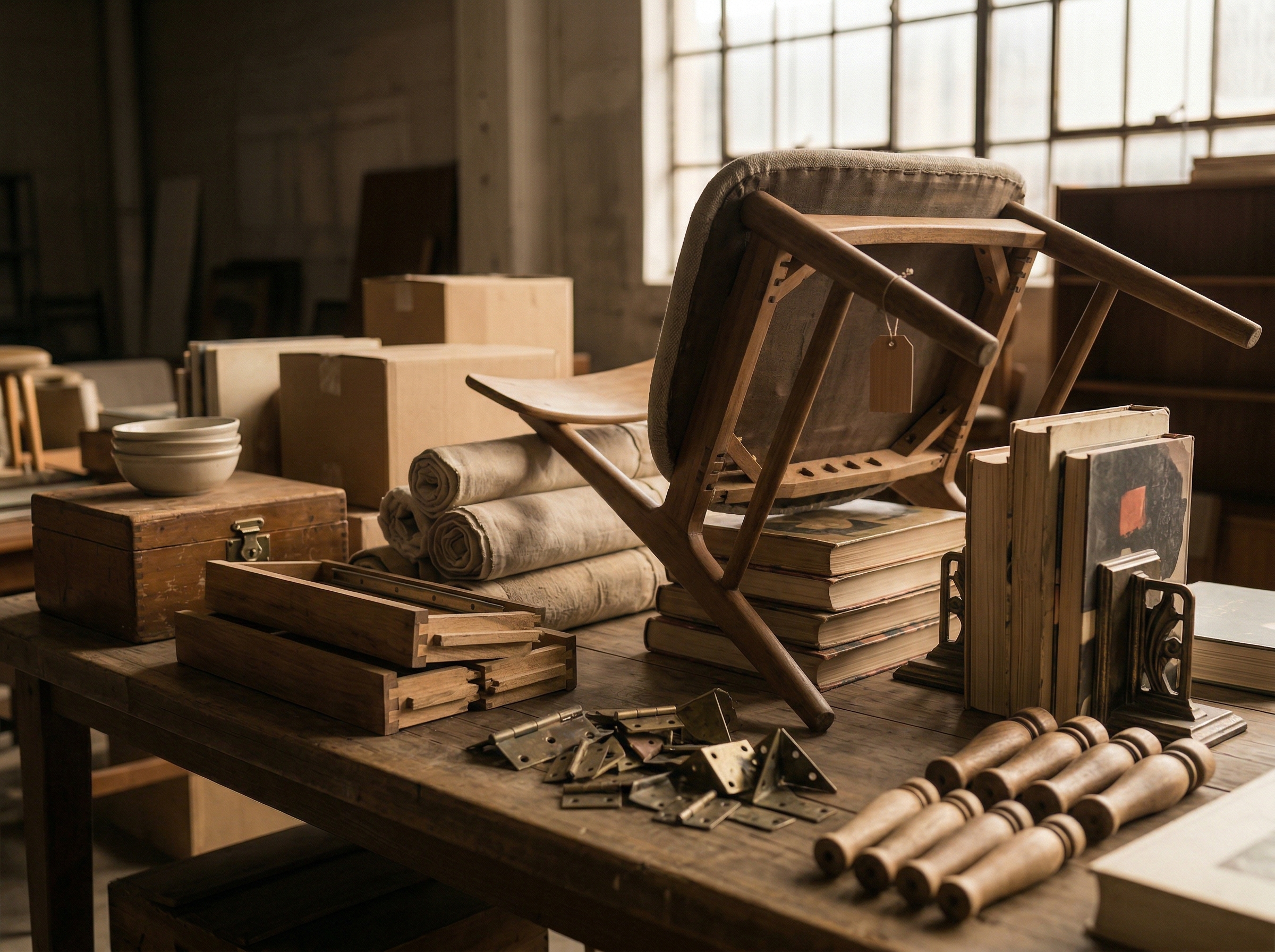
Construction and joinery: Flip chairs and tables. Look for dovetail joints, mortise-and-tenon construction, and hand-cut details. These signal older, handmade work versus modern factory assembly.
Hardware and fasteners: Original brass pulls, hand-forged hinges, or unusual escutcheons can indicate age and quality. If hardware looks replaced, check whether the piece still has original screw holes underneath.
Wood type and finish: Solid wood (especially walnut, mahogany, oak, or teak) typically suggests better quality than veneer over particle board. Check edges and undersides to confirm. Original finish—even if worn—often adds value over heavy refinishing.
Labels, stamps, and signatures: Flip pieces over. Check drawer backs, undersides, and interior panels for manufacturer labels, stamps, or retailer tags. Even a partial label can help identify makers later.
Condition red flags: Structural damage (broken joints, cracked frames), active pest damage (fresh sawdust, holes), and deep water stains often cost more to repair than the piece is worth. Surface wear and patina are fine—instability is not.
Take photos of anything that catches your eye, especially details like joinery, hardware, and any marks. You'll use these later.
What's Worth Researching After You Thrift Furniture
Not every piece needs deep research, but certain finds justify the effort:
Signed or labeled furniture: If you spotted a maker's mark, manufacturer label, or designer signature, research the name. Some mid-century studios, regional craftsmen, and furniture companies command strong collector interest.
Period-specific styles: Pieces with distinct characteristics—like tapered legs, X-stretchers, or spindled backs—can often be dated and attributed to a movement (Federal, Victorian, Craftsman, mid-century modern). Identifying the period helps establish value and collectibility.
Unusual materials or techniques: Inlay, marquetry, hand-carved details, or exotic woods often indicate higher-end work. Research whether the style matches a known maker or region.
Furniture with strong resale signals: If comparable pieces sell consistently on eBay, Chairish, or 1stDibs, that's a signal the market values that style or maker. Track sold listings to gauge realistic pricing.
For general guidance on which thrift finds are worth digging into, see Best Thrift Finds: What to Look For and Which Ones to Research.
How to Organize and Value Your Thrifting Furniture Finds
Once you've brought pieces home, the collector's work begins: identifying, valuing, and organizing what you've found.
Identify unknown pieces from photos
If you're unsure what you have—style, period, or maker—photo-based identification tools can help. Tocuro lets you upload photos of furniture and get insights on style, age, and comparable market items. You get 7 free identifications per day, and the count resets daily, so you can work through a backlog of thrift finds over time.
For chairs specifically, Antique Chair Identification walks through how to use photos to narrow down style and period.
Estimate value ranges
Once you know what you have, estimating value helps you decide whether to keep, flip, or research further. Tocuro provides estimated value ranges based on market signals—not formal appraisals, but enough to understand whether a piece is worth $50 or $500.
For a deeper dive into furniture valuation, see Antique Furniture Appraisal: A Step-by-Step Guide to Getting It Right.
Track your collection
Collectors who thrift regularly accumulate pieces faster than they expect. Keeping photos, notes, and estimated values in one place prevents you from losing track of what you own—and makes it easier to spot patterns in what you're drawn to.
Tocuro's collection workflow lets you save identified items, add notes, and organize finds by room, style, or project. If you later decide to sell, you can export your collection to Facebook Marketplace and eBay without rewriting descriptions from scratch.
When Thrifting Furniture Becomes Collecting
The shift from casual thrifting to intentional collecting happens when you start making decisions with context. Instead of grabbing anything that looks old, you're targeting specific styles, makers, or periods. You're tracking what you've found, learning from misses, and refining your eye over time.
That shift requires a system—not just for shopping, but for organizing and valuing what you bring home. For broader advice on developing a collector's mindset, How to Become a Collector covers the habits that help.
Start Building Your Furniture Collection
Thrifting furniture with a collector's mindset means knowing what to check in the moment, which pieces deserve research, and how to organize your finds into a collection you can track and value over time.
Tocuro helps you identify furniture from photos, estimate value ranges based on market signals, and keep your collection organized in one place. You get 7 free identifications per day, so you can work through finds at your own pace.
Start collecting and turn your thrift hauls into a curated collection.
Collector workflow
Start Collecting
Save your finds, track what you own, and turn one-off discoveries into a collection.