
Silver Plate Identification: How to Tell EPNS from Sterling Silver
Silver plate identification starts with reading hallmarks and understanding wear patterns. This guide shows you which clues matter most, what photos reveal EPNS versus sterling, and how to avoid common misidentifications when examining flatware and serving pieces.
Silver Plate Identification: How to Tell EPNS from Sterling Silver
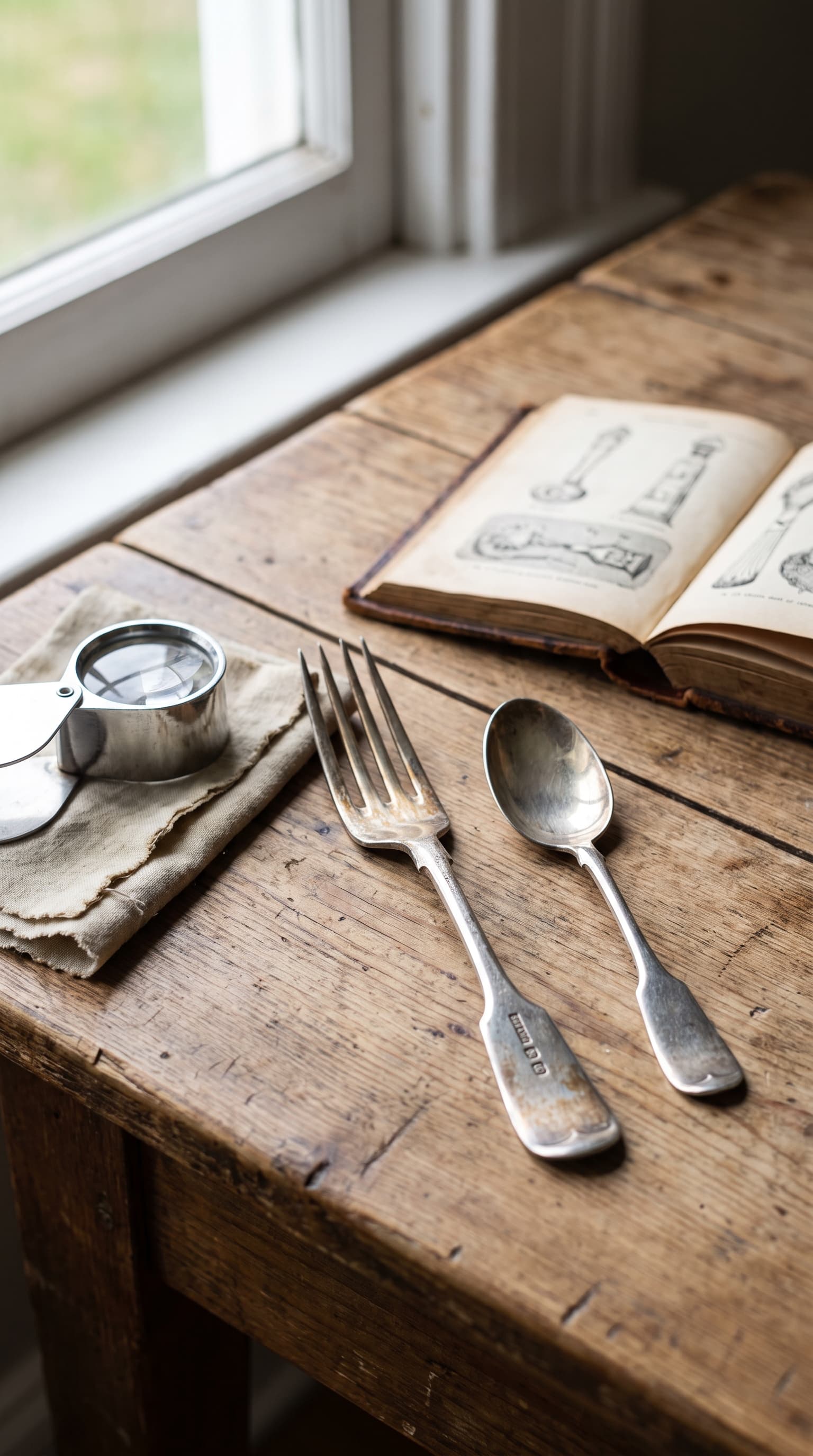
Silver plate identification begins the moment you flip a piece over and examine its marks. That spoon in your grandmother's drawer might say "EPNS," "A1," or show a crown and lion that looks official but isn't quite right. Understanding these marks—and the physical clues that accompany them—makes the difference between recognizing valuable sterling silver and identifying quality plated flatware that's worth keeping but priced differently.
Most people find silver plate when sorting through estate items or browsing antique shops. The confusion is real: some silver plate carries impressive maker names like Rogers or Oneida, shows beautiful patterns, and feels substantial in hand. But the material composition determines both value and care requirements, making accurate identification essential before you polish, sell, or insure.
What Clues Matter Most for Silver Plate Identification
Silver plate wears differently than solid sterling, and the marks tell distinct stories. Here's what actually helps separate the two.
Hallmark Language
Sterling silver typically shows "STERLING," "925," or a full set of British hallmarks including a lion passant, date letter, and assay office mark. Silver plate uses different terminology: EPNS (Electroplated Nickel Silver), EPBM (Electroplated Britannia Metal), A1, Triple Plate, Quadruple Plate, or simply "Silver Plate." If you see any of these terms, you're looking at plated flatware.
Some pieces show only a maker's mark or pattern name without composition marks. That absence often indicates plating, especially on American flatware from the late 1800s through mid-1900s.
Wear Patterns and Base Metal
Silver plate eventually wears through at high-contact points: fork tines, spoon bowls, knife blade edges. When silver plate wears away, you'll see a different color underneath—usually yellowish (brass), grayish (nickel silver), or sometimes copper-toned. Sterling silver wears down but stays silver all the way through.
Check the back of spoon bowls and the inside curves of fork tines. Heavy use creates thin spots where base metal shows through as a different color or patina.
Weight and Feel
This clue requires calibration. Sterling flatware often feels denser than plate because solid silver is heavier than the copper-alloy bases used in most plating. But quality silver plate from makers like International Silver or Reed & Barton can feel surprisingly substantial, especially triple or quadruple plate with thick silver layers.
Weight alone won't confirm identification, but when combined with marks and wear, it supports your conclusion.
Magnetic Response
Sterling silver is not magnetic. Most silver plate is not magnetic either, since the base metals—brass, nickel silver, and britannia metal—don't attract magnets. However, some cheaper or modern plate uses steel or iron cores, which will respond to a magnet. If a piece is magnetic, it's definitely not sterling. If it's not magnetic, you'll need other clues.
What Photos to Take for Silver Plate Identification
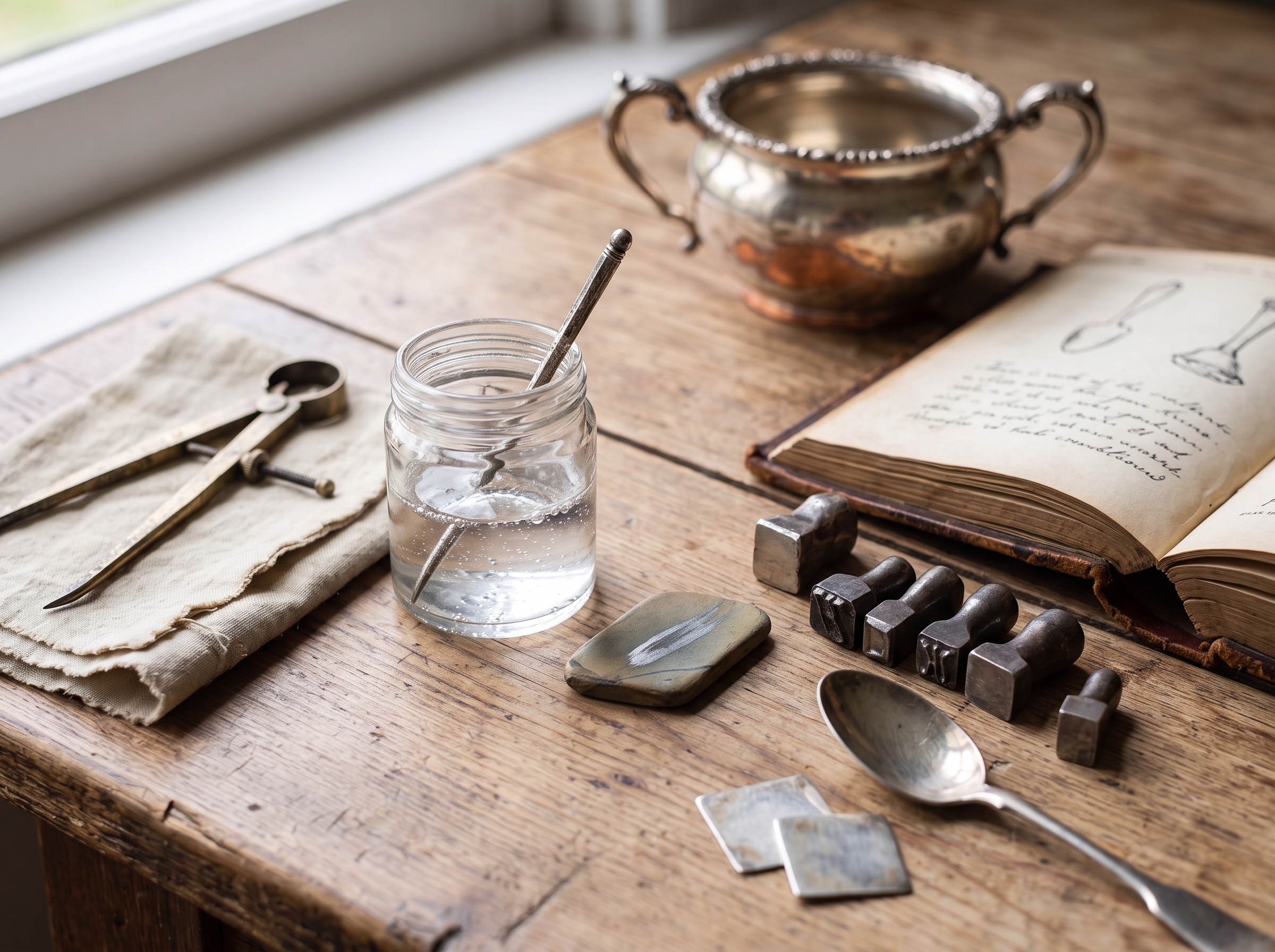
Clear photos capture the details that distinguish EPNS from sterling. Focus on marks first, then physical condition.
Close-Up of All Marks
Photograph every mark on the piece, including the back of handles, inside bowls, and any tiny stamps near the pattern. Use natural light or bright indoor lighting. Hold your phone 3-4 inches away and tap to focus on the mark before shooting. Blurry mark photos make identification nearly impossible.
If multiple pieces are in a set, check whether marks vary—some manufacturers changed marking practices over production runs.
Wear Areas in Sharp Detail
Capture the back of spoon bowls, fork tine tips, and knife edges where wear reveals base metal. If you see color differences, photograph those spots clearly. This visual evidence confirms plating when marks are ambiguous or worn away.
Full Profile Shots
Take a well-lit photo of the entire piece from the side and from above. Pattern details, handle shape, and overall construction sometimes help identify maker and era, especially when marks are incomplete.
Comparison Shots If You Have Multiple Pieces
When you're comparing a questionable piece to known sterling or known plate, photograph them side by side. Weight, color, and mark differences become more obvious in direct comparison.
For comprehensive guidance on photographing silver items, see our Silver Identification App resource.
Common Misidentifications in Silver Plate
Several scenarios trip up even experienced collectors. Knowing these patterns helps you avoid costly mistakes.
European Marks That Look Like Hallmarks
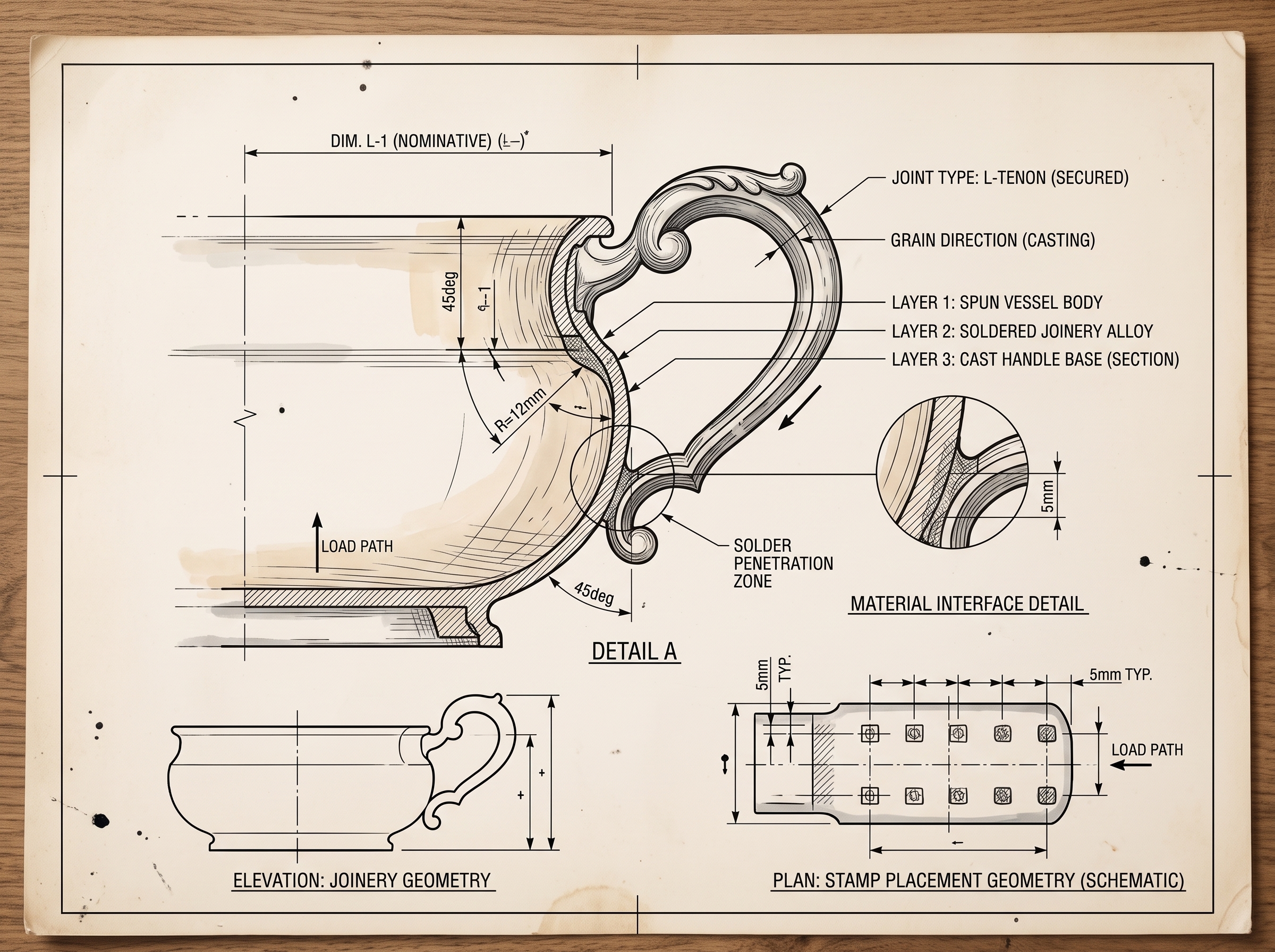
Some silver plate carries crown symbols, lions, or other figures that mimic British sterling hallmarks. German and French manufacturers used decorative marks that resemble assay stamps but appear on plated goods. The key difference: British sterling hallmarks follow strict formats with multiple required marks (lion passant, maker's mark, date letter, town mark). Plated pieces might show one or two similar-looking symbols but lack the complete set.
When in doubt, research the specific mark configuration or upload a clear photo for identification.
"German Silver" and "Nickel Silver" Confusion
These terms don't mean the item contains silver. German silver and nickel silver are copper-nickel-zinc alloys used as base metals under silver plating. If a piece says "German Silver" or "Nickel Silver" without "EPNS" or another plating designation, it's unplated nickel alloy—no silver content at all.
High-Quality Plate Mistaken for Sterling
Reed & Barton, Gorham, and International Silver made exquisite silver plate in popular patterns like Eternally Yours and Prelude. The weight, finish, and detail rival sterling. Always check the marks: these makers clearly marked their plating ("Silver Soldered," "EPNS," or "Quadruple Plate") versus their sterling lines ("STERLING").
Worn Marks Leading to Assumptions
Heavily used flatware sometimes loses its marks entirely. Without marks, people guess based on weight or appearance. Worn marks don't make a piece sterling, and absence of marks doesn't confirm plate. Examine wear patterns and, if possible, compare to documented examples from the same maker or era.
What Tocuro Can Help Resolve
When you're standing in an antique shop or sorting through inherited flatware, you need answers fast. Tocuro identifies silver plate, sterling, and other metals from the photos you take right now.
Upload clear images of your marks, wear spots, and full pieces. Tocuro analyzes the details—EPNS stamps, base metal showing through, maker marks, and pattern clues—and provides identification along with estimated value ranges based on current market signals. Those value estimates aren't formal appraisals, but they give you practical guidance for decisions about selling, insuring, or keeping pieces.
You get 7 free identifications per day, and that count resets daily. For collectors working through larger estates or dealers evaluating inventory, higher-volume usage is available.
Silver plate identification doesn't require a jeweler's loupe or a hallmark encyclopedia—just the right photos and a tool built for exactly this problem. Whether you're confirming that EPNS mark means electroplate or verifying a suspicious "sterling" stamp, Tocuro handles the research while you focus on the pieces themselves.
Identify Your Item now and get clear answers about what you're holding.
Photo identification
Identify Your Silver
Use Tocuro to identify your item from a photo and get an estimated value range when market data is available.