
Porcelain Identification App: Identify China and Porcelain from Photos
Learn how to use a porcelain identification app to identify china and fine porcelain from photos, what makes a good identification photo, and when photo-based tools work best.
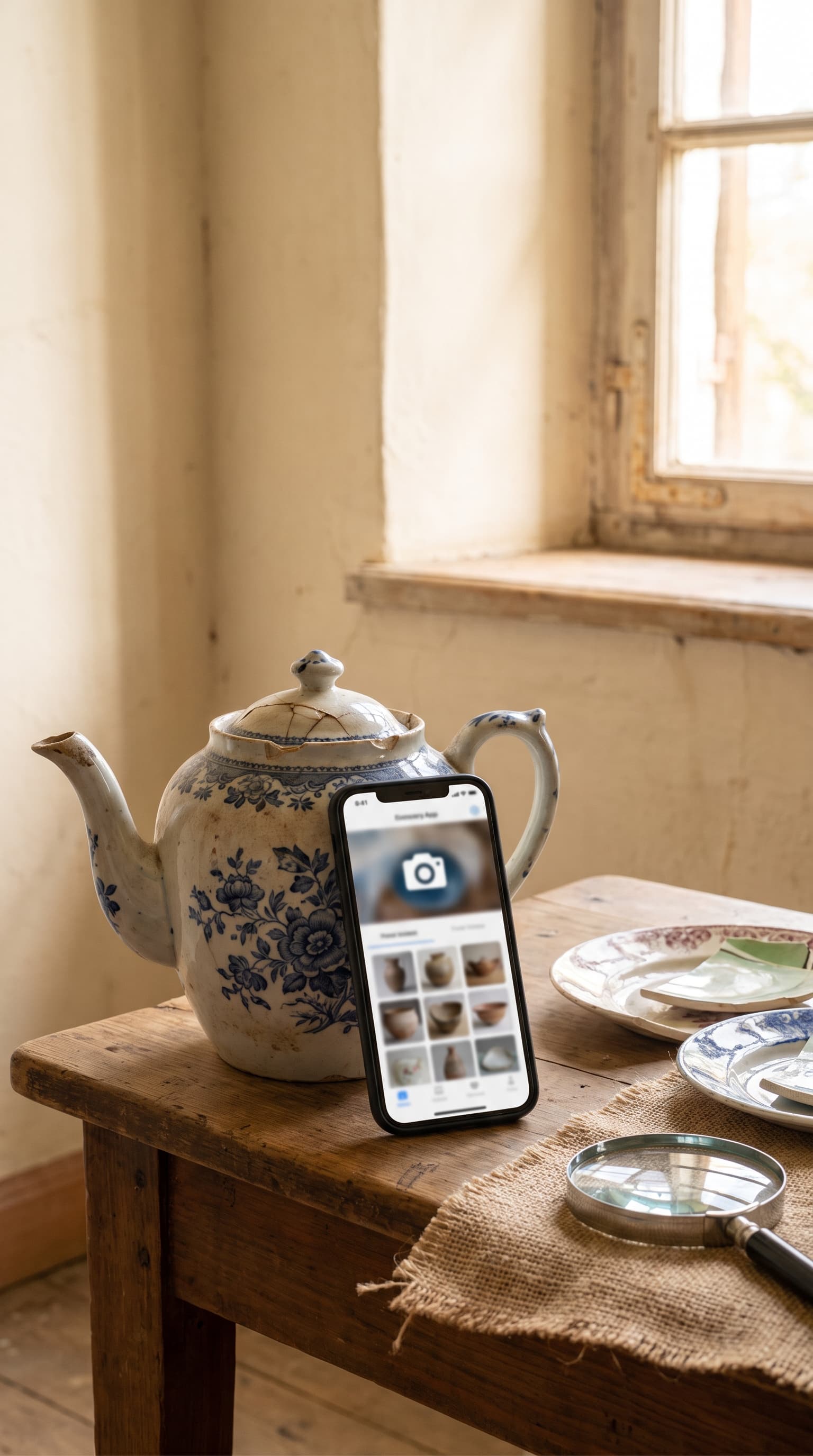
Why Porcelain Identification From Photos Matters
You've inherited a tea set with unfamiliar marks. You found a hand-painted vase at an estate sale. You're staring at a backstamp that looks like a crown with overlapping letters, and you have no idea where to start. Porcelain identification has traditionally meant hours of flipping through mark books, scanning forums, or paying for professional appraisals—even when you just need a starting point.
A porcelain identification app changes that. Instead of guessing or waiting days for answers, you can upload clear photos and get actionable information about maker, pattern, age range, and estimated value in minutes.
What Tocuro Does for Porcelain and China Collectors
Tocuro uses image recognition and market data to identify porcelain and china pieces from photos. Upload images of your piece—especially the backstamp and any decorative details—and Tocuro analyzes the visual signals to provide:
- •Maker identification based on backstamps, logos, and design characteristics
- •Pattern names when recognizable (especially for well-documented manufacturers like Wedgwood, Royal Doulton, Meissen, or Haviland)
- •Estimated age range based on mark style, decoration technique, and form
- •Value estimates drawn from recent sales and market signals, not formal appraisals
The tool works for fine porcelain, bone china, earthenware with porcelain glazes, and many ceramic pieces that fall somewhere in between. It's built for collectors who need quick answers without the friction of traditional research.
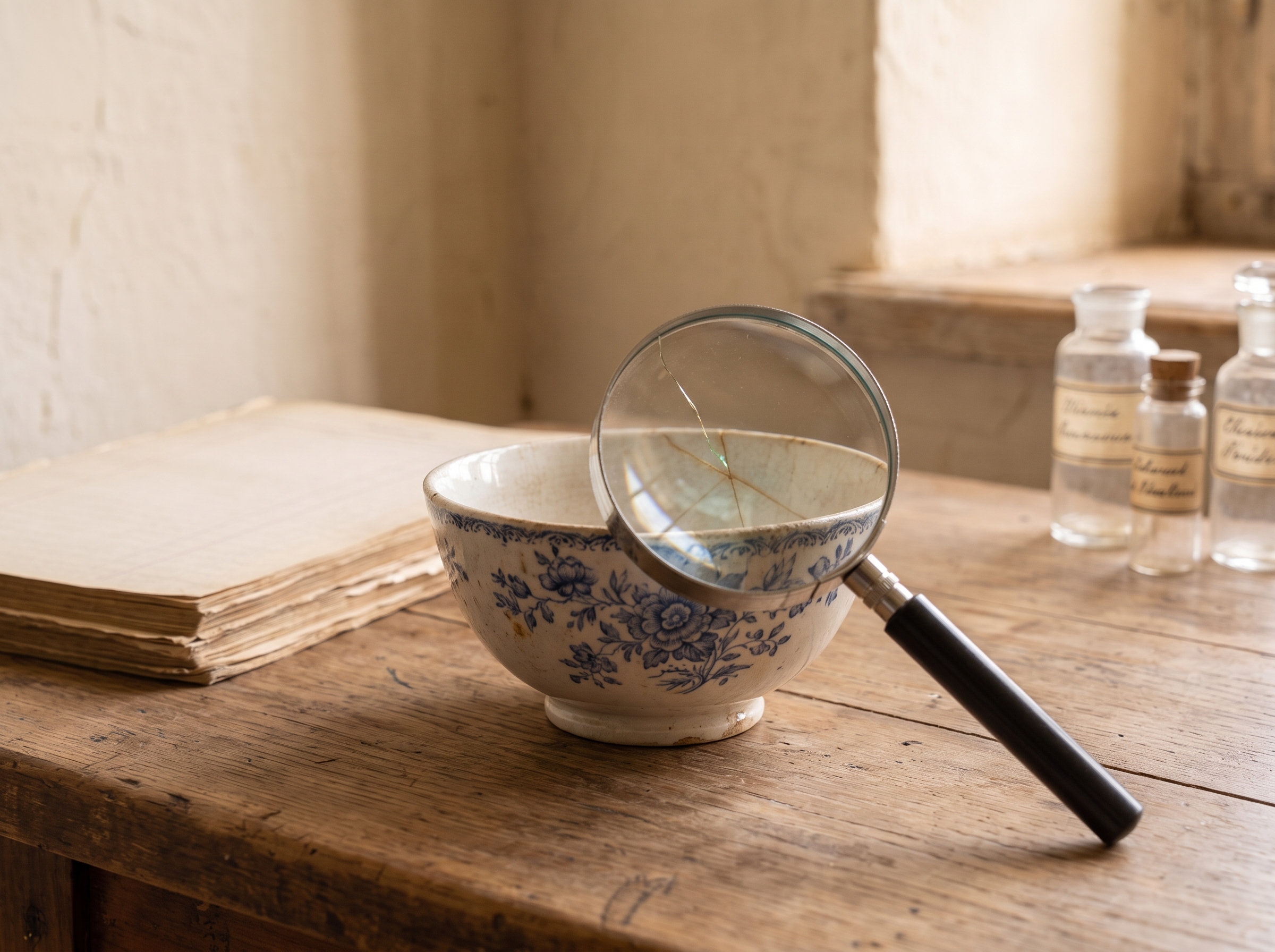
What You Get Free with a Porcelain Identification App
Tocuro gives you 7 free identifications per day. That count resets daily, so you can work through a shelf of inherited china, a thrift store haul, or a collection you're cataloging without paying upfront. Each identification includes:
- •Maker and manufacturer details when identifiable
- •Pattern or series information
- •Approximate date range
- •Estimated value range based on market signals
- •Context about the piece's collectibility and historical background
The free tier is genuinely useful for casual collectors, estate cleanouts, or anyone trying to figure out whether a piece is worth researching further. If you're working through larger volumes—say, you're a dealer inventorying weekly pickups—you'll eventually need a paid plan, but the daily reset keeps the tool accessible for most hobbyists.
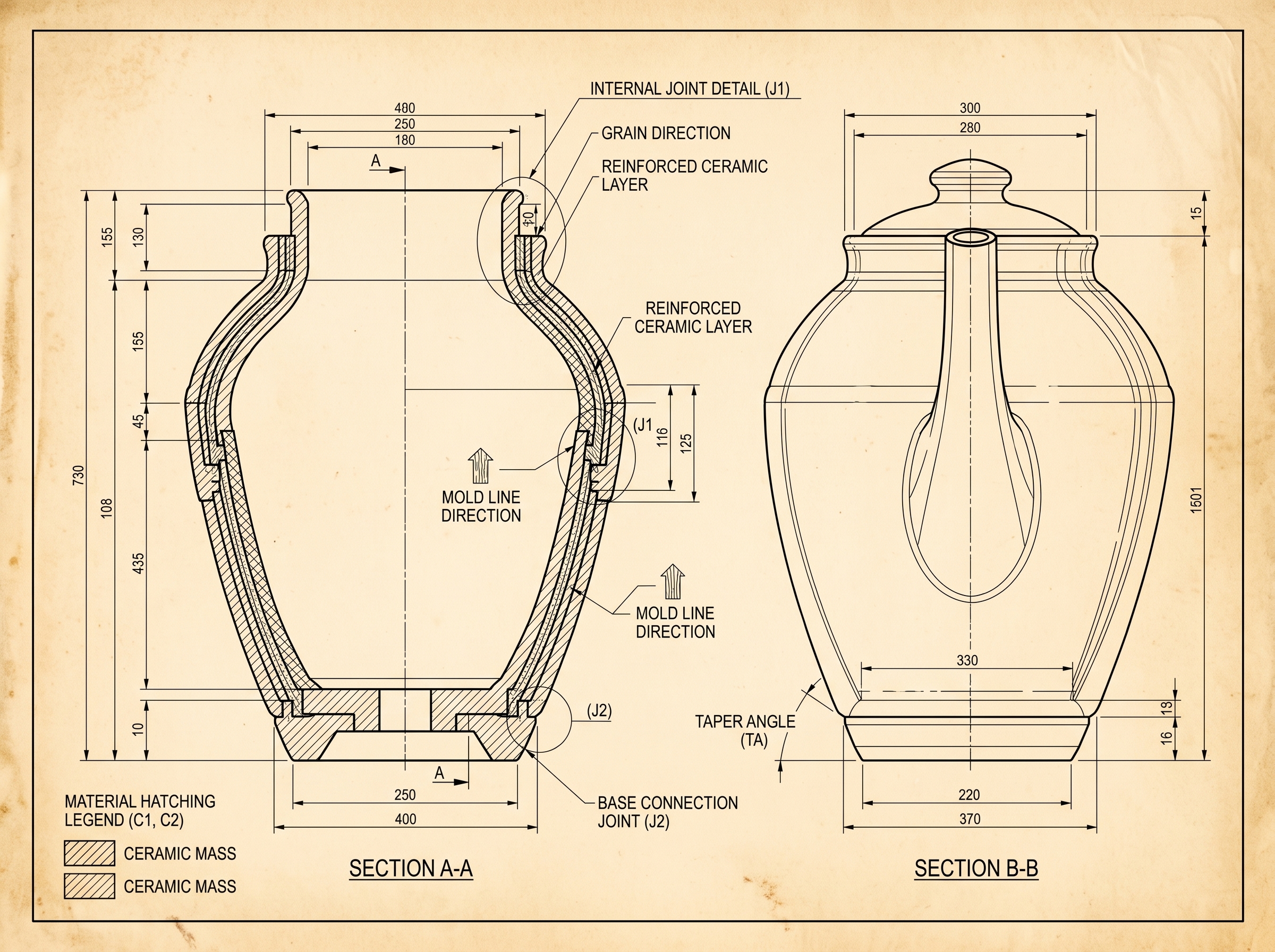
What Photo Quality Works Best for Porcelain Identification
Photo quality makes or breaks identification accuracy. Porcelain marks can be tiny, faint, or obscured by glaze. Patterns can look generic in poor lighting. Here's what helps most:
The backstamp or maker's mark
This is your single most important photo. Place the piece on a neutral surface, use bright, even lighting (natural light near a window works well), and get close enough that the mark fills most of the frame. If the mark is worn or under glaze, try angling the piece slightly to reduce glare. Tocuro's algorithms look for crown shapes, letter combinations, country-of-origin text, and registry numbers—all of which need to be legible.
Overall shape and form
A full-piece photo showing the silhouette helps narrow down the type (vase, plate, teacup, figurine) and sometimes the era. Stand back far enough to capture the entire piece without cutting off edges. Plain backgrounds work better than busy countertops.
Decorative details and glaze
Close-up shots of hand-painted details, gilding, transfer prints, or unusual glaze effects add context. These photos help distinguish between factory-produced transfer ware and hand-decorated pieces, which can significantly affect value. Focus on areas where the decoration is clearest.
Any damage or repairs
Cracks, chips, hairlines, and old repairs affect value estimates. A photo showing condition issues helps Tocuro provide a more realistic range. Don't hide the flaws—they're part of the story.
For more detailed guidance on capturing backstamps specifically, see our Porcelain Marks Guide: How to Read Backstamps and What Photos to Take.
When a Porcelain Identification App Has Limits
Photo-based tools like Tocuro work well for pieces with clear marks, recognizable patterns, or distinctive forms. They're less reliable in a few situations:
Unmarked or barely marked pieces: If there's no backstamp and the decoration is generic, identification becomes speculative. The app can sometimes narrow things down by form and glaze type, but you won't get a confident maker attribution.
Extremely rare or one-off pieces: Custom commissions, artist prototypes, or experimental wares may not appear in market databases. The app can often tell you what it resembles, but exact identification may require specialist knowledge.
High-value authentication questions: If you suspect you own a museum-quality Meissen figure or a rare Sèvres vase worth five figures, a photo app is a starting point, not a conclusion. Seek a hands-on appraisal from a specialist who can examine paste, weight, firing techniques, and provenance.
Condition-dependent value questions: While Tocuro accounts for visible damage in value estimates, subtle issues like restoration quality, crazing severity, or glaze stability require in-person assessment. Estimated value ranges are helpful for general decisions, but they're not formal appraisals.
For other types of ceramics that fall outside fine porcelain, try our Pottery Identification App: Identify Ceramics and Pottery from Photos.
Start Identifying Your Porcelain and China Today
Whether you're sorting through an estate, building a collection, or just curious about that vase in the attic, a porcelain identification app gives you the information you need without the runaround. Tocuro combines photo analysis with real market data to deliver maker, pattern, age, and value insights in minutes.
Try 7 Free IDs Today and see what your porcelain pieces can tell you.
Photo identification
Identify Your China
Use Tocuro to identify your item from a photo and get an estimated value range when market data is available.