
How to Clean Antique Furniture Safely Without Damaging Value or Finish
A practical guide to cleaning antique furniture without compromising value. Learn what to check before you clean, which methods preserve original finishes, and when professional conservation is worth the investment.
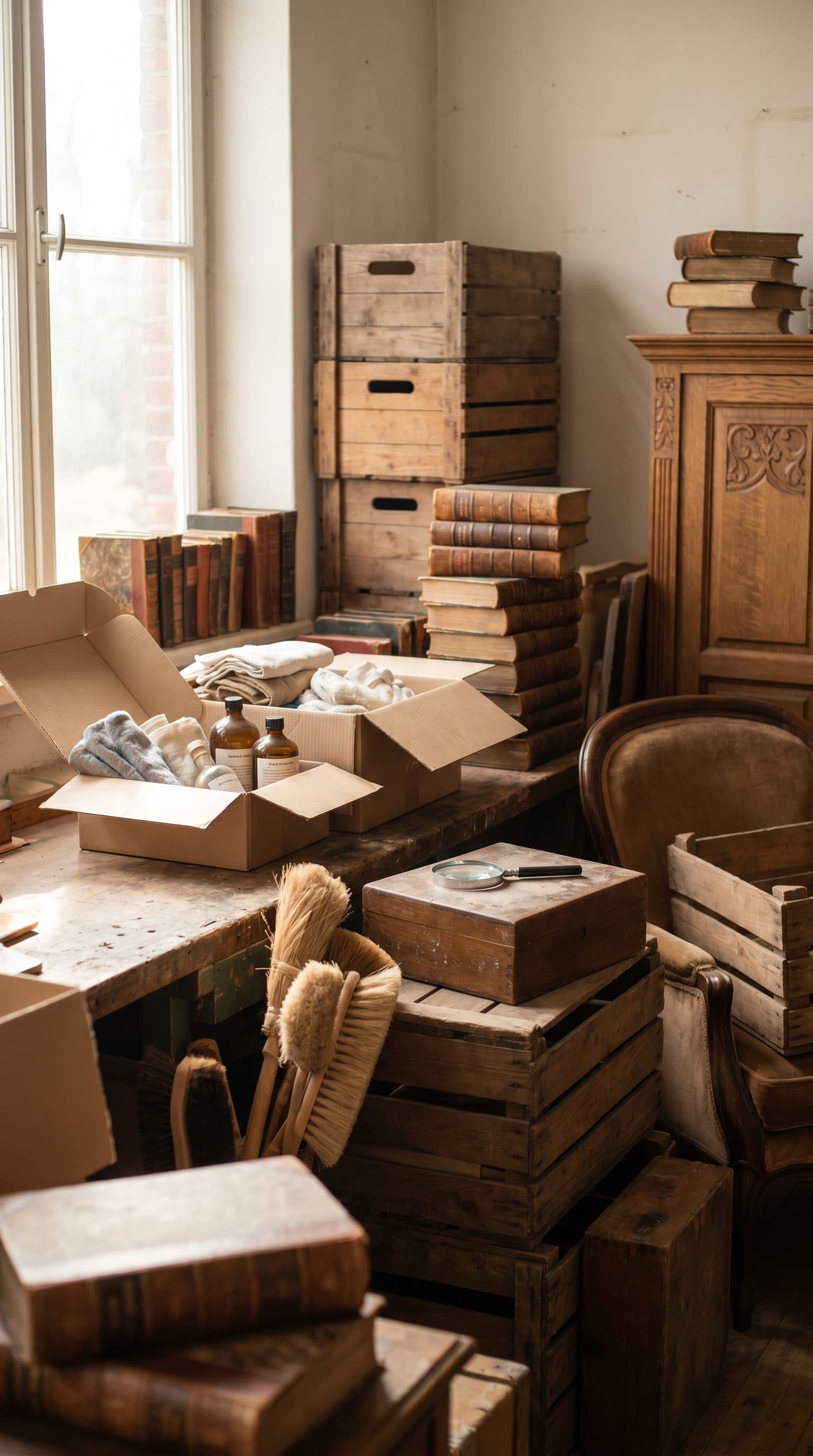
Cleaning Before You Display or Sell: Why Getting It Right Matters
You've just brought home a Victorian dresser from an estate sale, or you're finally ready to display that inherited walnut side table. Before it goes in your living room or gets photographed for sale, you need to clean it. But how to clean antique furniture safely—without stripping away the very patina that makes it valuable—requires a different approach than modern pieces.
The wrong cleaner can dissolve shellac, strip off century-old wax, or cloud a French polish in seconds. The right approach preserves both the beauty and the market value of the piece.
This guide walks you through what to check first, when gentle cleaning is enough, and when you should leave it alone entirely.
What to Check Fast: Know Your Finish Before You Touch It
Before you reach for any cloth or cleaner, spend two minutes identifying what you're working with.
Test in an inconspicuous spot first. The back of a leg, inside a drawer, or under the apron are ideal. Dampen a white cotton cloth with water and gently rub a small area. If color transfers to the cloth, the finish is unstable and needs professional attention.
Identify the finish type. Antique furniture can have shellac, lacquer, oil, wax, varnish, or French polish. Each reacts differently to solvents. Shellac dissolves in alcohol. Lacquer softens with acetone. Water can cloud some finishes or raise the grain on bare wood. If you're unsure, assume it's delicate.
Look for veneer and inlay. Thin veneer can lift if moisture seeps underneath. Inlaid wood, mother-of-pearl, or brass details need extra care. Never soak these areas or use excessive water.
Check for structural damage. Loose joints, cracks, or areas where the finish is flaking off should be stabilized before cleaning. Cleaning won't fix structural issues, and moisture can make them worse.
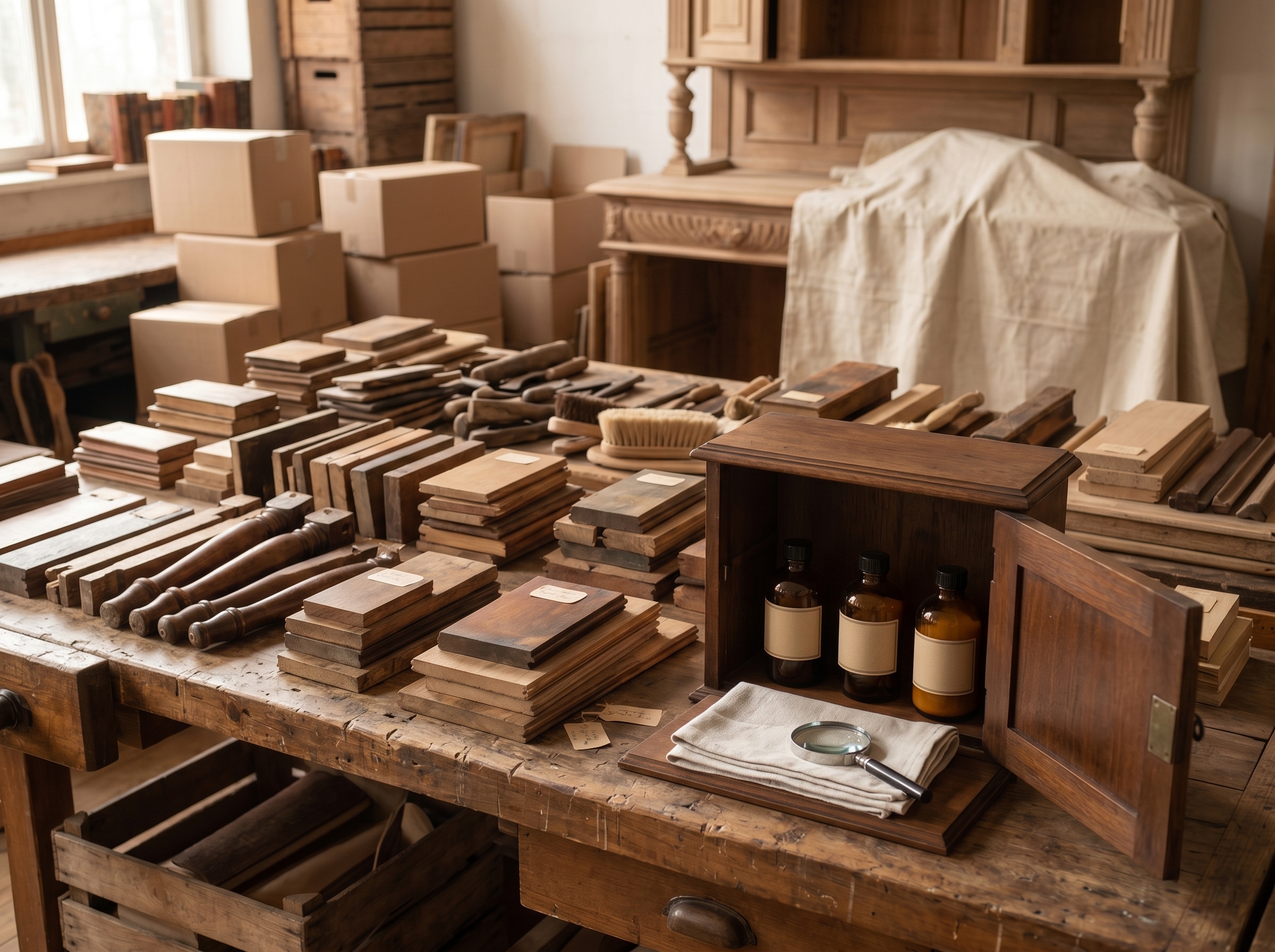
What's Worth Cleaning vs. What's Worth Leaving Alone
Not every antique needs a deep clean. Sometimes the dirt is the patina.
Surface dust and grime
This is almost always safe to remove. Use a soft, dry microfiber cloth or a natural bristle brush to remove loose dust. For stuck-on grime, a barely damp cloth—wrung out until nearly dry—can lift dirt without saturating the wood. Work in the direction of the grain.
Old wax buildup
Layers of paste wax can dull a finish over decades. You can gently remove excess wax with a cloth dampened with mineral spirits, but go slowly. Test first. Too much rubbing can remove the finish underneath. If the piece has a warm glow under the buildup, it's often worth the effort.
Authentic patina and oxidation
This is the natural darkening and wear that comes with age. On many antiques, patina is part of the value. Don't try to make a 150-year-old piece look factory-fresh. Collectors and dealers often prefer the aged look, especially on original finishes. If you're planning to sell antique furniture, over-cleaning can actually lower the price.
Stains, water rings, and finish damage
These require more than cleaning—they need restoration. Attempting to remove them with abrasive cleaners or solvents can make things worse. If a piece is valuable or historically significant, consult a conservator before attempting repairs.
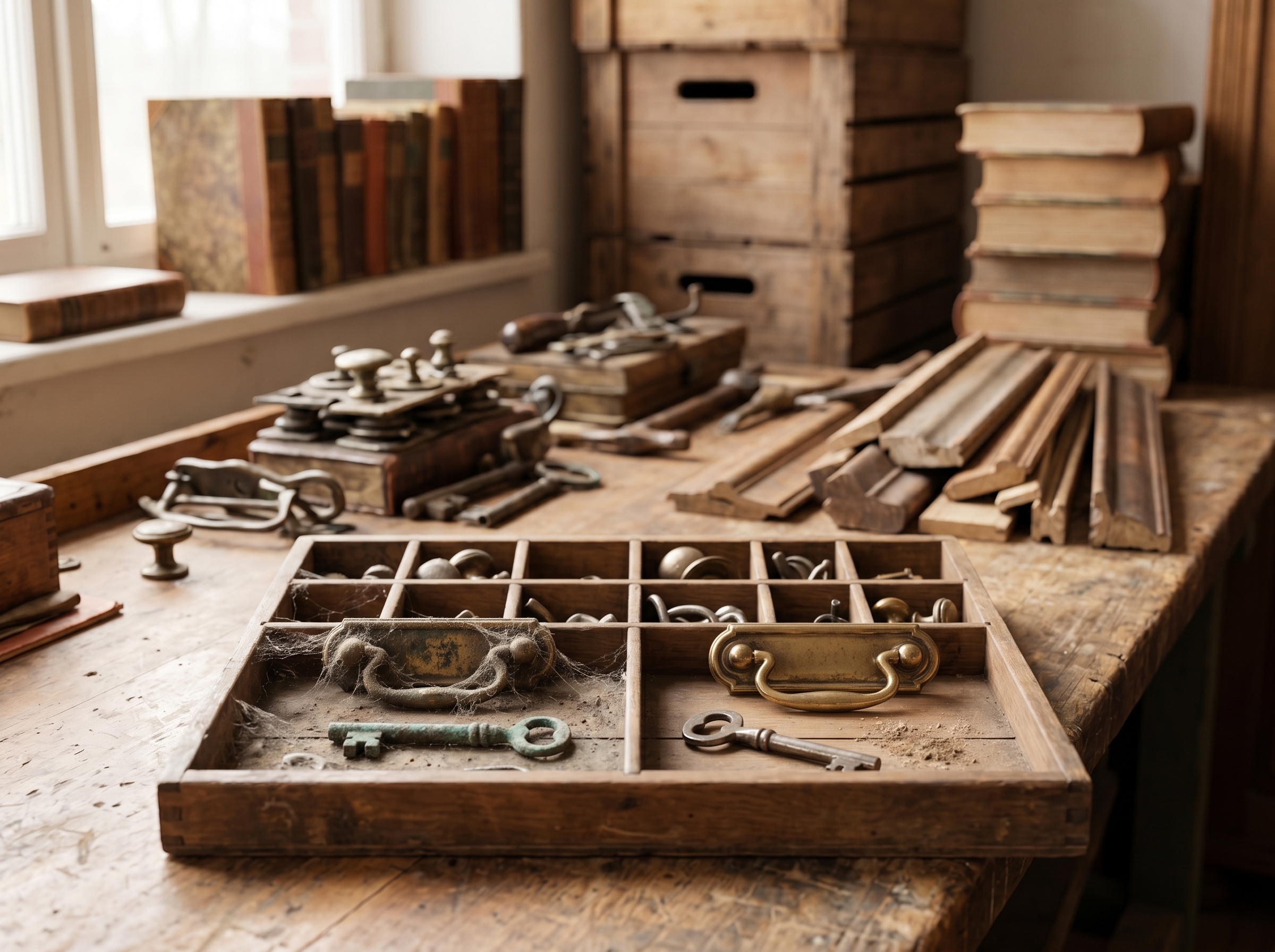
How to Clean Antique Furniture: Step-by-Step Methods
Once you've assessed the piece, here's how to proceed safely.
The gentle approach: dust and light cleaning
- •Remove all loose dust with a dry microfiber cloth or soft brush
- •Mix a small amount of mild dish soap (a few drops) in a bowl of lukewarm water
- •Dampen—don't soak—a soft white cotton cloth in the solution and wring it out thoroughly
- •Wipe the surface gently, working in small sections and following the grain
- •Immediately follow with a dry cloth to remove any moisture
- •Let the piece air-dry completely in a room with moderate humidity
This method works for most stable finishes and won't harm original patina.
Wax removal and polishing
If the piece has heavy wax buildup:
- •Test mineral spirits on an inconspicuous area first
- •Dampen a soft cloth with mineral spirits (not soaking)
- •Rub gently in the direction of the grain to dissolve old wax
- •Change to a clean section of cloth frequently to avoid redistributing dirt
- •Once clean, let the piece dry for 24 hours
- •Apply a thin coat of high-quality paste wax if desired, buffing gently
Never use furniture polish sprays on antiques—they can leave residue that's hard to remove and may react with original finishes.
When not to clean at all
Leave the piece as-is if:
- •The finish is flaking, crazed, or unstable
- •You see active veneer lifting or bubbling
- •The piece is museum-quality or exceptionally rare
- •You're unsure of the finish type and the piece is valuable
In these cases, get a professional opinion before proceeding. A conservator can stabilize finishes and clean safely without risking damage.
Cleaning as Part of Your Collecting Workflow
If you're actively collecting, cleaning becomes part of documentation and care. Before you clean a newly acquired piece, photograph it thoroughly. Capture details of the finish, any maker's marks, construction methods, and existing wear patterns. These photos are valuable references, especially if you later want to identify the style or estimate value.
Tocuro can help here. Snap photos of the piece as-found, and Tocuro's identification tool analyzes construction details, wood type, and stylistic markers to give you context before you start cleaning. Knowing whether you have a mass-produced 1920s oak table or a hand-crafted Stickley piece changes how you approach care—and whether aggressive cleaning is even appropriate. You get 7 free identifications per day, and the count resets daily, so you can easily catalog pieces as you bring them home.
Once you know what you have, you can make informed decisions about cleaning, display, and long-term preservation.
Common Mistakes to Avoid
Don't use commercial furniture polish. Silicone-based sprays can create buildup that's nearly impossible to remove and can interfere with future refinishing.
Don't over-wet the surface. Excess water can raise grain, cloud finishes, cause veneer to lift, or seep into joints and cause swelling.
Don't use abrasive pads or scouring products. Steel wool, scrub sponges, and abrasive cleaners will scratch finishes and remove patina.
Don't assume all antiques should look new. A century-old piece should look its age. Over-restoration can strip character and reduce collector appeal.
When to Call a Professional
If you're dealing with a high-value piece, significant damage, or an unfamiliar finish, a furniture conservator is worth the investment. Professional conservation maintains value far better than DIY attempts on important pieces. Before listing a valuable item for sale, professional cleaning and documentation can justify a higher asking price and attract serious buyers.
Start Documenting and Caring for Your Collection
Cleaning antique furniture safely is about knowing when to intervene and when to step back. The goal isn't perfection—it's preservation. By understanding your piece's finish, using gentle methods, and documenting condition along the way, you protect both the object and its value.
Ready to identify what you've got before you clean it? Start using Tocuro to catalog your finds, get identification help from photos, and build a collection you're proud to display or pass on.
Collector workflow
Start Collecting
Save your finds, track what you own, and turn one-off discoveries into a collection.