
When to Hire Furniture Appraisers: Expert vs. Fast Estimate
Not every piece of furniture needs a formal appraisal. This guide explains what furniture appraisers actually do, when their services are worth the cost, and when a fast photo-based estimate gives you everything you need to move forward.

When to Hire Furniture Appraisers: Expert vs. Fast Estimate
You've got a piece of furniture and you need to know what it's worth. The question isn't always whether to hire furniture appraisers—it's whether you actually need one. Professional appraisals cost money and take time, and for many situations, a quick estimate based on market signals gets you the answer you need without the wait or expense.
Understanding when formal appraisal services make sense versus when a photo-based tool like Tocuro is enough can save you both time and money while still giving you the information you're looking for.
What People Actually Mean by "Value"
When you ask what your furniture is worth, you're usually asking one of three very different questions:
Insurance replacement value is what it would cost to replace the piece with something comparable if it were damaged or stolen. Insurance companies often require formal appraisals with this specific number, prepared by certified professionals.
Fair market value is what a willing buyer would pay a willing seller in the current market. This is the number you need for estate planning, divorce settlements, charitable donations, or tax purposes. It's also what certified furniture appraisers are trained to document.
Realistic selling price is what you can actually expect to get if you list the piece today on Craigslist, eBay, or at an estate sale. This is usually lower than fair market value and varies wildly based on your local market, the season, and how quickly you need to sell.
Most people searching for furniture appraisers actually need that third number—a realistic range they can use to price something for sale, decide whether to keep or sell, or simply satisfy their curiosity.
What Affects Furniture Prices
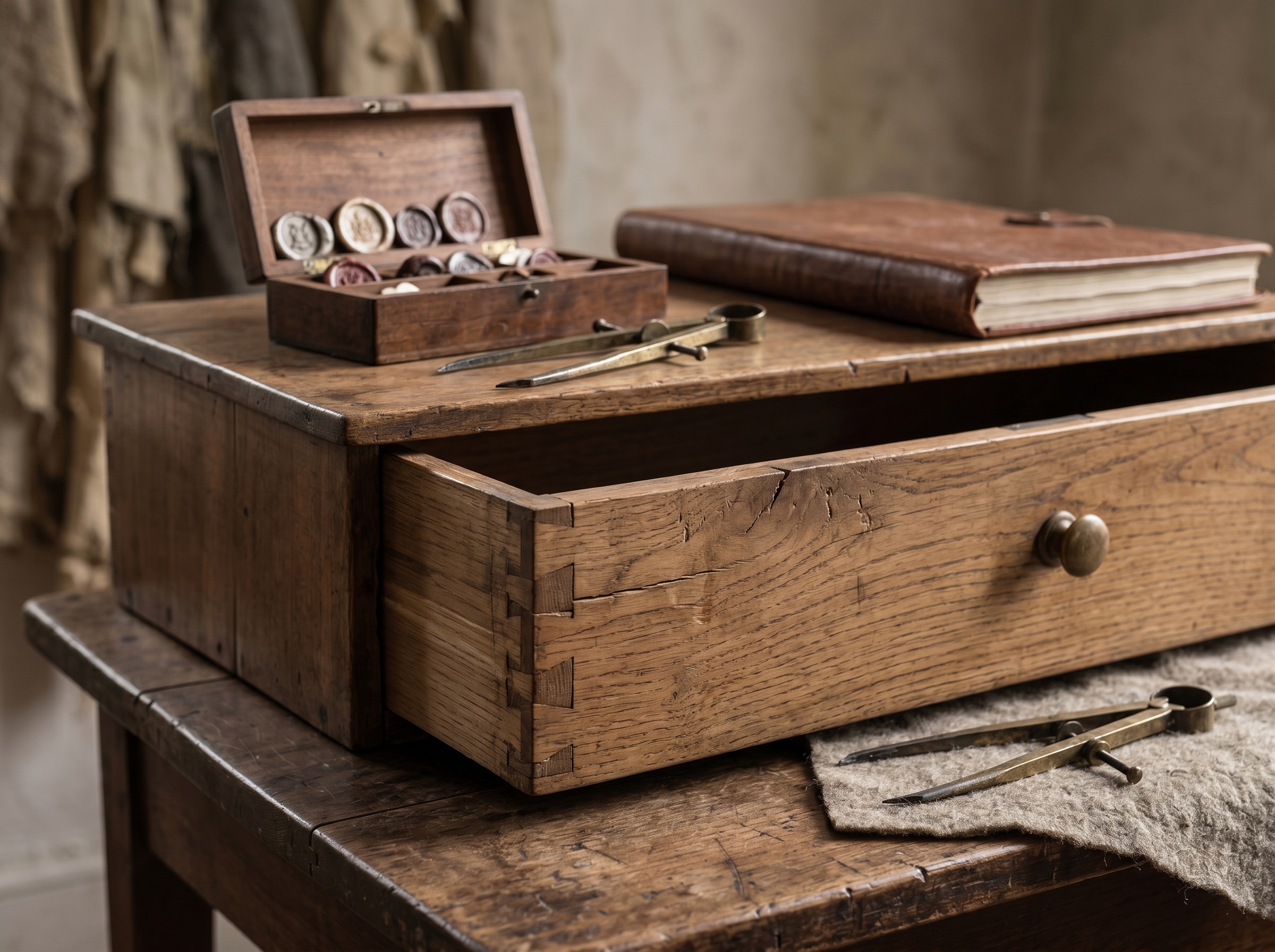
Before you decide whether to hire furniture appraisers, it helps to understand what makes one piece worth $50 and another worth $5,000.
Provenance and maker can multiply value dramatically. A signed Stickley piece or a documented regional craftsman commands premiums that generic examples never will. But provenance requires documentation, and most inherited furniture doesn't come with it.
Condition and originality matter more than most people expect. Original finish, hardware, and upholstery increase value. Refinishing often cuts it in half. Structural damage, amateur repairs, or replaced parts all reduce what buyers will pay.
Current market demand shifts constantly. Mid-century modern exploded in value over the past decade. Victorian pieces that sold for thousands in the 1980s now struggle to find buyers at any price. What's hot today may be cold next year.
Local versus national markets create different price realities. A country Sheraton chest might sell for $800 in New England and $200 in Arizona. Shipping costs and regional taste matter more than most sellers realize.
Understanding these factors helps you decide whether you need documentation from furniture appraisers or just a ballpark range to make a practical decision.
Estimate vs. Formal Appraisal: The Real Difference
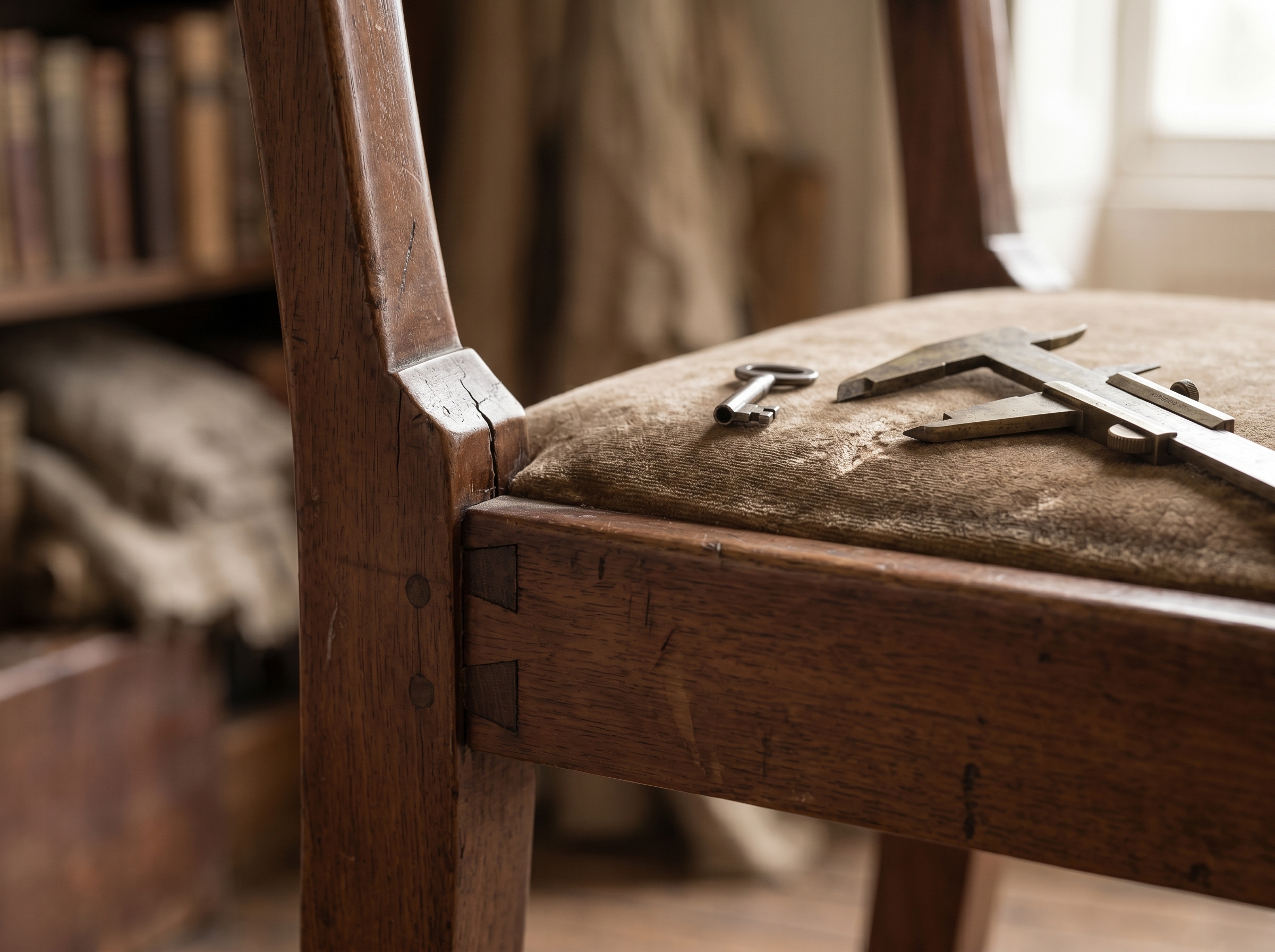
A formal appraisal is a written document prepared by a certified professional, typically following USPAP (Uniform Standards of Professional Appraisal Practice) guidelines. It includes detailed research, comparable sales data, condition assessment, and a defendable value conclusion. Appraisals cost anywhere from $150 to $500+ per item, depending on complexity and the appraiser's credentials.
You're paying for expertise, yes, but you're mainly paying for a legally defensible document that insurance companies, courts, the IRS, and estate attorneys will accept.
An estimate is an educated opinion about value range based on visual assessment and current market signals. It's what dealers give you when you walk into a shop, what auction houses provide during consignment discussions, and what photo-based tools like Tocuro generate from images. Estimates don't carry legal weight, but they're usually accurate enough for personal decisions.
The difference isn't accuracy—experienced dealers often nail values as well as appraisers. The difference is documentation and professional accountability.
When Furniture Appraisers Are Worth the Cost
You genuinely need professional furniture appraisers when:
Insurance Coverage
Your homeowner's policy requires formal appraisals for high-value items, especially if you need a rider for pieces worth over your coverage limits. Insurance adjusters don't accept photo estimates when processing claims.
Estate Settlement and Taxes
Executors need appraisals for probate, estate tax filings, and equitable distribution among heirs. The IRS requires qualified appraisals for estate values over certain thresholds, and informal estimates won't satisfy that requirement.
Charitable Donations Over $5,000
Donating furniture to museums or nonprofits triggers IRS rules requiring qualified appraisals. You can't take a tax deduction based on your own estimate or a photo-based value range.
Divorce Proceedings
When furniture becomes part of asset division, courts expect certified appraisals. Both parties need defensible numbers that can withstand legal scrutiny.
Authentication of High-Value Pieces
If you believe you own a museum-quality piece by a significant maker, professional authentication often comes bundled with formal appraisal. Experts examine construction details, materials, and marks in person—something no photo can fully capture.
When a Photo-Based Estimate Is Enough
Most everyday furniture decisions don't require furniture appraisers. A fast estimate works perfectly when you're:
Pricing items for sale. You need a realistic range to set your asking price on Facebook Marketplace, Craigslist, or at an estate sale. Spending $300 on an appraisal for a dresser worth $400 doesn't make sense.
Deciding whether to keep or sell. Curiosity is a valid reason to want a value, but you don't need a formal document to decide if grandma's sideboard is worth moving across the country.
Evaluating potential purchases. Before you buy at an estate sale or antique shop, a quick check helps you know whether the asking price is reasonable.
Sorting an estate quickly. When you're facing a houseful of furniture and need to triage what's valuable versus what goes to donation, batch estimates beat hiring furniture appraisers for every single piece.
Understanding rough value for planning. Maybe you'll need a formal appraisal later, but right now you just want to know if you're dealing with $500 worth of furniture or $5,000 before you invest in the appraisal.
For a deeper look at what free photo-based tools actually provide, our guide explains the realistic expectations and limitations.
How to Use Tocuro Before Hiring Furniture Appraisers
Tocuro gives you a smart first step before committing to expensive professional services. Here's how to use it effectively:
Start with clear photos. Capture the overall piece, close-ups of joinery and construction details, any maker's marks or labels, hardware, and condition issues. The more visual information you provide, the more accurate the identification and value range. If you need guidance on what photos reveal most, that helps you prepare.
Get your baseline value range. Tocuro provides estimated value based on current market signals—not a formal appraisal, but a realistic range that reflects what similar pieces actually sell for. This estimate is free for your first seven identifications per day, and the count resets daily.
Decide whether you need more. If the estimate shows your piece is worth $200-400, hiring furniture appraisers doesn't make financial sense unless you have a legal requirement. If the range is $2,000-5,000 and you're dealing with insurance or estate issues, now you know professional appraisal is worth the investment.
Use the information to ask better questions. When you do contact furniture appraisers, you'll already know the style, period, and approximate value. That helps you find the right specialist and have more productive conversations about their services and fees.
For understanding how to get realistic value ranges quickly, our detailed guide walks through the process.
Start With a Photo, Not a Phone Call
Before you spend hundreds on furniture appraisers, spend five minutes getting a market-based estimate. Most pieces don't need formal appraisals—they need practical answers you can act on.
Upload a photo to Tocuro and get an identification with estimated value range based on current market signals. You'll know within minutes whether you're holding onto something valuable enough to warrant professional appraisal or whether you've got the information you need to price it, sell it, or simply understand what you own. Seven free identifications per day, with the count resetting daily, means you can evaluate multiple pieces without any upfront cost.
Save the furniture appraisers for when you genuinely need that formal document. For everything else, start with what you can learn from a photo.
Photo-based estimate
Estimate Your Furniture Value
Use Tocuro to identify your item from a photo and get an estimated value range when market data is available.