
Free Antique Appraisal Online: What You Actually Get (and When You Need More)
When you search for free antique appraisal online, you're usually looking for a realistic value range—not a formal document for insurance or sale. This guide explains what free tools can tell you, how estimated value differs from certified appraisal, and when Tocuro's photo-based approach gives you everything you need to make smart decisions about your furniture.
What People Really Want From a Free Antique Appraisal Online
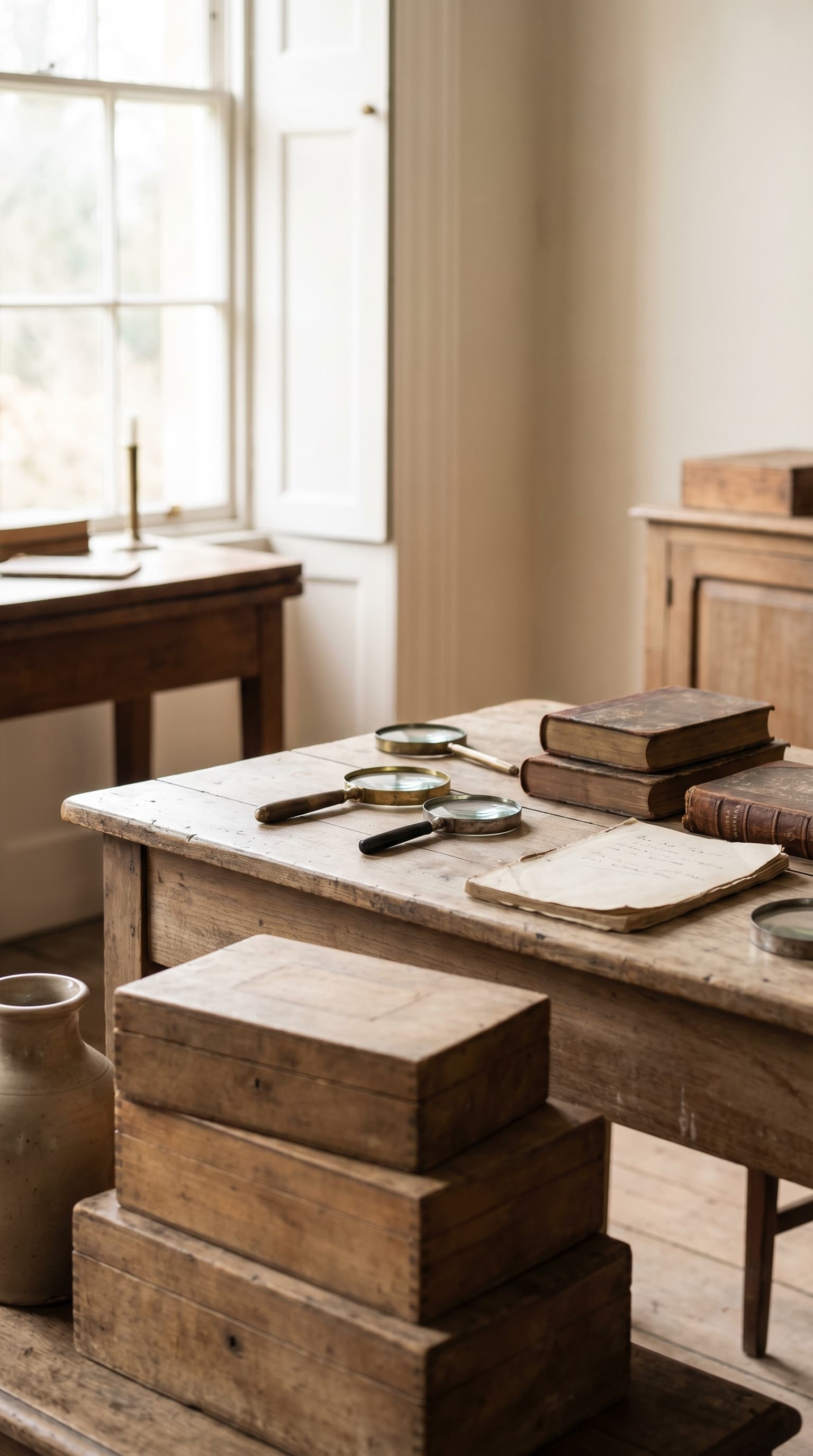
When you type "free antique appraisal online" into search, you're probably not looking for a three-page certified document. You want to know: Is this furniture worth keeping? Should I sell it? Is it worth restoring? Am I sitting on something valuable, or is it just old?
Most of us inherit furniture, find pieces at estate sales, or live with hand-me-downs without knowing their story. A free antique appraisal online is about getting enough information to make a decision—whether that's listing a piece, insuring it, keeping it, or just understanding what you own.
What you're actually after is an estimated value range based on similar sales, condition, age, and maker. That's different from a formal appraisal, and for most situations, it's exactly what you need.
What Actually Affects the Value of Antique Furniture
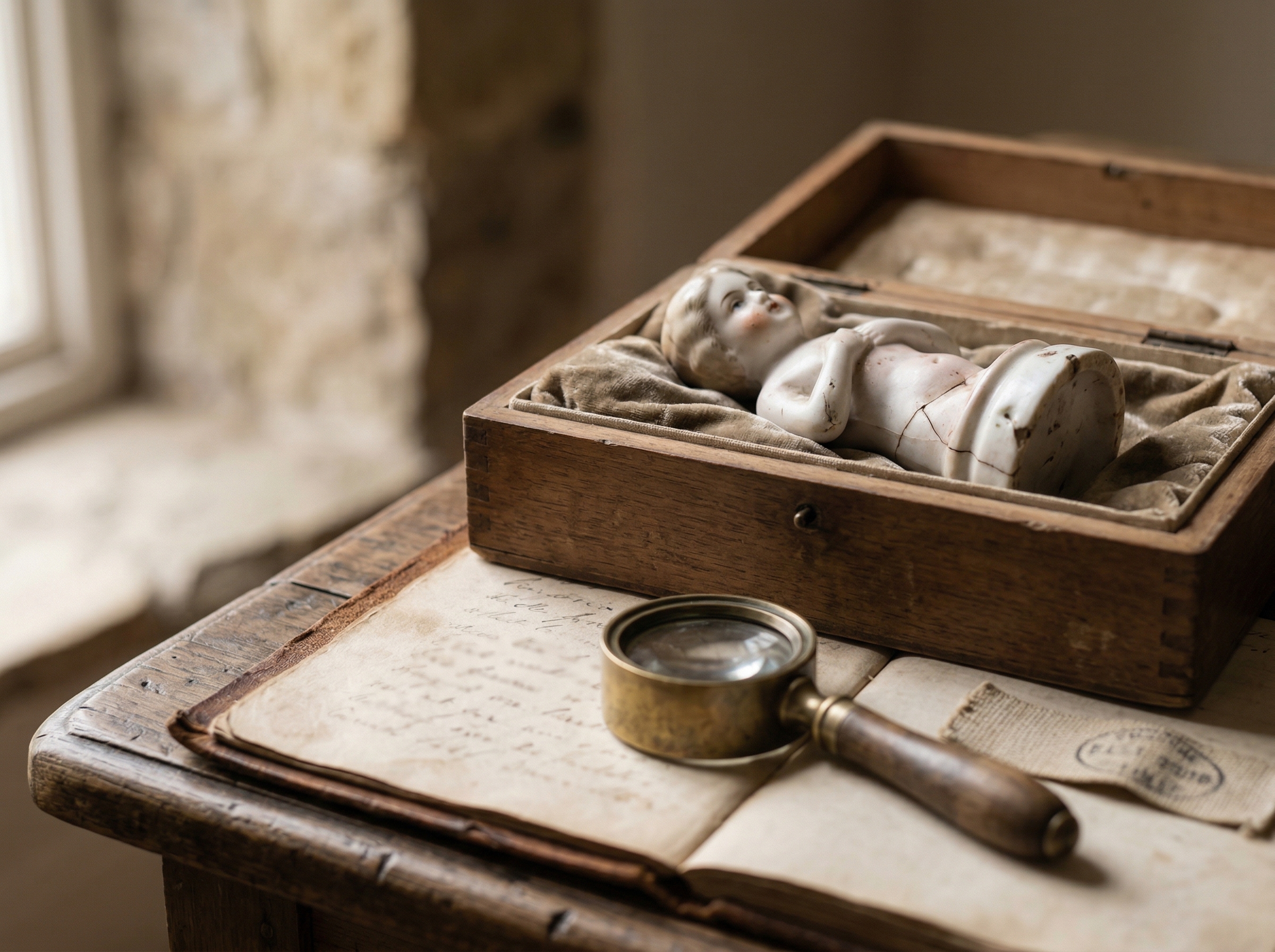
Before you upload photos or contact an appraiser, it helps to know what drives price. Furniture value isn't random—it follows patterns collectors and dealers recognize instantly.
Age and authenticity matter, but not the way most people think. A piece from 1920 isn't automatically worth more than one from 1970. What matters is whether it's an original example of a desirable style, made well, and intact.
Maker and provenance can multiply value. A signed Stickley rocker is worth far more than an unsigned Arts and Crafts chair, even if they look similar. Regional makers, documented ownership, and original labels all add weight.
Condition and originality often tip the scales. Original finish, hardware, and upholstery usually beat heavy restoration. Damage, amateur repairs, and missing parts all reduce value—sometimes dramatically.
Market demand shifts constantly. Mid-century modern stayed hot for years. Victorian furniture that sold well in the 1980s often struggles now. What's selling in your region might differ from national trends.
Size and function play a bigger role than aesthetics. A beautiful but massive sideboard is harder to sell than a smaller desk, simply because fewer people have space for it.
When you use a free antique identification app, these are the factors it weighs when estimating value.
Estimate vs. Formal Appraisal: Know the Difference
This distinction matters more than most people realize.
An estimated value is an educated guess based on comparable sales, condition visible in photos, and current market trends. It gives you a realistic range—often wide—that reflects what similar pieces have sold for recently. Most free antique appraisal online tools provide estimates, not appraisals.
A formal appraisal is a written document prepared by a certified appraiser who examines the piece in person. It includes detailed condition notes, provenance research, and a specific value figure tied to a purpose: insurance replacement, estate tax, charitable donation, or equitable distribution. Formal appraisals cost money—typically $100–$300 per hour—and follow professional standards set by organizations like the American Society of Appraisers.
Here's the key: Tocuro provides estimated value ranges, not formal appraisals. That's true for almost every photo-based tool you'll find online. The estimate helps you make informed decisions, but it won't satisfy an insurance company or the IRS.
When a Free Online Estimate Is Enough
You don't always need a formal appraisal. For many everyday situations, a solid estimate gets you where you need to go.
Deciding whether to sell is the most common use case. If you're wondering whether a dining set is worth listing online or donating, an estimate tells you if it's worth the effort. You can price competitively and move on.
Researching before you buy saves money and regret. Snap photos at an estate sale or antique mall, get a quick range, and decide on the spot whether the asking price is fair.
Sorting an estate informally helps families divide belongings without hiring an appraiser for every piece. You can identify what's valuable, what's sentimental, and what's neither.
Learning what you own satisfies curiosity and helps you care for pieces properly. Knowing a chair is Eastlake Victorian versus colonial reproduction changes how you approach cleaning and repairs.
Gauging repair costs becomes clearer when you know a piece's value range. If a table is worth $150 and repairs cost $300, you have your answer.
For these situations, Tocuro's photo-based approach gives you the information you need without paying for a formal visit.
When You Actually Need a Certified Appraiser
Some situations require the real deal.
Insurance coverage for valuable pieces almost always demands a formal appraisal. Insurers need documentation to write a rider or specialized policy, and they won't accept a photo-based estimate.
Estate tax filings must include certified appraisals for items above certain thresholds. The IRS has specific requirements, and a free online estimate won't meet them.
Charitable donations over $5,000 require a qualified appraisal if you want to claim the deduction. The appraiser must meet IRS standards and can't be the donor or recipient.
Legal disputes—divorce, probate contests, partnership dissolutions—need defensible valuations that hold up in court. An appraiser's credentials and methodology matter here.
High-value or rare pieces deserve expert eyes. If you suspect you own something exceptional—a signed masterwork, a rare form, documented provenance—hire someone who can research properly and stand behind a number.
In these cases, start with a free antique appraisal online to understand what you're dealing with, then find a certified appraiser who specializes in your piece's category. The estimate helps you ask better questions and avoid paying for appraisals on items that don't need them.
How to Use Tocuro for Free Antique Appraisal Online
Tocuro gives you 7 free identifications per day, and the count resets daily. Each identification includes an estimated value range based on market signals, plus details about age, style, maker (when identifiable), and what affects the price.
Here's how to get the most accurate results:
Photograph the whole piece in good, even light. Stand back far enough to capture proportions and overall form. Blur and shadows make identification harder.
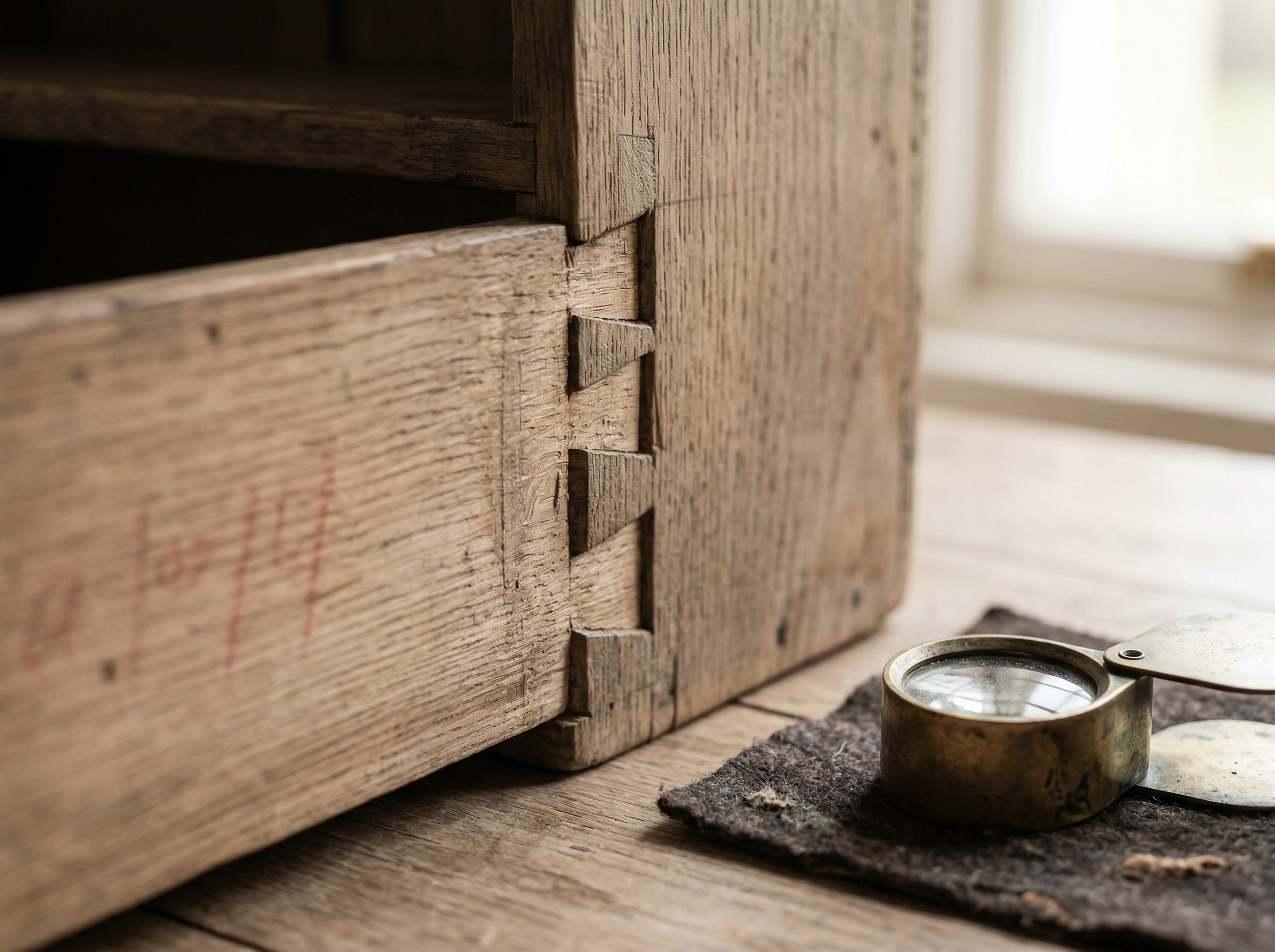
Capture details that matter: joinery (how parts connect), hardware (hinges, pulls, escutcheons), legs and feet, any carving or inlay, and the underside or back where construction shows.
Include marks and labels. Maker's marks, labels, stamps, and even old price tags provide crucial clues. Photograph them clearly, close enough to read.
Show condition honestly. Damage, repairs, refinishing, and wear all affect value. Don't hide them—accurate estimates depend on seeing the piece as it is.
Tocuro identifies the piece, dates it when possible, explains what you're looking at, and provides a value range based on recent comparable sales. You can photograph multiple pieces throughout the day, using your free identifications to sort through an estate, research a collection, or just understand what's in your home.
If you're trying to identify antique furniture you've inherited or purchased, this first step costs nothing and gives you a foundation for every decision that follows.
Start With Photos, Decide From There
Most people searching for free antique appraisal online don't need a $300 certified document. They need to know what they own, what it's worth in today's market, and whether it's time to sell, keep, or investigate further.
Tocuro's photo-based estimates give you that starting point. Seven free identifications daily means you can work through a houseful of furniture without spending a dime, getting value ranges and context for each piece. When you find something that warrants deeper research or formal appraisal, you'll know—and you'll have the information you need to hire the right expert.
For everything else, a solid estimate and clear explanation are enough to move forward confidently.
Try 7 Free IDs Today and see what your furniture is actually worth.
Photo-based estimate
Estimate Your Furniture Value
Use Tocuro to identify items from photos and see what you are holding.