
Figurine Identification App: Identify Figurines from Photos and Get Value Estimates
Tocuro's figurine identification app helps collectors identify ceramic, porcelain, and metal figurines from photos, providing maker attribution, dating information, and market-based value estimates without needing to visit an appraiser.
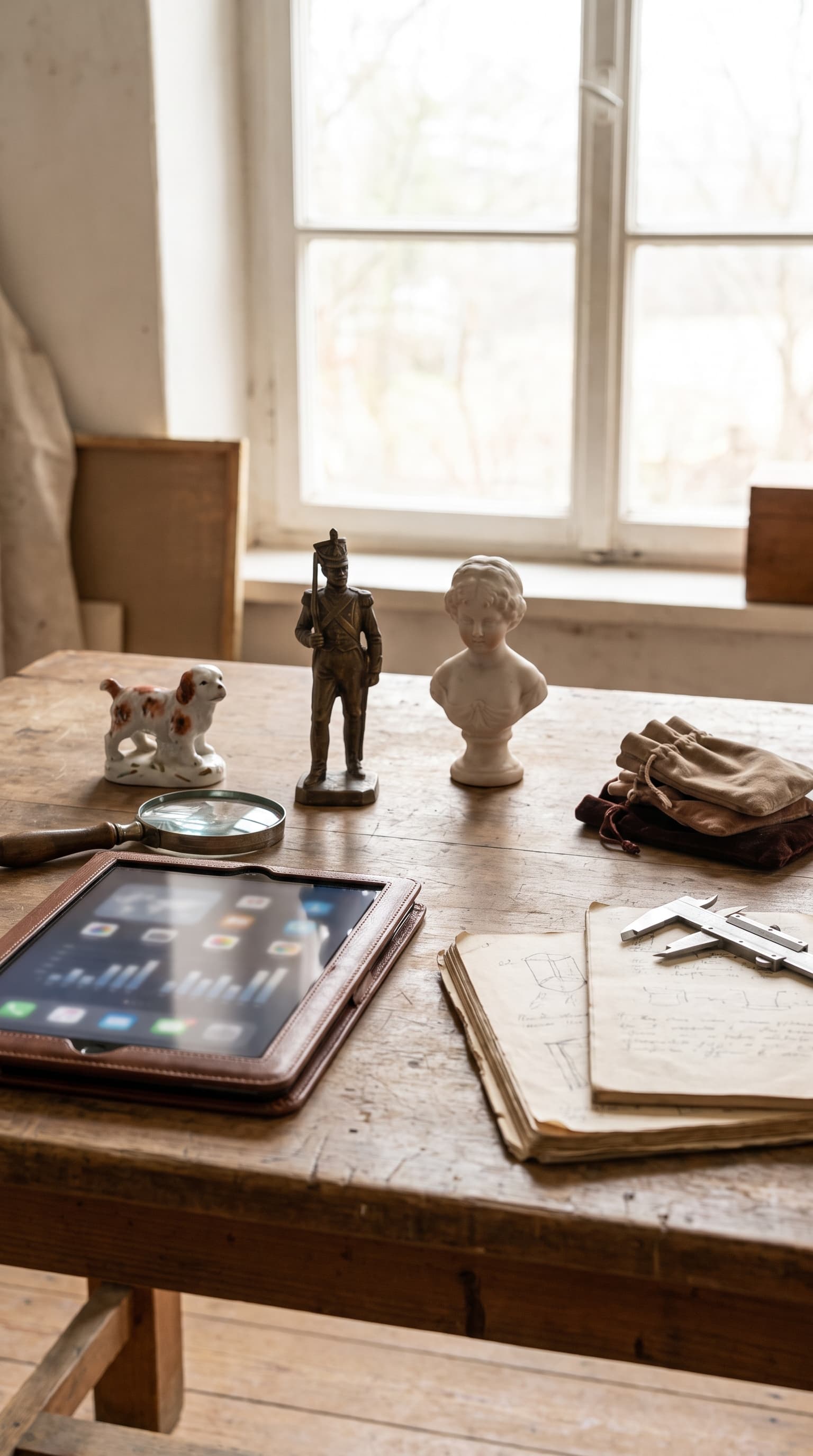
Identify Your Figurines Without Leaving Home
You've found a graceful ballerina in a thrift store, inherited a collection of animal figures from your grandmother, or discovered a porcelain couple tucked away in an estate sale box. The base might show a mark you don't recognize, or no mark at all. Traditional identification means photographing marks, searching databases, posting in forums, and waiting days for answers that may never come.
A figurine identification app changes that timeline from days to minutes. Tocuro analyzes photos of your figurines—ceramic, porcelain, metal, resin, or composite—and returns maker information, approximate age, style attribution, and estimated value ranges based on recent market activity.
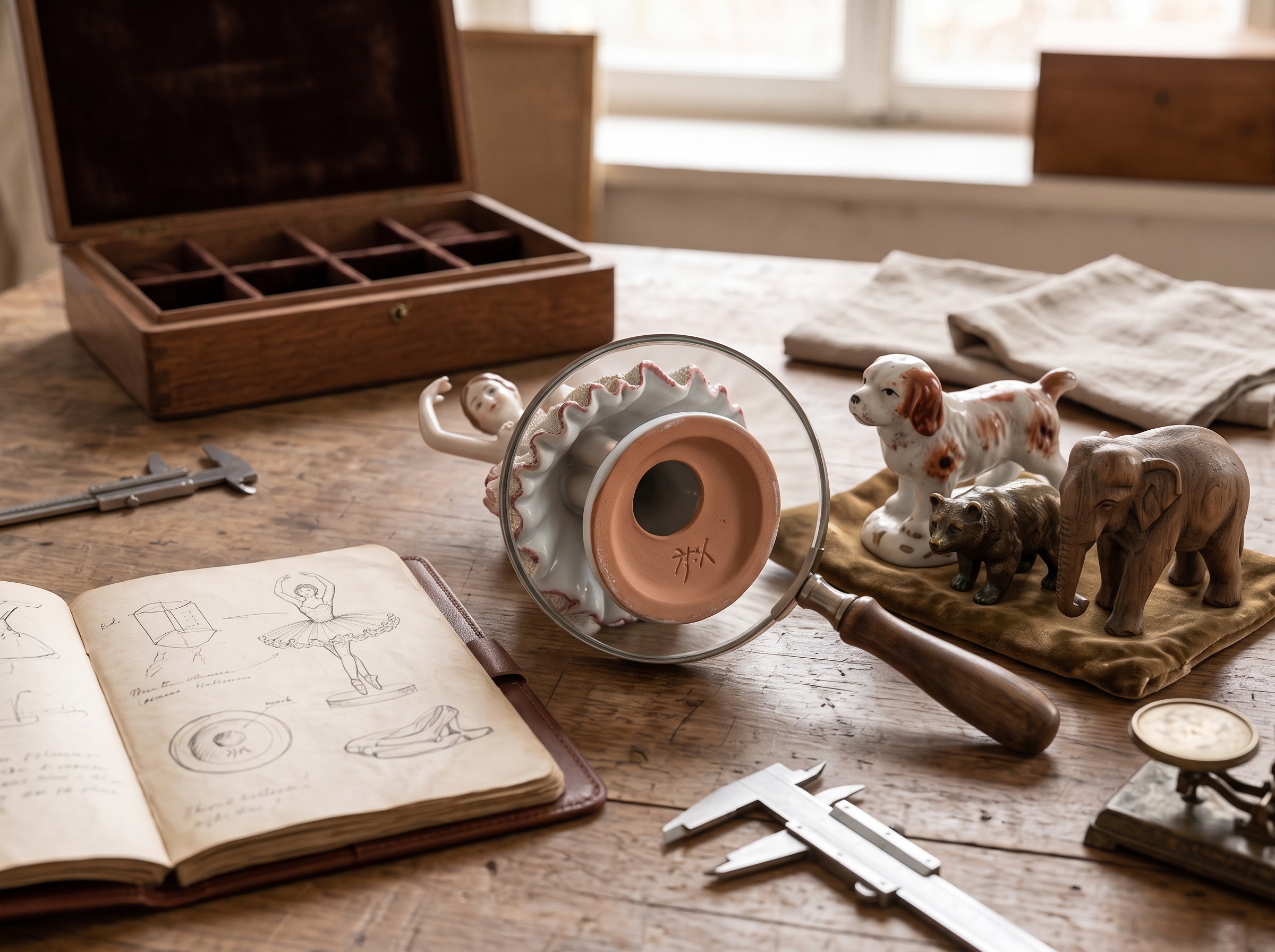
How Tocuro's Figurine Identification App Works
Take clear photos of your figurine from multiple angles, including the base. Upload them to Tocuro through the app or web interface. Within moments, you'll receive:
- •Likely maker or manufacturer (Hummel, Lladró, Royal Doulton, Dresden, Occupied Japan, etc.)
- •Material composition (porcelain, bone china, bisque, ceramic, metal)
- •Approximate production era or date range
- •Style classification (Art Deco, Victorian, mid-century, folk art)
- •Estimated value range drawn from recent auction results, dealer pricing, and online marketplace sales
The identification process works best when you capture the figurine's distinctive features: face details, costume elements, glaze quality, hand-painting nuances, and especially any marks, stamps, or incised signatures on the base. Tocuro's technology recognizes maker's marks and cross-references visual characteristics with known production styles to narrow down attribution.
Value estimates reflect current market signals rather than formal appraisals. They give you a practical starting point for pricing, insurance documentation, or deciding whether to pursue further expert evaluation.
What You Get Free with Tocuro
Tocuro provides 7 free identifications per day. The count resets daily, so you can identify a steady stream of figurines without upfront cost. Each identification includes maker attribution when possible, dating information, style context, and value estimates.
This daily allowance works well for:
- •Estate cleanout projects where you're sorting through mixed collections
- •Thrift store scouting trips where you need quick decisions before purchasing
- •Inherited collections where you're cataloging pieces one by one
- •Resellers building inventory knowledge across multiple categories
If you're working through larger collections or need higher-volume access, paid tiers are available. But most casual collectors and even active resellers find the free daily allotment covers their regular needs.
Photo Quality That Delivers Accurate Figurine Identification
Good lighting and sharp focus make the difference between a confident identification and a vague guess. Here's what works:
Overall views: Photograph the figurine from front, back, and both sides against a plain background. Natural daylight near a window works better than overhead ceiling lights, which create harsh shadows that obscure details.
Base and marks: Flip the figurine over and capture the entire base in one shot. If there's a mark, stamp, label, or signature, take a dedicated close-up with enough light to read faint impressed letters or worn ink stamps. Many figurines carry their most important identification clues on the bottom.
Detail shots: Zoom in on facial features, hand-painted details, costume textures, or unusual elements like applied flowers, lace work, or gilding. These details help distinguish quality levels and production methods—hand-painted Lladró versus mass-market ceramic gift shop pieces, for instance.
Damage and repairs: Document chips, cracks, missing parts, restored areas, or discoloration. Condition directly affects value, and clear photos help generate more accurate market estimates.
Avoid extreme close-ups that lose context, blurry shots from shaky hands, and photos where overhead glare washes out the glaze surface or makes marks unreadable.
Understanding What a Figurine Identification App Can and Can't Do
Photo-based identification works well for:
- •Recognized manufacturers with distinctive styles (Hummel, Lladró, Royal Doulton, Goebel, Cybis)
- •Figurines with visible maker's marks or country-of-origin stamps
- •Common production runs from major porcelain factories
- •Pieces with documented design registrations or catalog numbers
- •Material identification when surface characteristics are clear
It becomes less reliable for:
- •Unmarked generic figurines produced by multiple small manufacturers
- •Modern reproductions copying antique styles without clear tells
- •Heavily damaged pieces where diagnostic details are lost
- •Very rare studio artist work without documented examples for comparison
- •Pieces requiring authentication of signatures or limited edition numbers
When you're dealing with figurines claimed to be rare, valuable, or historically important—anything worth over a few hundred dollars—consider supplementing app-based identification with hands-on evaluation by a specialist in ceramic arts or the specific maker. High-stakes authentication often requires examining clay body composition, firing techniques, glaze chemistry, and construction methods that photos can't fully capture.
For mark interpretation on figurines where the stamp is visible but context is unclear, Figurine Marks Identification: How to Read Base Marks and Factory Stamps walks through common mark types and what they reveal about origin and age.
Other Collectibles Tocuro Identifies from Photos
While this guide focuses on figurines, Tocuro's identification technology extends across many collectible categories:
- •Porcelain and china pieces including vases, plates, and decorative items
- •Pottery and earthenware from studio artists and production potteries
- •Glass bottles for collectors tracking down pharmaceutical, soda, and spirits containers
- •Dinnerware patterns when you're trying to complete a set or identify replacement pieces
- •Vintage lamps including figural bases and decorator table lamps
Many collectors find themselves working across multiple categories—estate buyers, booth renters, online resellers—and appreciate having one tool that handles varied inventory.
Start Identifying Your Figurines Today
Whether you've inherited a shelf full of ceramic animals, stumbled across a porcelain couple at an estate sale, or collect a specific maker's work, knowing what you have matters. Tocuro's figurine identification app turns your phone into a research assistant that works at collection speed.
Try 7 Free IDs Today and see what your figurines can tell you about their makers, their age, and their place in today's market.
Photo identification
Identify Your Item
Use Tocuro to identify your item from a photo and get an estimated value range when market data is available.