
Coin Value Estimate: How to Get a Reliable Market Range for Your Coins
Getting a coin value estimate starts with understanding what drives price: date, mint mark, condition, rarity, and metal content. Photo-based tools like Tocuro provide fast market ranges based on recent sales, while formal grading services assign numeric grades and authenticate high-value coins. For most collectors, an estimate is the right first step before investing in grading fees.
What a Coin Value Estimate Actually Tells You
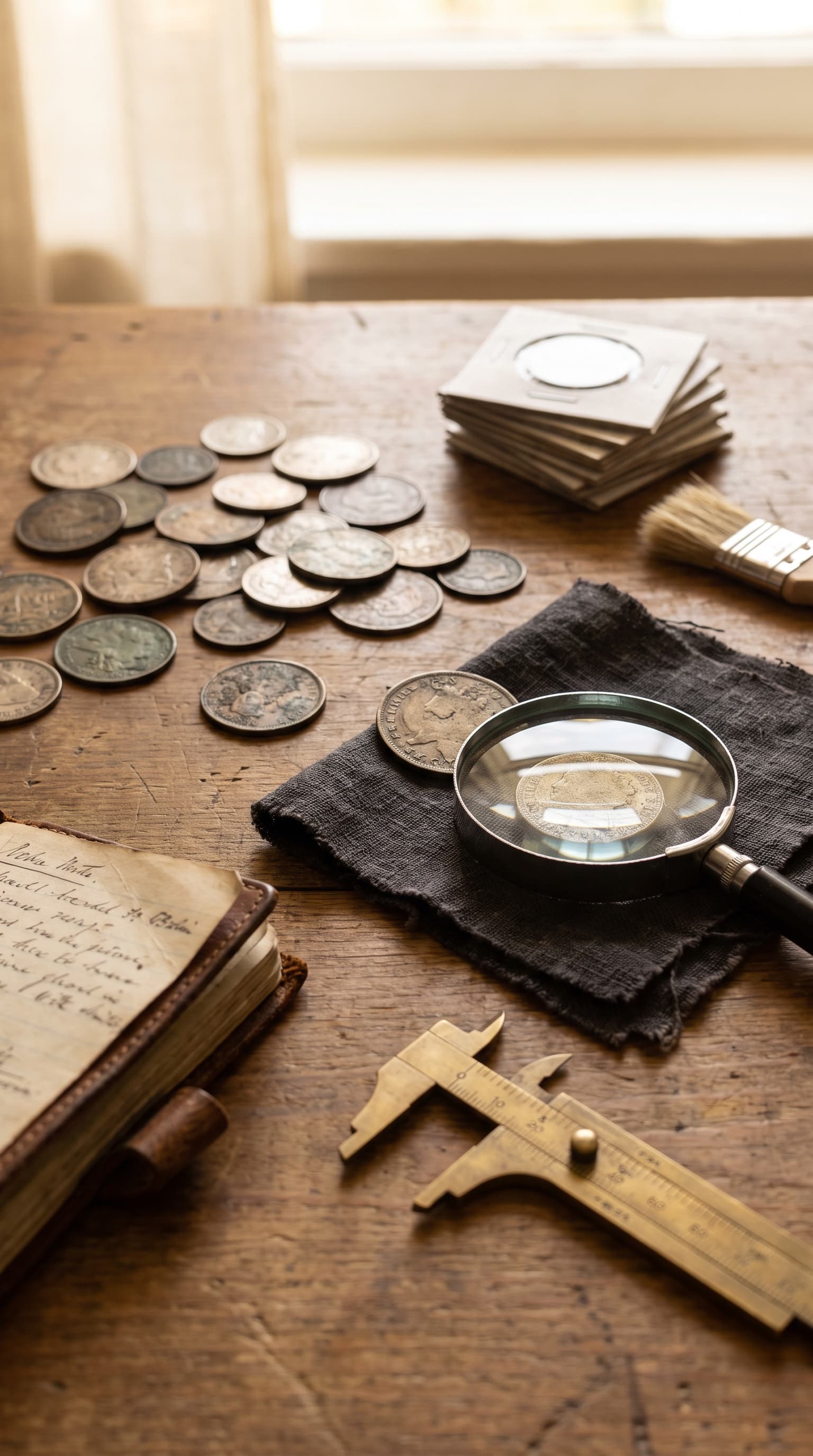
When you search for a coin value estimate, you're usually asking one of three questions: Can I spend this? Should I keep it? or What could I sell it for? A value estimate gives you a working market range based on comparable sales—not a guarantee, but a snapshot of what similar coins have traded for recently.
An estimate is different from a formal appraisal or professional grade. It won't assign a numeric condition score or authenticate subtle varieties, but it will tell you whether you're holding pocket change or something worth protecting. For inherited collections, estate cleanouts, or coins found in old drawers, that distinction matters.
Most collectors just need to know if they should keep digging or move on. A coin value estimate gives you that answer fast.
What Affects Coin Value Estimate Results
Coin prices hinge on a handful of factors that interact in unpredictable ways. Here's what moves the needle:
Date and mint mark
A 1909-S VDB Lincoln cent is worth thousands. A 1950-D is worth five cents. Mint marks—tiny letters like S, D, or P—signal where a coin was struck, and some facilities produced far fewer examples. Low mintage doesn't always mean high value, but it's a strong starting signal.
Condition and wear
A heavily circulated coin might be worth face value or melt price. An uncirculated example of the same date can be worth hundreds. Collectors care about sharpness of detail, luster, scratches, and cleaning damage. Even minor wear drops value significantly for key dates.
Metal content
Silver and gold coins have a built-in floor value based on metal weight. Pre-1965 U.S. dimes, quarters, and half dollars contain 90% silver. When silver prices rise, so does the baseline value of these coins—even in worn condition.
Rarity and demand
Some coins are rare but ignored by collectors. Others are common but hotly collected. Morgan silver dollars, for example, command premiums far above silver content because of sustained collector interest. Rarity only creates value when demand exists.
Errors and varieties
Doubled dies, off-center strikes, and other minting errors can multiply value. A 1955 doubled die Lincoln cent in average condition is worth $1,000+. Most error coins are subtle, though, and require sharp photos or expert eyes to confirm.
Coin Value Estimate vs. Professional Grading
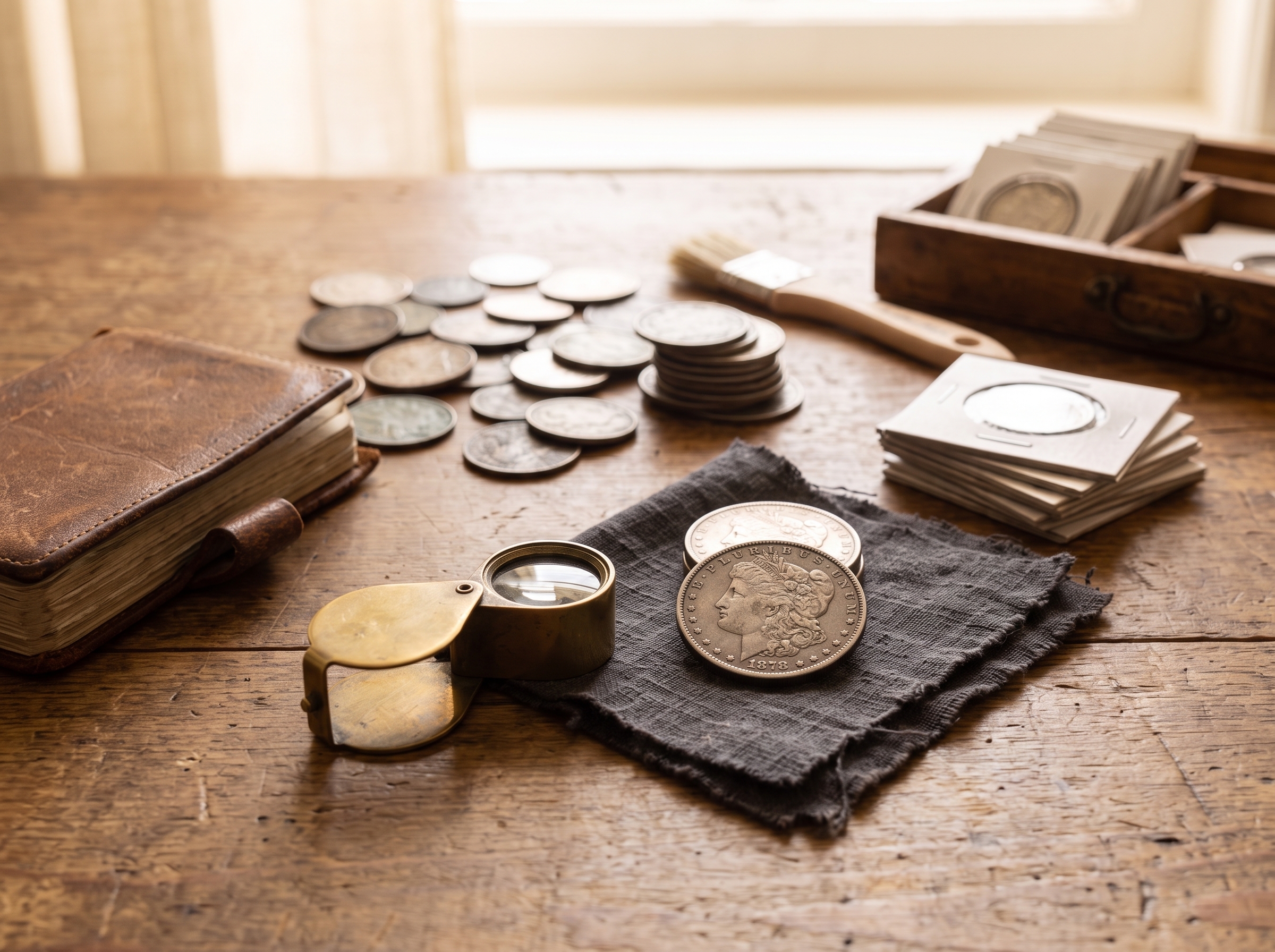
A coin value estimate gives you a market range based on visible traits and recent sales. It's fast, often free, and useful for deciding next steps. It won't certify authenticity or assign a numeric grade, but it will tell you if a coin is worth $2 or $200.
A professional grading service like PCGS or NGC encapsulates your coin in a sealed holder, assigns a numeric grade (1–70 scale), and authenticates it. Grading fees start around $20–$30 per coin and climb for expedited service. For high-value coins, slabbing increases resale confidence and often boosts the price.
Here's how the two compare:
Cost and turnaround
- •Estimate: Free or low-cost, seconds to minutes
- •Grading: $20–$100+ per coin, weeks to months
Purpose
- •Estimate: Screening and decision-making
- •Grading: Certification, resale protection, registry set building
Accuracy
- •Estimate: Market range, no grade assigned
- •Grading: Precise numeric grade, third-party authentication
When to use each
- •Estimate: Inherited coins, bulk lots, curiosity, first-pass sorting
- •Grading: Key dates, high-grade examples, coins worth $100+, resale prep
If you're sorting a shoebox of wheat pennies, start with an estimate. If you've identified a 1916-D Mercury dime in sharp condition, grading is worth the investment.
When a Photo-Based Coin Value Estimate Is Enough
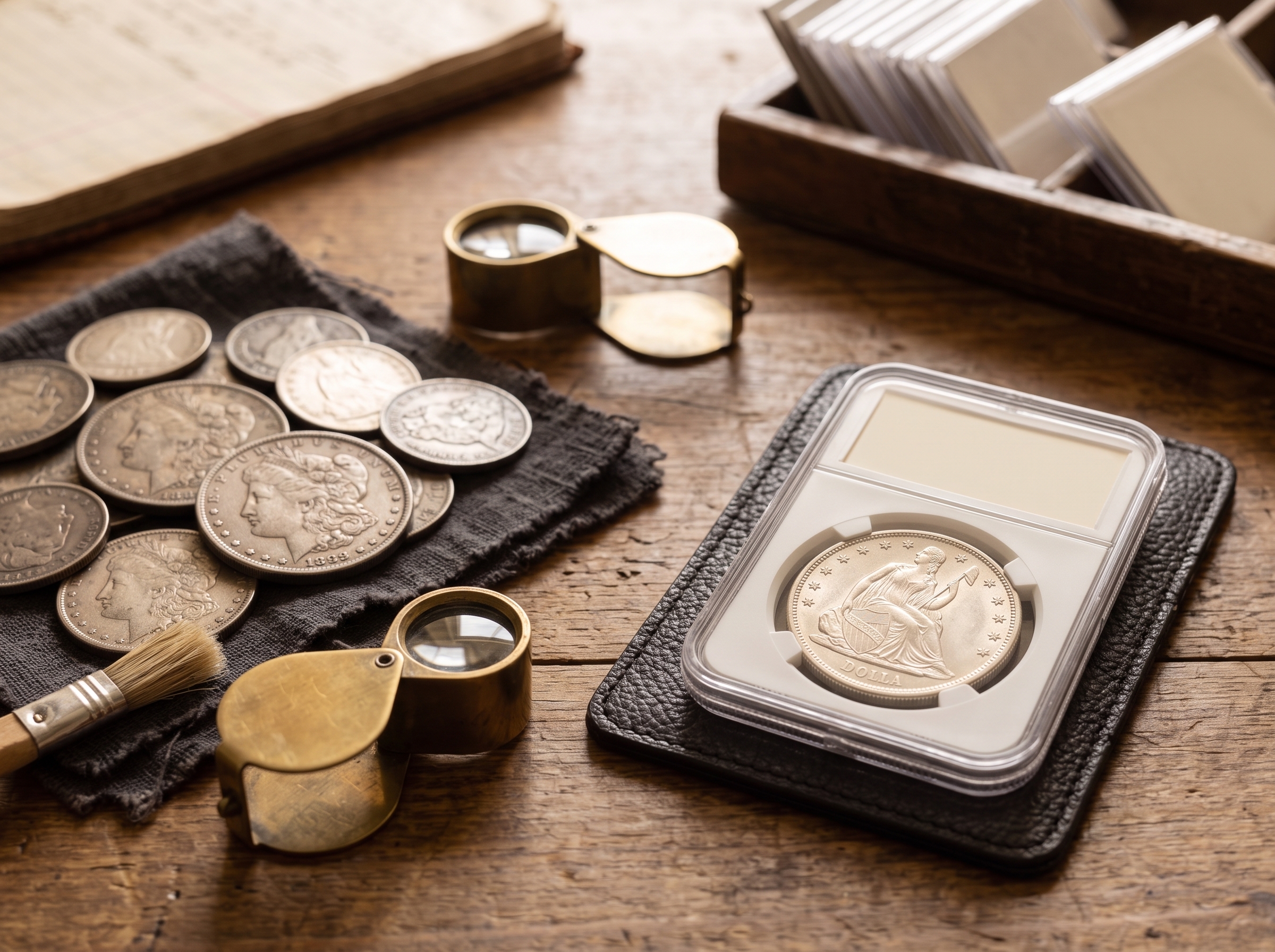
For most situations, a photo-based estimate gives you the information you need without the cost or wait of formal grading:
Screening bulk collections. When you've inherited hundreds of coins, you need to know which ones deserve individual attention. An estimate flags the potential standouts.
Evaluating recent finds. You pulled a silver quarter from your change drawer. You want to know if it's worth holding or spending. An estimate answers that in seconds.
Planning next steps. An estimate tells you whether a coin warrants grading fees, a trip to a local dealer, or simply safe storage.
Learning and curiosity. New collectors benefit from quick feedback on what makes one coin valuable and another common. Estimates become educational tools.
Photo-based tools work best when you capture clear images of both sides, including the date, mint mark, and any visible wear or damage. The more detail you provide, the tighter the estimate range.
When You Need an Expert or Grading Service
Some situations call for professional intervention:
High-value coins. If an estimate suggests your coin is worth $500+, grading protects both you and future buyers. Counterfeits exist, and third-party authentication matters.
Subtle varieties. Doubled dies, repunched mint marks, and overdates often require magnification and reference images. A photo may not capture the diagnostic details.
Estate planning or insurance. Legal and insurance purposes often require formal appraisals from credentialed numismatists, not photo-based estimates.
Resale confidence. Serious buyers prefer slabbed coins for high-dollar transactions. Grading removes doubt and speeds sales.
If you're unsure, get an estimate first. If the estimate suggests significant value, then invest in expert review.
How to Use Tocuro for a Fast Coin Value Estimate
Tocuro gives you a starting point by analyzing your coin photos and comparing them against recent market data. It's designed for collectors who need quick answers without commissions, grading fees, or dealer pitches.
Upload clear photos. Capture both sides of the coin in good lighting. Include the date, mint mark, and any visible details. Avoid glare and shadows.
Get a market range. Tocuro returns an estimated value range based on market signals—not a formal appraisal, but a useful snapshot of where your coin sits.
Decide your next step. If the estimate is modest, you can hold, spend, or add it to a collection. If it's significant, consider professional grading or a local dealer visit. If you need help identifying your coin first, check out our guide on old coin identification or silver coin identification.
Tocuro isn't a replacement for professional grading, but it's a smart first step that saves time and money. You'll know within moments whether you're holding something special or just interesting.
Get Your Coin Value Estimate Now
You don't need to be a numismatist to get a reliable coin value estimate. Clear photos and a little context go a long way. Whether you're sorting inherited coins, evaluating a flea market find, or just curious about that old penny, Tocuro gives you a fast, practical market range based on recent sales.
Upload a Photo for a Fast Estimate and see what your coins are worth in today's market. No fees, no pressure—just the information you need to make smart decisions.
Photo-based estimate
Upload a Photo for a Fast Estimate
Use Tocuro to identify your item from a photo and get an estimated value range when market data is available.