
Best Thrift Finds: What to Look For and Which Ones to Research
A practical guide to identifying the best thrift finds worth researching, what to check in the moment, and how to turn great scores into a trackable collection.
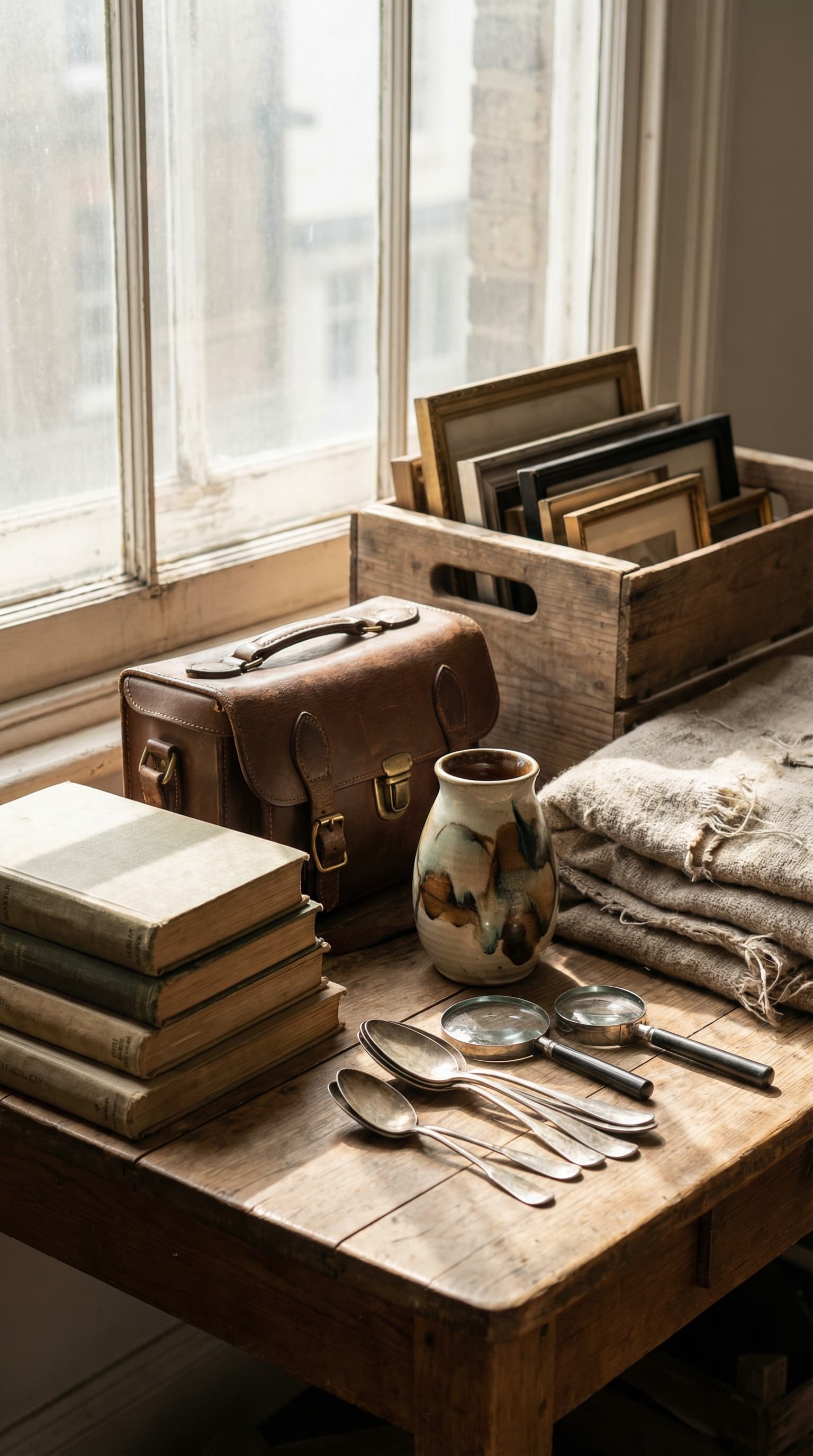
Best Thrift Finds: What to Look For and Which Ones to Research
Thrift stores are hunting grounds. You walk in with no idea what you'll find, and that's half the thrill. But the best thrift finds aren't always obvious in the moment. That mid-century lamp could be a reproduction or a genuine designer piece. The wooden box might be recent craft-fair stock or a hand-dovetailed antique. The key is knowing what deserves a closer look, what to check fast while you're standing in the aisle, and which finds are worth taking home to research properly.
This guide covers the categories that consistently turn up wins, the quick checks that help you decide in real time, and how to turn your best scores into an actual collection instead of a closet full of "I should look that up someday" projects.
Why Thrifting Works for Collectors
Thrift stores get their inventory from estate cleanouts, downsizing moves, and donations from people who don't know what they have. That means genuinely valuable items slip through regularly, priced based on vibes rather than research. A Pyrex bowl gets tagged at $3 because it's "old kitchenware." A signed art print sits in the frame section for $8. A hand-carved wooden duck ends up with the shelf decor.
The challenge is speed. You need to evaluate items quickly, often in a crowded aisle with other shoppers circling. You can't stand there Googling every piece, so you learn to recognize categories worth grabbing first and researching later.
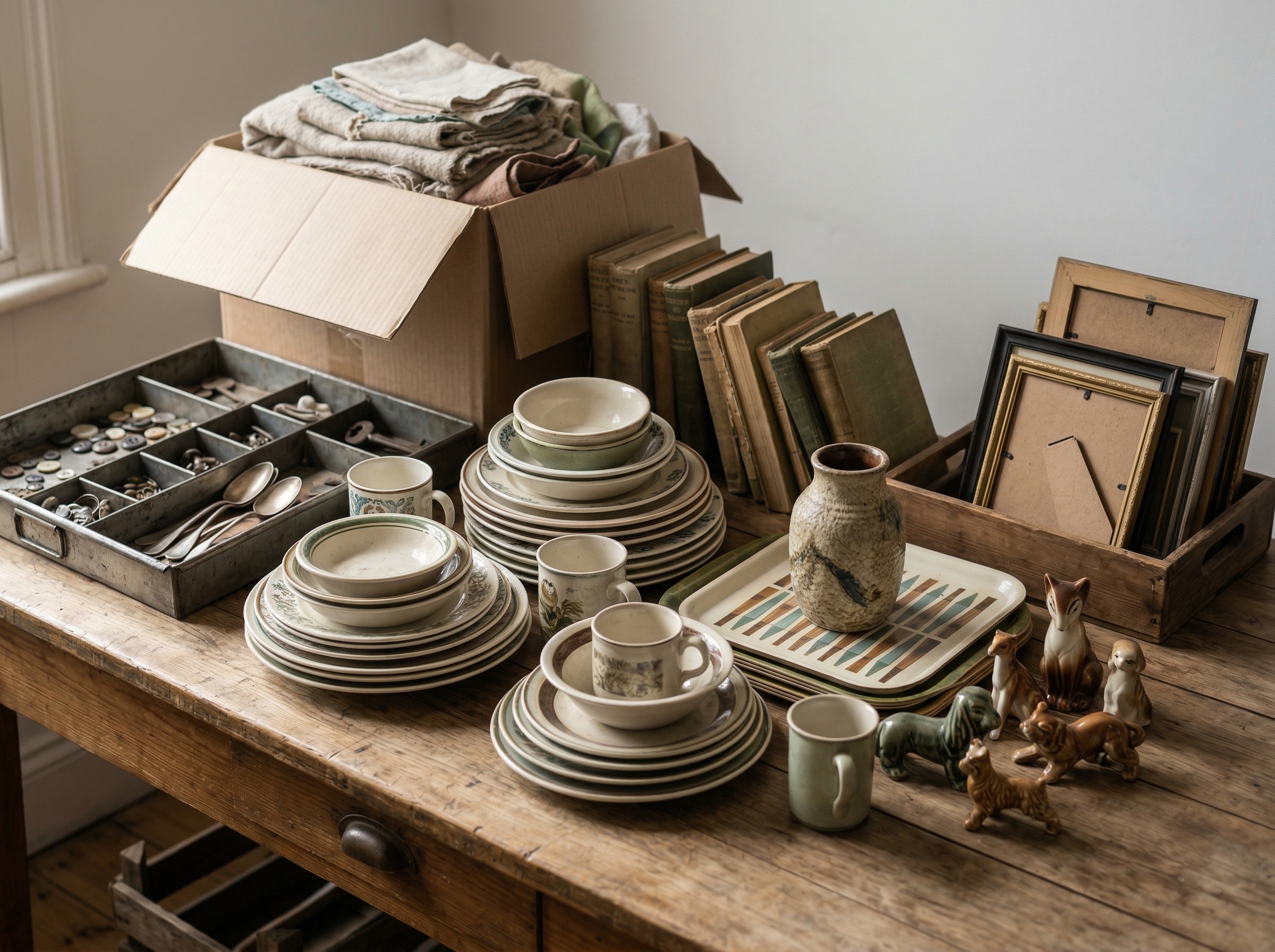
Best Thrift Finds: Categories Worth Your Attention
Some categories consistently produce valuable or collectible finds. Here's what to prioritize:
Vintage Glassware and Pottery
Mid-century glassware—especially Pyrex, Fire-King, and Anchor Hocking—has active collector markets. Look for unusual patterns, bold colors, and pieces in excellent condition. Studio pottery often gets donated with no recognition of the artist's signature on the bottom.
Small Wooden Furniture and Boxes
Stools, side tables, jewelry boxes, and small cabinets are easy to transport and often underpriced. Hand-dovetailed construction, unusual inlay, or maker's marks can signal value. Even damaged pieces can be worth researching if the construction quality is high.
Framed Art and Prints
Thrift stores price frames, not art. Look behind the glass for signatures, edition numbers, gallery labels, or older framing materials. Original prints, lithographs, and even some posters can have significant value if they're signed or from the right era.
Vintage Textiles and Linens
Hand-embroidered tablecloths, quilts, lace, and vintage fabrics often get priced as generic linens. Check for hand stitching, unusual patterns, and condition. Designer scarves and handkerchiefs sometimes show up in the accessories bin.
Sterling Silver and Costume Jewelry
Sterling pieces are frequently mixed in with costume jewelry. Learn to spot hallmarks ("925," "sterling," maker's marks). Costume jewelry from known designers like Trifari, Eisenberg, or Weiss can also be valuable, especially if signed.
Books and Ephemera
First editions, illustrated books, vintage paperbacks with great cover art, and old maps or postcards often get shelved without research. Check copyright pages and condition. Signed copies are gold.
Cameras and Electronics
Vintage film cameras, especially from brands like Leica, Canon, Nikon, and Pentax, can be valuable even if not working. Mechanical functionality matters, but sometimes the body alone has worth. Check for lens quality and serial numbers.
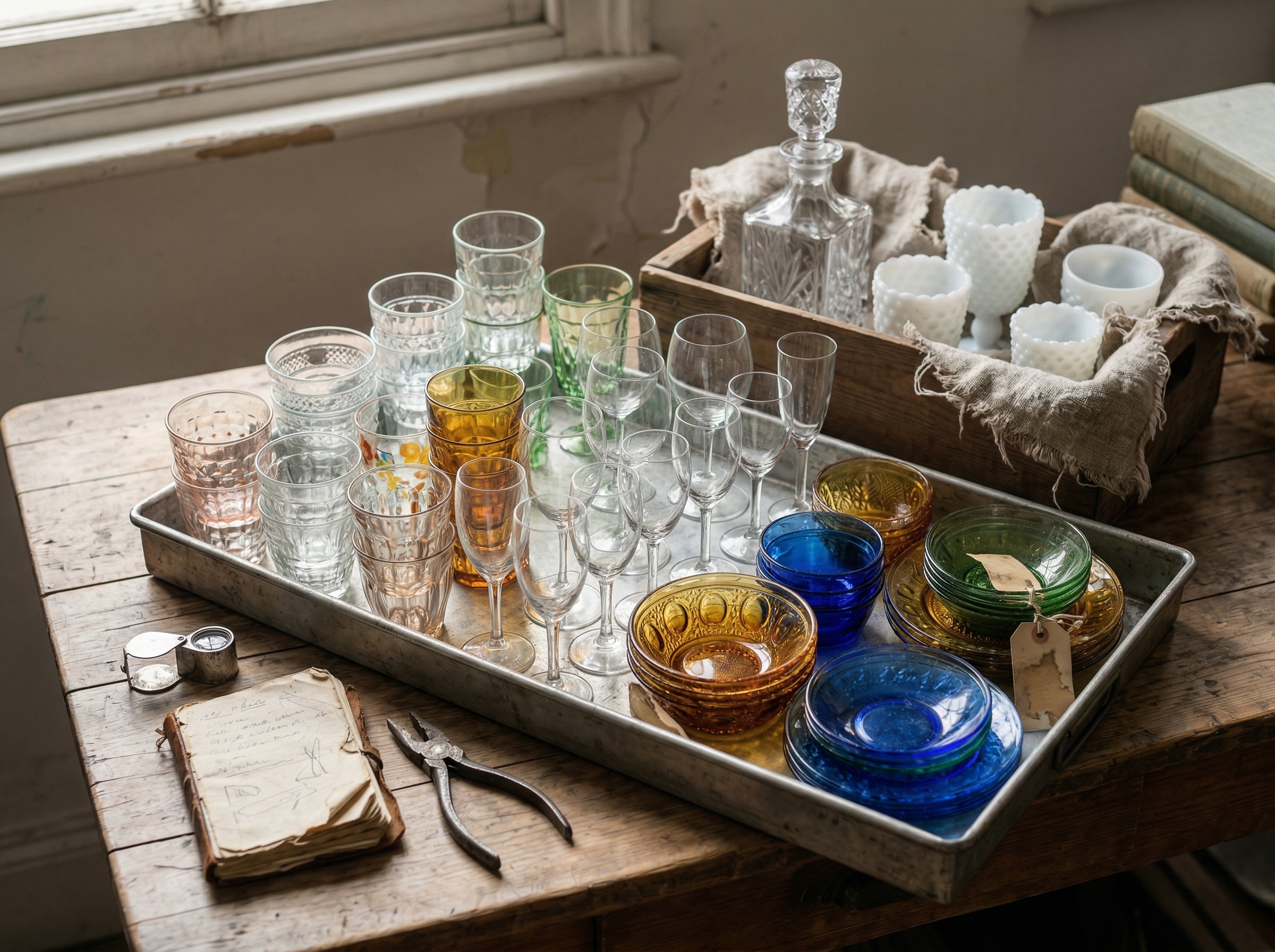
What to Check Fast in the Store
You don't have time for deep research in the aisle, but these quick checks help you decide whether something is worth the gamble:
Look for maker's marks, signatures, and labels. Flip it over, check the bottom, look inside. Anything marked, signed, or labeled deserves a photo and more research later.
Assess construction quality. Hand-dovetailed joints, hand-stitching, weighted bases, solid wood, and metal hardware suggest older, better-made items. If it feels substantial and well-crafted, grab it.
Check condition carefully. Chips, cracks, stains, and missing parts affect value significantly. Minor wear is expected on vintage items, but major damage usually isn't worth it unless the piece is rare.
Notice materials. Real wood, sterling silver, brass, hand-blown glass, and natural fibers often indicate quality. Plastic, particle board, and synthetic materials usually mean newer, lower-value items (though some mid-century plastic is collectible).
Trust your gut. If something feels different from the usual thrift store stock—heavier, older, better-made, or just interesting—take a chance. You can always research it at home.
Best Thrift Finds Worth Researching Further
Once you're home, some finds deserve deeper investigation:
Anything signed or marked should be researched. A signature on a painting, a pottery mark, a furniture maker's label—all of these can unlock significant value or at least confirm the item's origin and age.
Items with unusual construction often have stories. Hand-forged hardware, mortise-and-tenon joinery, hand-painted details, or custom modifications can indicate handmade or artisan work.
Pieces in excellent condition from known eras are worth checking market comps. A pristine piece of Pyrex in a rare pattern, a mid-century teak stool with original finish, or a mint-condition vintage toy can command strong prices.
Anything you can't easily identify is worth a photo-based search. If you don't know what it is, there's a chance it's something good. That weird wooden tool might be a specialty antique. The odd glass vase could be art glass.
How to Turn Best Thrift Finds Into a Collection
Grabbing great finds is one thing. Turning them into a coherent collection—or at least knowing what you have—is another. Most thrifters end up with piles of undocumented items they meant to research but never did.
This is where Tocuro fits in. Instead of saving photos in your camera roll and forgetting about them, you can snap a photo of each thrift find, get an identification and estimated value range based on current market signals, and add it to a trackable collection. You'll know what you actually have, what it might be worth, and which pieces deserve more attention.
Tocuro handles more than just furniture—it works for glassware, pottery, textiles, art, and most categories you'll find thrifting. You get 7 free identifications per day, which resets daily, so you can build your collection over time without paying upfront. When you're ready to sell or trade, you'll have a documented record ready to go.
If you've been thrifting without a system, treating each find as a one-off rather than part of a bigger picture, starting a collection changes the game. You'll notice patterns in what you're drawn to, spot duplicates before you buy them, and know which finds are keepers versus resale candidates.
Start Turning Finds Into a Collection
The best thrift finds aren't always the most expensive ones—they're the ones that surprise you, teach you something, or fit into a collection you're building. Whether you're thrifting for profit, for personal collections, or just for the thrill of the hunt, documenting what you find makes the whole process more intentional.
Ready to stop guessing and start knowing what you have? Start collecting with Tocuro and turn your thrift scores into a trackable, researchable collection.
FAQ
What are the most valuable things to find thrifting?
Sterling silver, signed art, designer mid-century furniture, rare glassware patterns, first edition books, and vintage cameras tend to have the highest value potential. But value depends heavily on condition, rarity, and current market demand.
How do I know if a thrift find is worth researching?
Look for maker's marks, high-quality construction, unusual materials, signatures, or anything you don't immediately recognize. If it feels different from typical thrift stock, take a photo and research it later.
Should I buy something at a thrift store if I'm not sure what it is?
If the price is low and the item shows quality construction or interesting details, it's often worth the gamble. You can research it at home and return or resell it if it's not valuable.
Can Tocuro help me identify thrift finds?
Yes. Tocuro identifies items from photos and provides estimated value ranges based on market signals. You can use it to research finds after you've bought them or even in-store if you have a photo.
How do I start a collection from thrift store finds?
Pick a category or theme that interests you—mid-century glassware, vintage tools, art pottery, whatever catches your eye. Document each piece with photos and notes, track values, and refine your focus as you learn what you're drawn to. Tools like Tocuro make it easy to organize and research as you go.
Collector workflow
Start Collecting
Save your finds, track what you own, and turn one-off discoveries into a collection.