
Best Things to Look for at Thrift Stores: A Collector's Shopping Guide
A practical guide to identifying valuable items at thrift stores, including quick assessment techniques, research-worthy categories, and how to integrate photo identification tools into your collecting routine.
Why Thrift Stores Matter for Collectors
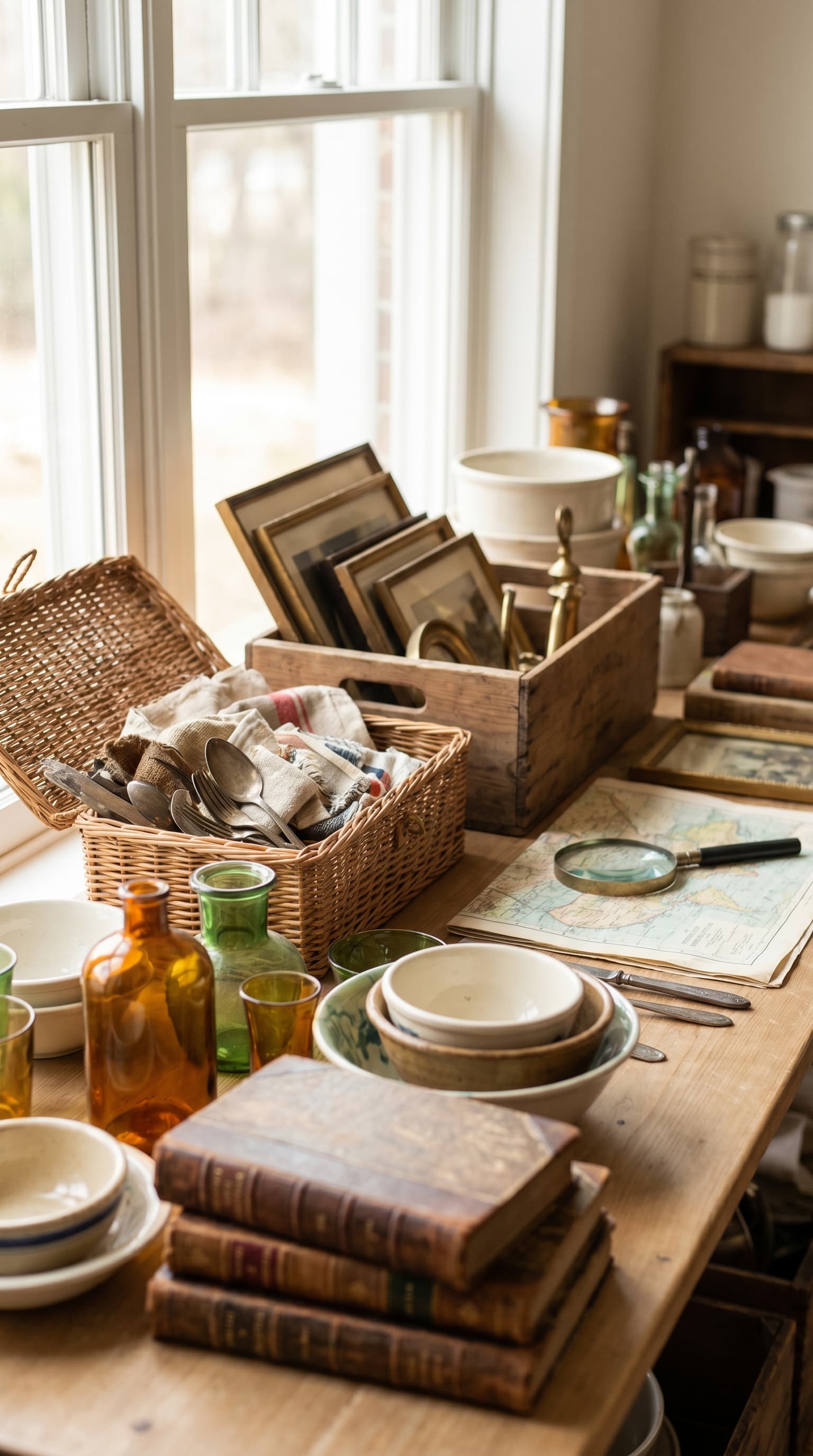
Thrift stores offer something estate sales and antique shops can't: the thrill of the unexpected find at a price point that lets you experiment with new collecting categories. The best things to look for at thrift stores aren't always the obvious antiques on display—they're often tucked behind modern cast-offs, misidentified, or simply overlooked by casual shoppers.
Unlike curated vintage shops, thrift stores receive donations without much vetting. That means real mid-century pottery sits next to mall-brand reproductions, sterling silver hides among plated flatware, and quality furniture gets tagged at garage-sale prices. Your advantage as a collector is knowing what deserves a closer look.
Quick Checks That Matter
You don't have time to research every item on the shelf. Develop a fast assessment routine that helps you decide what's worth photographing, flipping over, or taking to better light.
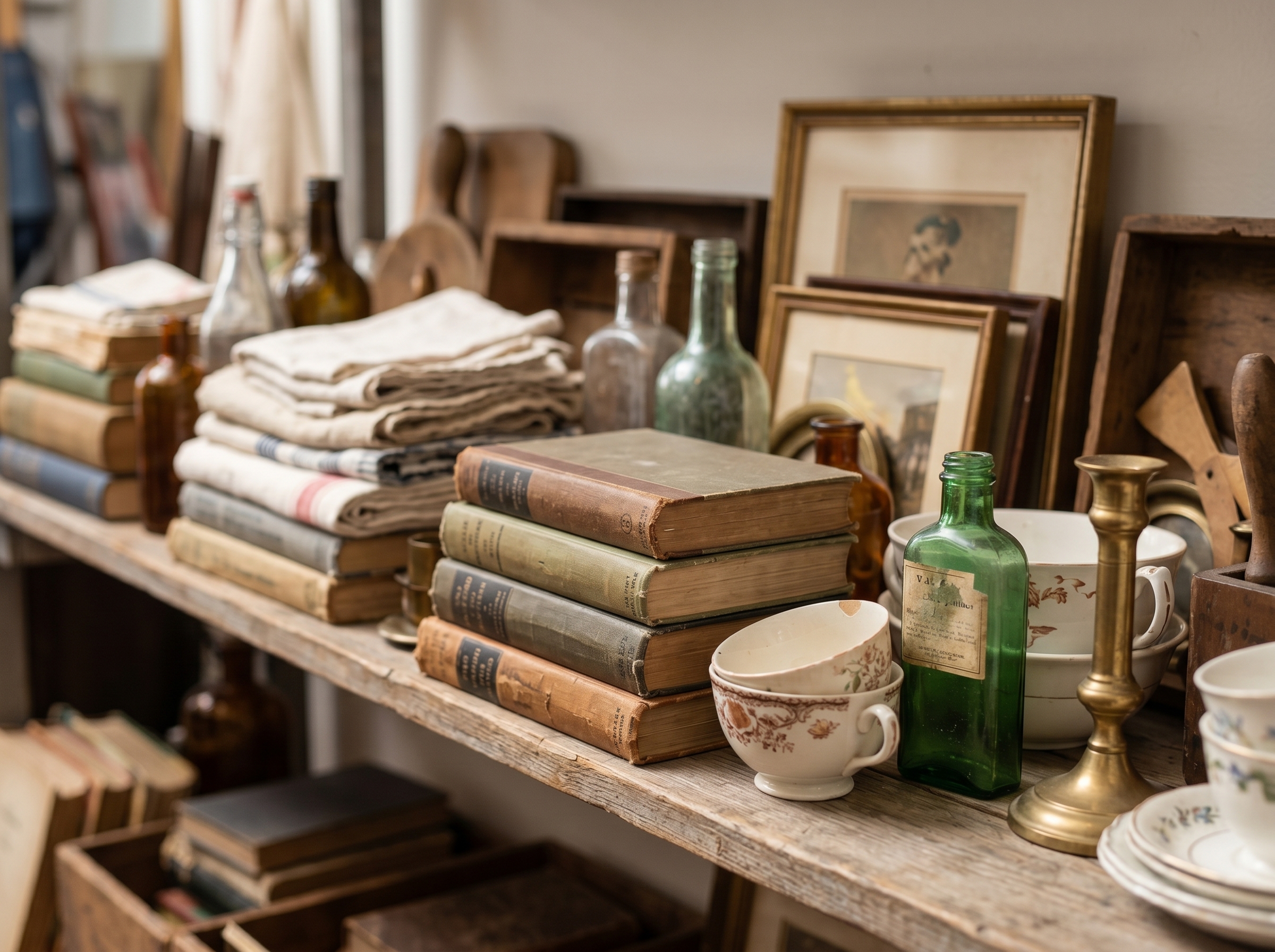
Check for maker's marks immediately. On ceramics, glass, and metalwork, flip pieces over or look for stamps, signatures, or molded marks. Even if you don't recognize the name, a clear mark means the item is researchable. Unknown marks can be identified later with photo tools—what matters in the store is confirming one exists.
Test weight and material quality. Solid wood furniture feels different than particle board. Sterling silver is noticeably heavier than silver plate. Cut crystal has sharper edges and more heft than pressed glass. These tactile checks take seconds and eliminate most modern reproductions.
Look at construction details. Dovetail joints on drawers, hand-carved details on furniture, pontil marks on glass bottoms, and hand-finished pottery bases all signal older or higher-quality pieces. You're not dating items to the decade yet—you're just filtering for things worth researching.
Scan for damage honestly. Chips, cracks, missing hardware, and structural problems matter more in some categories than others. A chip on a common ceramic vase isn't worth your time. The same damage on a documented studio pottery piece might still be collectible. Know which flaws you can live with before you buy.
Best Things to Look for at Thrift Stores
Certain categories consistently show up at thrift stores with significant value gaps between asking price and actual worth. Focus your attention here.
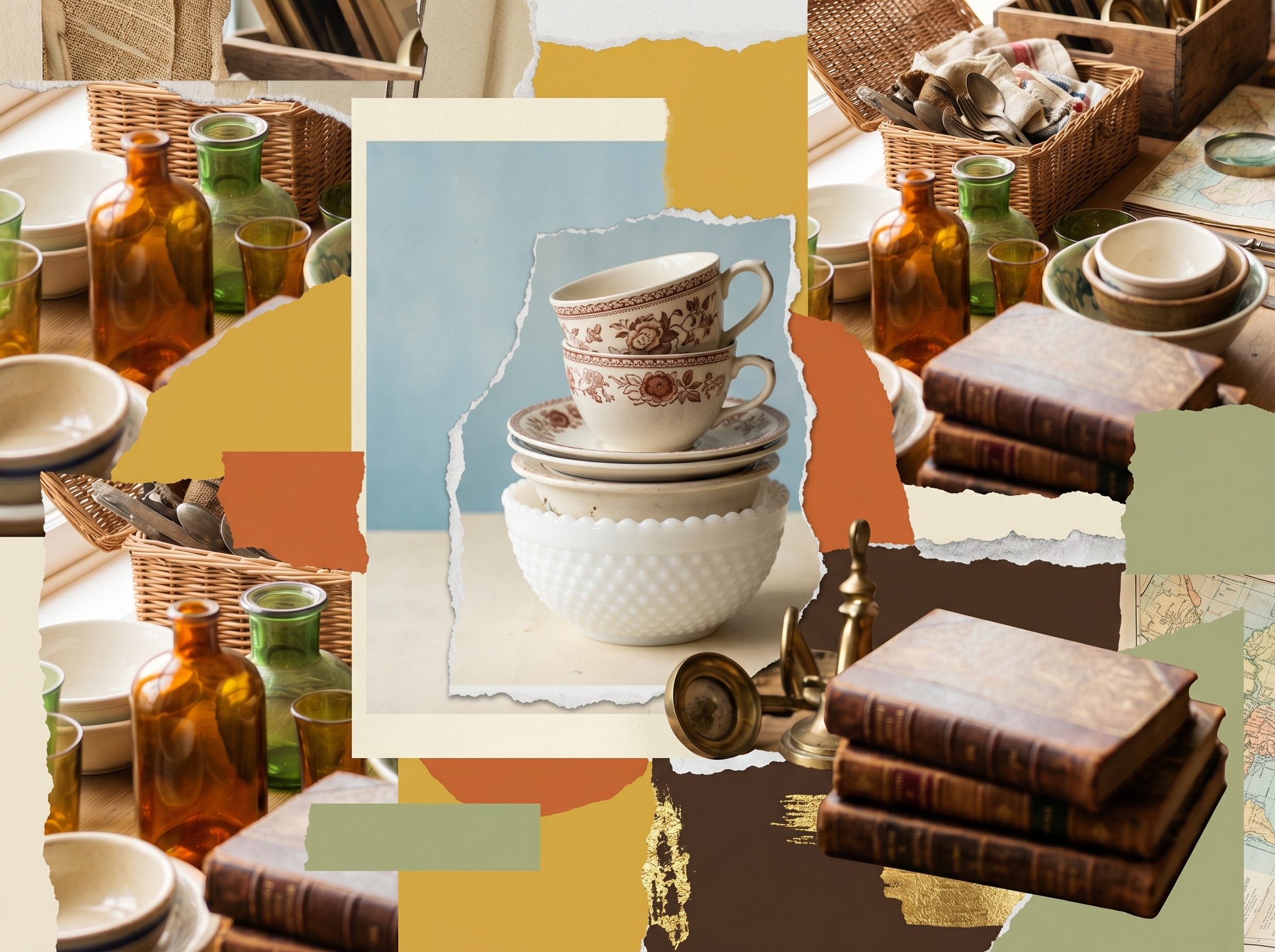
Vintage glassware and pottery turn up regularly because heirs often don't recognize mid-century studio work, art glass, or Depression-era patterns. Look for unusual colors, controlled bubbles in the glass, asymmetrical handmade forms, and artist signatures. Brands like Blenko, Fenton, Roseville, and McCoy remain undervalued at many thrift stores.
Sterling silver and quality jewelry get donated mixed in with costume pieces. Check for "925," "sterling," or hallmarks on everything—flatware, serving pieces, jewelry, small decorative objects. Even damaged sterling has melt value, and intact pieces with maker's marks can be worth multiples of the tag price.
Solid wood furniture is increasingly rare in thrift stores but still appears. Mid-century modern pieces, quality traditional furniture, and anything with clean lines and real joinery deserves attention. Thrifting furniture as a collector means knowing when to invest in a piece that needs minor restoration work.
Vintage textiles and linens include hand-embroidered items, quality quilts, lace, and designer scarves. Check for hand-stitching, natural fiber content, and labels from known manufacturers. Condition matters enormously—stains and tears are difficult to reverse on fabric.
Small collectibles with clear marks range from vintage toys and advertising items to quality kitchen tools and barware. The key is identifiability. An unmarked ceramic figurine is a gamble. The same figurine with a clear manufacturer's mark is researchable and potentially valuable.
What's Worth Researching Later
Not everything needs immediate identification. Some items benefit from better lighting, multiple angles, and time to search databases properly.
Unusual or unfamiliar marks should be photographed in good light. Even if you can't identify a pottery mark in-store, a clear photo lets you research it later or use an antique identification app to get a starting point. Some marks are regional, some are short-lived studio operations, and some turn out to be significant finds.
Complex furniture construction reveals more in photos than in a crowded thrift store aisle. Photograph joinery, hardware, any stamps or labels, and overall form. These details help with dating and attribution when you have time to review antique furniture styles properly.
Items in collectible categories you're learning deserve documentation even if you're not ready to buy. Photographing different examples of Depression glass, vintage barware, or mid-century ceramics builds your visual library and helps you recognize better examples later.
Anything with a story you can't verify on the spot should be photographed for later research. Tags that mention specific makers, regions, or time periods aren't always accurate, but they give you something to investigate. A piece labeled "possibly Tiffany" probably isn't, but it's worth five minutes of photo-based research to confirm.
Building a Research Workflow
Collecting at thrift stores works best when you can identify items quickly without losing momentum. Walking through the store researching every piece on your phone wastes time and means you miss newly stocked items.
Photograph anything that passes your quick checks, then review your photos after you leave or during a coffee break. Tocuro helps with this workflow—snap photos of marks, overall form, and construction details, then get item identification and estimated value ranges based on current market signals. You get 7 free identifications per day, and the count resets daily, which is enough to evaluate your most promising thrift store finds without slowing down your shopping.
This approach lets you make faster decisions on return visits. If an item is still there the next week and your research confirmed it's worth buying, you haven't lost anything. If your photos revealed it's a common reproduction, you saved yourself money and storage space.
What to Skip
Knowing what to ignore is as valuable as knowing what to grab.
Mass-produced reproductions flood thrift stores. New items made to look vintage—distressed furniture, reproduction advertising signs, recently made "shabby chic" decor—won't appreciate and don't build a meaningful collection. If it looks artificially aged or you've seen identical items at HomeGoods, keep walking.
Damaged items without research value aren't worth your time unless you already know they're collectible. A chipped plate from an unknown maker is just a damaged dish. A chipped plate from a documented mid-century designer might still have value to collectors.
Heavy, common furniture in poor condition rarely justifies the effort. Oak veneer dressers from the 1980s, particle board entertainment centers, and generic upholstered pieces cost more to move than they're worth. Focus on quality construction and interesting design instead.
Start Building Your Collection
Thrift stores reward collectors who develop pattern recognition and move quickly when they spot quality. The best things to look for at thrift stores are the ones you learn to recognize before other shoppers notice them. That skill comes from handling pieces, studying marks, and building your visual reference library with every shopping trip.
Ready to identify what you're finding? Start collecting with Tocuro—snap photos of marks and details, get identification help, and see estimated value ranges so you can make confident decisions at thrift stores, estate sales, and everywhere else interesting objects turn up.
Collector workflow
Start Collecting
Save your finds, track what you own, and turn one-off discoveries into a collection.