
App to Identify Antiques: How Photo-Based Tools Work for Every Type of Collectible
Modern apps can identify antiques from photos—furniture, glass, pottery, silver, and more. This guide explains how photo-based identification tools work, what you get from a quick upload, and when to call in a specialist.
The App to Identify Antiques Question Most Collectors Actually Ask
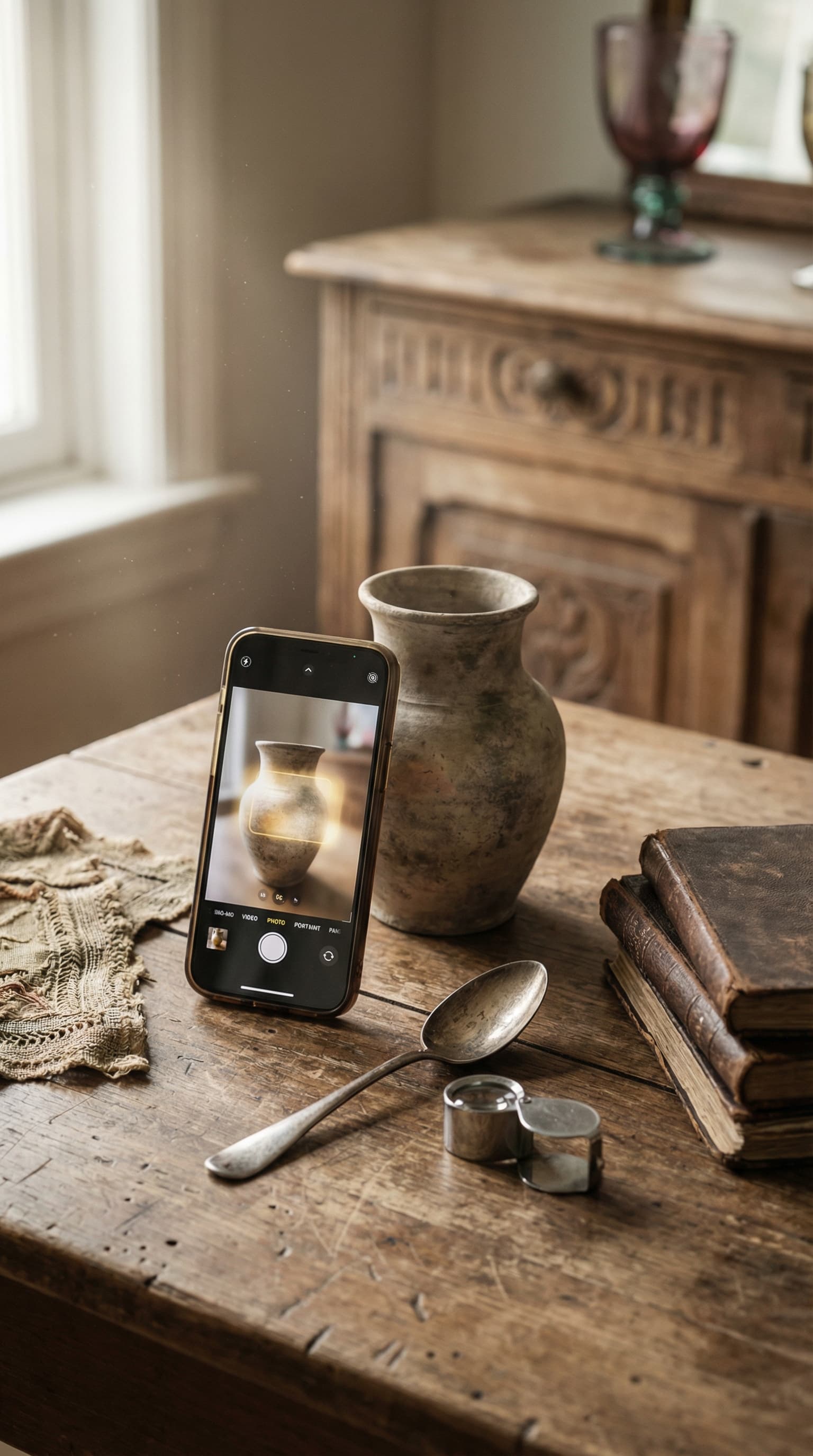
You've found something interesting at an estate sale, inherited a box from your grandmother, or pulled a piece out of storage. It looks old, but you have no idea what it is, when it was made, or whether it's worth keeping. You want answers fast—without hauling it to a shop or waiting weeks for an email response.
That's where an app to identify antiques comes in. Modern tools let you photograph an item and get identification help in minutes, whether you're holding Victorian glass, mid-century pottery, Art Deco silver, or a walnut dresser. The best apps handle far more than furniture—they're built for the full spectrum of collectibles and decorative objects.
What Tocuro Does for Antique Identification
Tocuro is a photo-based identification tool designed for collectors, pickers, and curious inheritors. You upload a photo of your antique, and the app analyzes visual details—form, materials, decoration, style markers—then returns a clear identification along with an estimated value range based on current market signals.
It works across categories:
- •Furniture: Chairs, tables, cabinets, desks, case goods
- •Glass and ceramics: Depression glass, art glass, porcelain, stoneware, pottery
- •Silver and metalware: Flatware, hollowware, trays, candlesticks
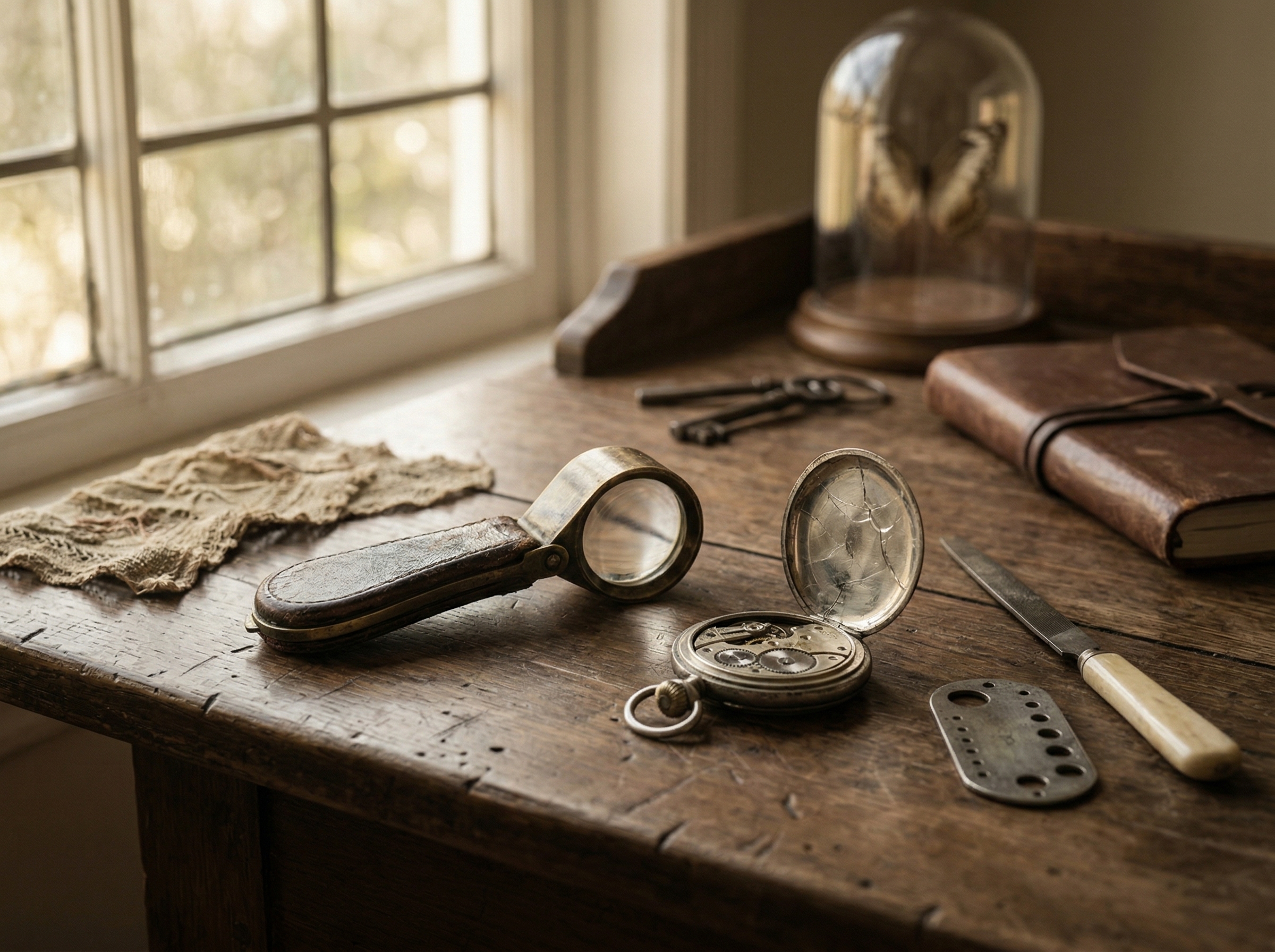
- •Decorative objects: Clocks, frames, mirrors, figurines, lighting
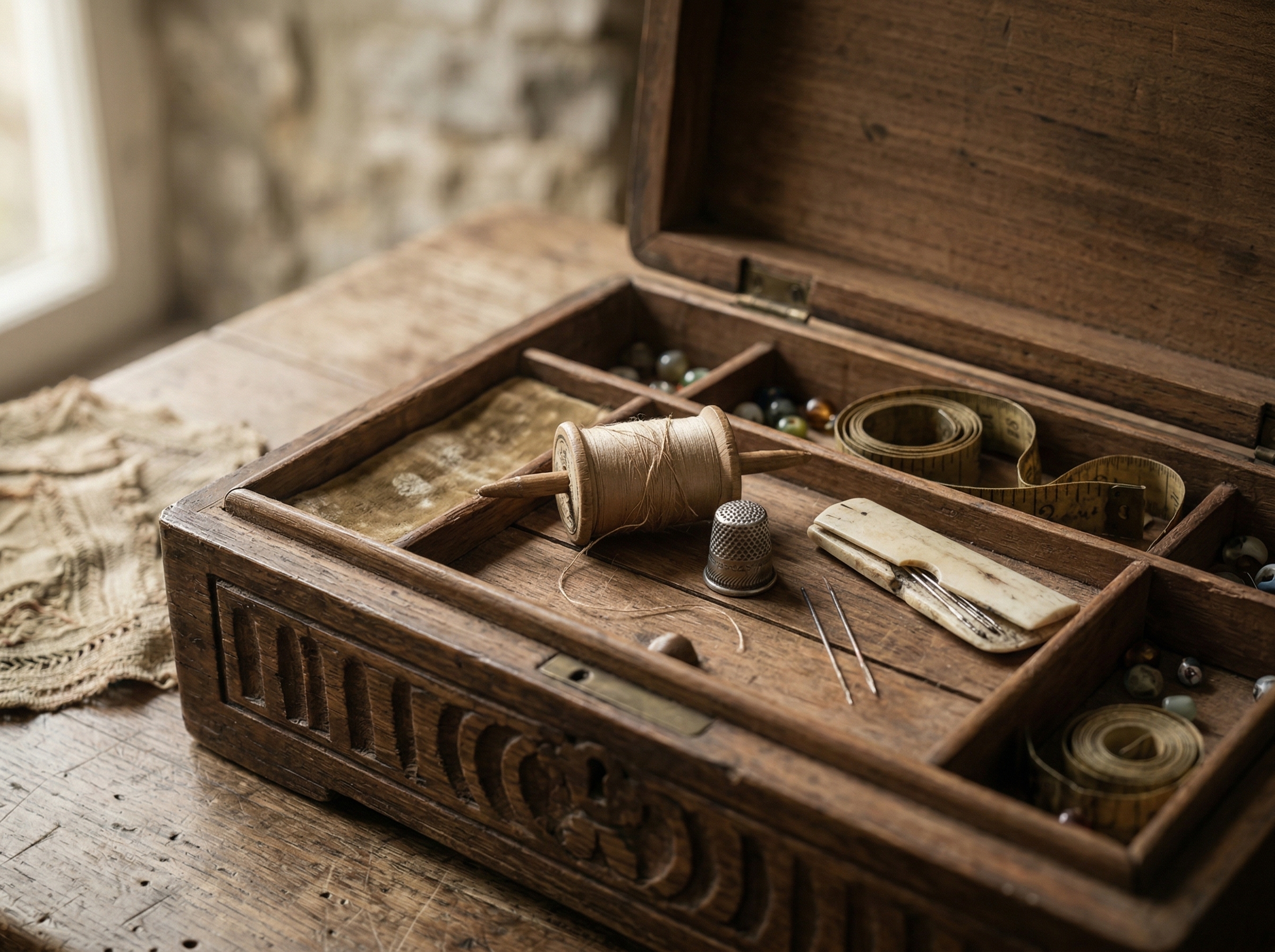
- •Textiles: Quilts, linens, vintage fabric pieces
The system is built to handle variety. You're not locked into a single category or forced to know the right terminology before you start. Upload the photo, and the tool does the recognition work.
What You Get Free
Tocuro gives you 7 free identifications per day. That count resets every 24 hours, so you can use it daily without paying a subscription or per-item fee.
Each identification includes:
- •Name and type: What the object is, in plain language
- •Estimated age or period: When it was likely made
- •Style or maker details: Movement, factory, or design characteristics when recognizable
- •Value range: A market-informed estimate, not a formal appraisal, but enough to guide decisions about selling, insuring, or researching further
The free tier is generous enough for casual users and helpful for pickers who need quick answers in the field. If you're processing a full estate or running a resale business, you'll hit the daily limit—but for most people, seven IDs a day covers everything they find in a typical week.
What Photo Quality Works Best for an App to Identify Antiques
Photo quality makes or breaks identification accuracy. The app can only work with what it sees, so your upload habits matter.
Lighting and background
- •Bright, even lighting: Natural light near a window works well. Avoid harsh shadows or yellow indoor bulbs that distort color.
- •Plain background: A neutral surface (white, gray, wood) helps the app isolate the object. Busy rugs or cluttered shelves add visual noise.
Angles and details
- •Multiple angles: Front, back, side views give context. One photo rarely tells the whole story.
- •Close-ups of marks: Maker's marks, stamps, labels, signatures, and patent numbers are critical. Capture them clearly, in focus, with good light.
- •Construction details: For furniture, photograph joinery, hardware, and any hand-tool marks. For glass, show the base and any mold seams. For ceramics, include the unglazed foot.
What to avoid
- •Blurry or low-resolution images
- •Photos taken in dim garages or basements
- •Extreme angles that distort proportion
- •Reflections that obscure surface details (common with glass and silver)
If you're unsure whether a photo is good enough, take three versions and upload the clearest. You have seven tries a day—use them.
Limitations and When to Seek Formal Expert Help
An app to identify antiques is a starting point, not the final word. It's excellent for quick answers, sorting through inherited items, or deciding what's worth deeper research. But it has limits.
When the app works well
- •Items with clear style markers (Victorian, Arts and Crafts, Mid-Century Modern)
- •Objects with visible maker's marks or factory stamps
- •Common categories with strong visual references (Depression glass, Stickley furniture, Roseville pottery)
- •Items in good condition, where key details are intact
When you need a specialist
- •High-stakes decisions: If you're considering selling something for thousands of dollars, get a formal appraisal from a certified appraiser. Tocuro's value ranges are market-informed estimates, not insurance appraisals.
- •Attribution questions: Is this actually a Tiffany lamp or a good reproduction? A specialist with hands-on access can examine construction, materials, and provenance in ways a photo can't capture.
- •Rare or unusual items: Outliers—one-of-a-kind folk art, obscure regional makers, experimental studio pieces—often need expert eyes.
- •Legal or estate contexts: Probate, donation tax deductions, and divorce settlements require formal, written appraisals by accredited professionals.
Tocuro gives you enough information to know when to call in a specialist. If the app suggests your lamp might be worth $5,000, that's your cue to seek professional verification before selling or insuring it.
How This Fits Into Your Workflow
Most collectors use an app to identify antiques as a triage tool:
- •Quick scan: Upload photos of everything you're unsure about
- •Sort and prioritize: Separate the interesting pieces from the garage-sale basics
- •Research further: For high-value or unusual items, cross-reference with auction records, collector forums, and antique appraisal resources
- •Decide next steps: Sell, keep, donate, or get a formal appraisal
You're not replacing expertise—you're making smarter use of it. Instead of bringing every random find to a dealer, you arrive with the pieces that actually matter, already knowing roughly what you have.
If you're working through inherited furniture specifically, our guide to identifying furniture online covers additional tips for case goods and seating. And if you're curious whether something counts as antique or vintage in the first place, this antique vs vintage explainer clarifies the age cutoffs that matter for value.
Getting Started With Tocuro
You don't need to be a collector or dealer to use Tocuro. The app is designed for anyone holding an object and asking, "What is this?"
Snap a photo. Get an answer. Repeat up to seven times a day, every day, at no cost. If you find something valuable, you'll know. If you find something common, you'll know that too—and save yourself the trip to an appraisal shop.
Try 7 Free IDs Today and see what you've been sitting on.
Photo identification
Identify Your Item
Use Tocuro to identify your item from a photo and get an estimated value range when market data is available.