
Antique Furniture Care Tips: How to Preserve Value and Beauty
A practical guide to caring for antique furniture, covering daily handling, environmental controls, and what collectors should prioritize to preserve both condition and value over time.

Antique Furniture Care Tips: How to Preserve Value and Beauty
Caring for antique furniture isn't complicated, but it does require a different approach than modern pieces. The right antique furniture care tips can prevent costly mistakes and help you maintain both the beauty and value of pieces you've worked hard to find. Whether you just brought home your first walnut dresser or you're managing an established collection, understanding the basics makes all the difference.
Most damage to antique furniture happens gradually—not from dramatic accidents, but from well-meaning daily habits that slowly degrade finishes, dry out wood, or introduce harmful chemicals. The good news? A few simple adjustments to how you handle, place, and maintain your pieces can protect them for decades.
The Collector's Routine: Daily Antique Furniture Care
The best care plan is the one you'll actually follow. Start with these practical habits that take minimal time but deliver real protection.
Handle with awareness, not fear. You don't need white gloves for everyday use, but do avoid dragging pieces across floors (lift instead), keep drinks and plants off unprotected surfaces, and use both hands when opening drawers or doors. Old joinery can loosen over time, and preventable stress adds up.
Dust regularly with the right tools. A soft, dry microfiber cloth or natural bristle brush removes dust without scratching finishes. Dust weekly if possible—buildup traps moisture and can dull patina. Skip feather dusters; they just redistribute particles.
Control your environment. This is the single most important factor in long-term preservation. Aim for 45–55% relative humidity and stable temperatures between 65–75°F. Extreme swings cause wood to expand and contract, leading to cracks, warping, and veneer lifting. A simple hygrometer (under $20) tells you what you're working with.
Rotate sun exposure. Direct sunlight fades finishes and dries out wood. If a piece sits near a window, use curtains or UV-filtering film, and rotate it occasionally so any fading happens evenly.
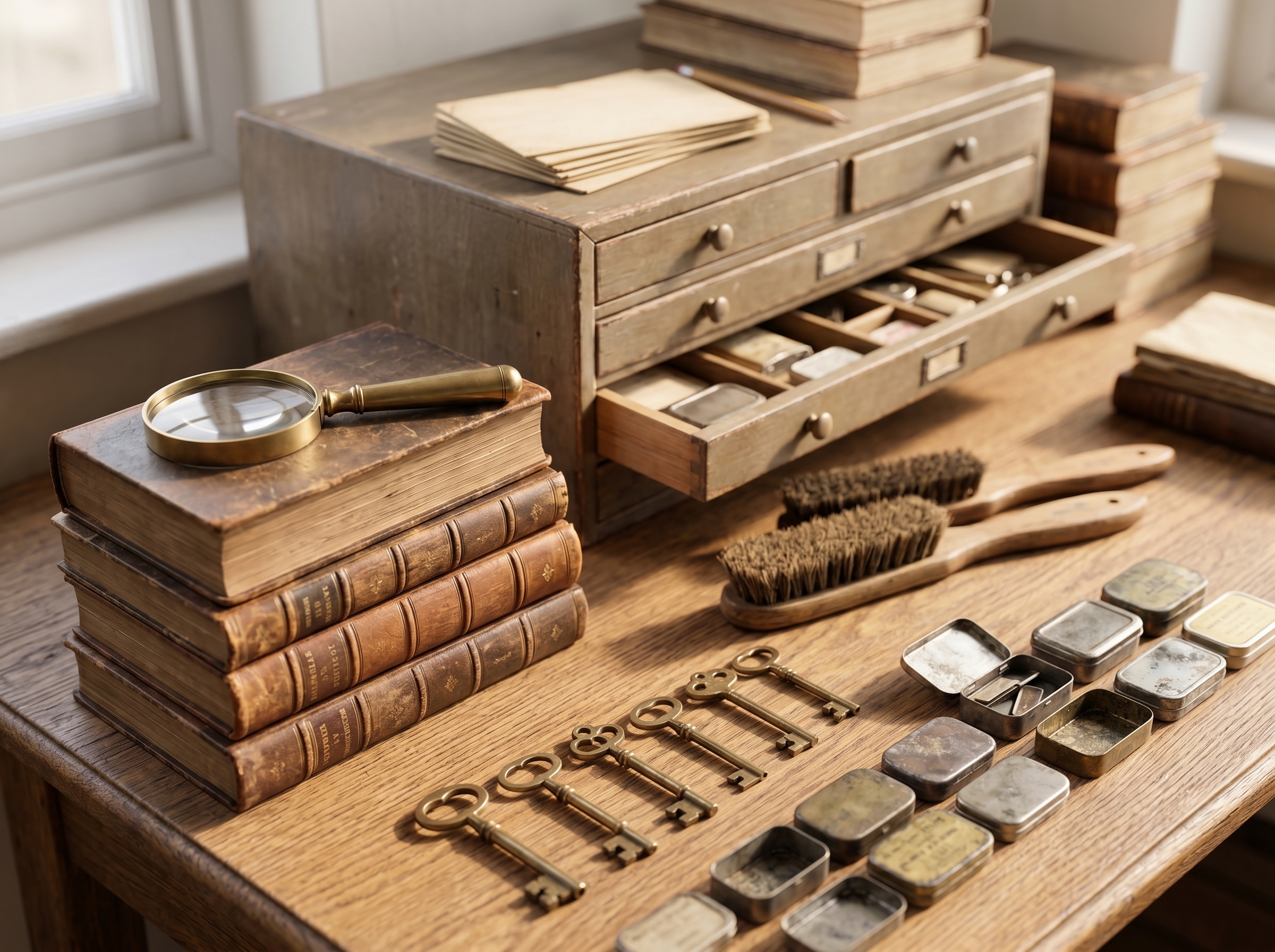
Quick Checks Before You Buy or Bring a Piece Home
Before you commit to caring for a new acquisition, spend a few minutes assessing its condition. These quick checks help you understand what you're taking on.
Look for active problems. Check for loose joints, missing veneer, active woodworm holes (fresh sawdust is a red flag), strong musty odors, or sticky finishes. Active issues need attention before they worsen.
Identify the finish type. Knowing whether a piece has shellac, lacquer, oil, wax, or varnish determines how you'll clean and maintain it. Test an inconspicuous spot with denatured alcohol (dissolves shellac) or lacquer thinner (dissolves lacquer) if you're unsure. Never guess when choosing products.
Document its current state. Take photos of all sides, hardware, joinery details, maker's marks, and any damage. This record helps you track changes over time and provides valuable reference if you ever restore or sell the piece.
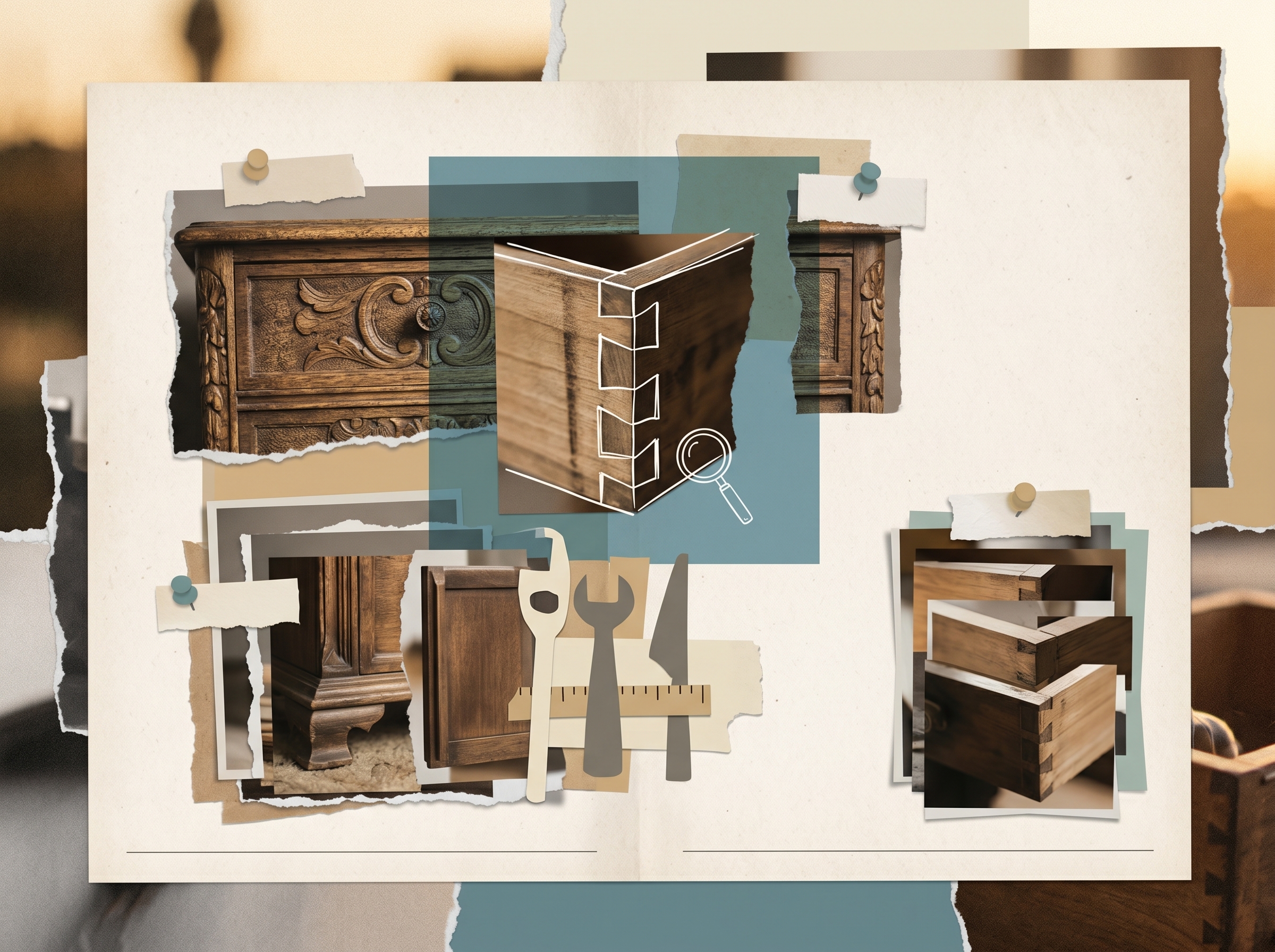
What's Worth Prioritizing in Antique Furniture Care
Not every care task is created equal. Focus your energy where it matters most.
Climate stability
- •Why it matters: Prevents structural damage and finish deterioration
- •What to do: Use a humidifier or dehumidifier to maintain 45–55% humidity year-round
Proper placement
- •Why it matters: Avoids heat, moisture, and sunlight damage
- •What to do: Keep furniture at least three feet from heating vents, radiators, and fireplaces; avoid damp basements and direct sun
Gentle cleaning methods
- •Why it matters: Protects original finish and patina that determine value
- •What to do: Use only products appropriate for your specific finish type; when in doubt, consult detailed cleaning guidance
Regular inspection
- •Why it matters: Catches small problems before they become expensive repairs
- •What to do: Check quarterly for loose hardware, lifting veneer, new cracks, pest activity, or finish changes
Common Mistakes That Damage Antique Furniture
Even experienced collectors can fall into these traps. Avoid them and you'll prevent most serious problems.
Using the wrong cleaning products. Commercial furniture polish, all-purpose cleaners, and oil soaps can damage historic finishes. Many contain silicones or harsh detergents that degrade shellac and lacquer. Stick to products formulated for antiques, or use simple solutions like distilled water on a barely damp cloth.
Over-waxing. Wax builds up over time, attracting dirt and creating a cloudy film. Most antique furniture needs waxing only once or twice per year—not every time you clean.
Ignoring hardware. Loose knobs, handles, and hinges stress surrounding wood. Tighten screws gently (don't overtighten) and replace missing hardware with period-appropriate reproductions when possible.
Skipping coasters and pads. Water rings, heat marks, and scratches from everyday use are permanent. Protect surfaces with felt pads under lamps and decorative objects, and always use coasters.
DIY repairs without research. Well-intentioned fixes with wood glue, wood filler, or stain can permanently reduce value. Before attempting any repair, understand whether professional conservation might be worthwhile.
Seasonal Antique Furniture Care
Your care routine should shift slightly with the seasons, particularly in regions with significant climate variation.
Winter: Indoor heating drops humidity levels dramatically. Run a humidifier and check your hygrometer weekly. Move pieces slightly away from radiators and heating vents.
Summer: High humidity and heat can cause swelling and mold. Use dehumidifiers in damp climates and ensure good air circulation. Never store furniture in hot attics.
Spring and fall: These transitions are ideal times for deeper inspection and maintenance. Check for winter damage (cracks, loose joints) in spring, and prepare pieces for heating season in fall.
How Tocuro Fits Into Your Furniture Care Workflow
Knowing exactly what you own helps you care for it properly. When you acquire a new piece—whether you inherited it, bought it at auction, or found it at an estate sale—proper identification informs every care decision that follows.
Tocuro lets you photograph furniture and receive identification and estimated value ranges based on market signals. Understanding a piece's age, style, construction method, and likely finish type helps you choose appropriate cleaning products, decide whether professional restoration makes financial sense, and prioritize which pieces need the most attention. You get 7 free identifications per day, and the count resets daily—enough to work through a collection methodically or research pieces as you acquire them.
The estimated value ranges also provide context for care decisions. A $200 dresser might get different treatment than a $3,000 secretary desk. Both deserve care, but knowing the difference helps you allocate time and budget appropriately.
Ready to Care for Your Collection?
Antique furniture care doesn't require expensive products or professional expertise for everyday maintenance. It does require consistency, the right information about what you own, and a willingness to prioritize prevention over cure.
Start documenting and identifying your collection to make informed care decisions that preserve both beauty and value for years to come.
Frequently Asked Questions
How often should I wax antique furniture? Once or twice per year is sufficient for most pieces. Over-waxing creates buildup that attracts dirt and dulls appearance. Clean regularly with appropriate methods, and wax only when the surface looks dry or dull.
Can I use furniture polish on antique wood? Most commercial polishes contain silicones or chemicals that can damage historic finishes. Use products specifically formulated for antiques, or stick with gentle dusting and occasional waxing with pure paste wax.
What humidity level is best for antique furniture? Aim for 45–55% relative humidity with minimal daily fluctuation. Consistent levels matter more than hitting a specific number. Use a hygrometer to monitor and a humidifier or dehumidifier to adjust as needed.
Should I refinish damaged antique furniture? Refinishing typically reduces value significantly, sometimes by 50% or more. Original finish and patina are part of what makes a piece valuable. Before considering refinishing, consult resources on restoration that preserves value or speak with a professional conservator.
Collector workflow
Start Collecting
Save your finds, track what you own, and turn one-off discoveries into a collection.