
What Are My Antiques Worth? How to Find Real Market Value Fast
Finding out what your antiques are worth starts with understanding what kind of value you need—resale range, insurance figure, or auction estimate. This guide explains what drives antique prices, when a photo-based estimate is enough, and when to bring in a professional appraiser.
What People Really Mean When They Ask What Antiques Are Worth
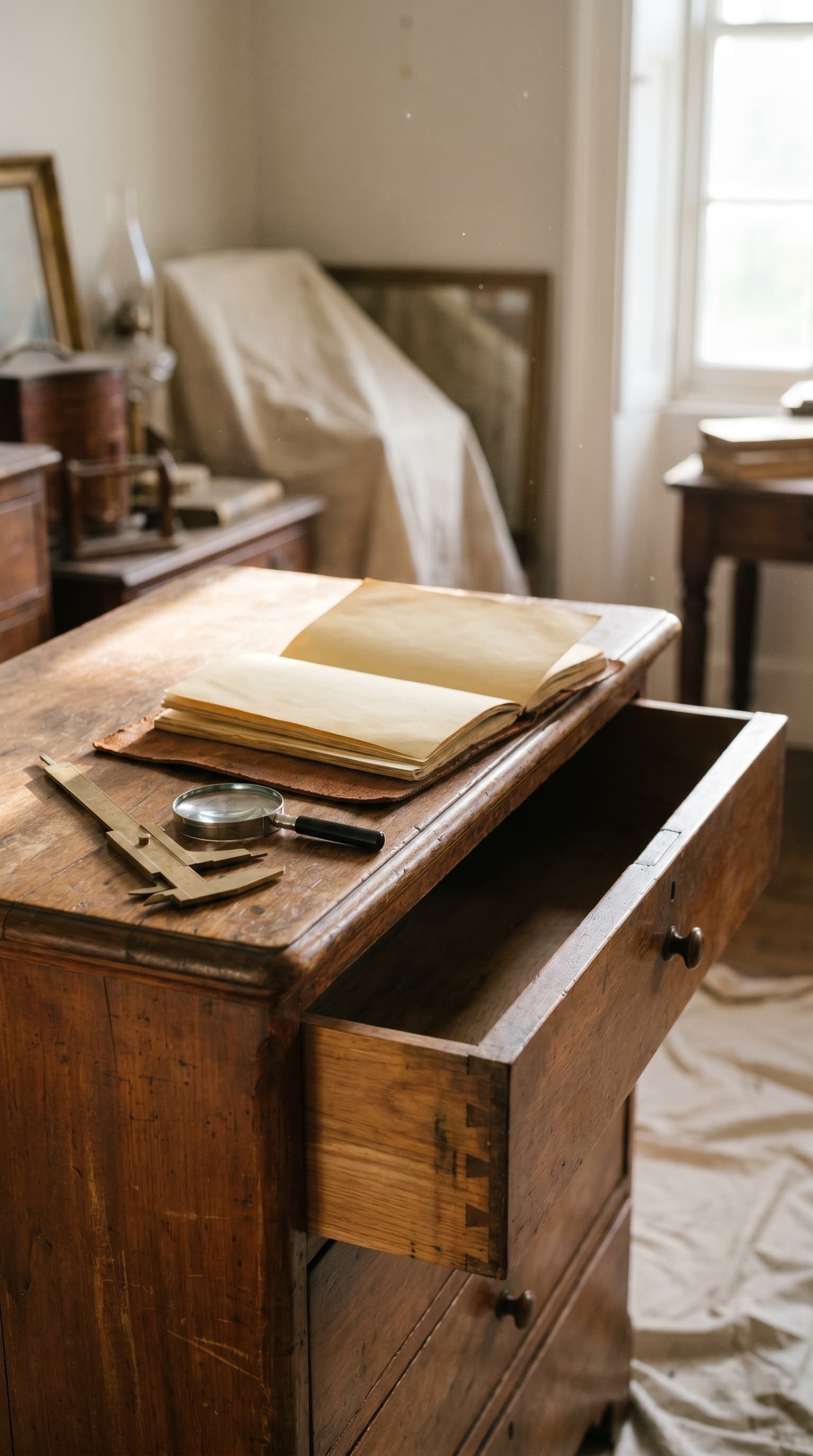
When you ask "what are my antiques worth," you're usually trying to answer one of three questions: Can I sell this for real money? Should I insure it? or Is this special enough to keep?
Those are different questions, and they often lead to different numbers. Retail replacement value (what an insurance company uses) runs higher than resale value (what you'd actually get from a buyer). Auction estimates sit somewhere in between, depending on the house and the audience.
Most people just want to know if something is worth $50 or $5,000—a realistic range they can use to make decisions. That's where a photo-based estimate saves time. You don't need a four-figure appraisal report to decide whether to sell, donate, or hold onto Grandma's china cabinet.
What Affects What Your Antiques Are Worth
Antique value isn't just about age. Plenty of 100-year-old pieces sell for $20 at estate sales, while a midcentury lamp from 1965 can fetch $800. Here's what actually moves the needle:
Condition matters more than almost anything else. A Victorian chair with original finish and tight joints will always outpace a refinished or wobbly example. Collectors pay premiums for pieces that haven't been "improved."
Maker and provenance create tiers. A signed Stickley piece commands serious money. An unsigned arts-and-crafts table in the same style? Much less. Documentation, labels, and marks make a measurable difference.
Current demand shifts constantly. Oak furniture dominated the market in the 1990s and crashed hard by 2010. Midcentury modern exploded in value over the same period. What buyers want today determines what your antiques are worth right now—not what they sold for in 1995.
Rarity and desirability don't always overlap. Plenty of rare pieces have zero market because no one collects them. A common Roseville pattern in mint condition often sells faster than a rare experimental glaze that collectors find unappealing.
Local and online market dynamics create price variations. A Pennsylvania cupboard sells for more in the Mid-Atlantic than in Oregon. Online platforms flatten geography but add shipping complexity, especially for furniture.
What Are My Antiques Worth: Estimate vs. Formal Appraisal
An estimate gives you a realistic market range based on recent comparable sales. It's what photo-based tools like Tocuro provide—fast context so you can make decisions. Estimates work for selling, decluttering, dividing estates informally, or satisfying curiosity.
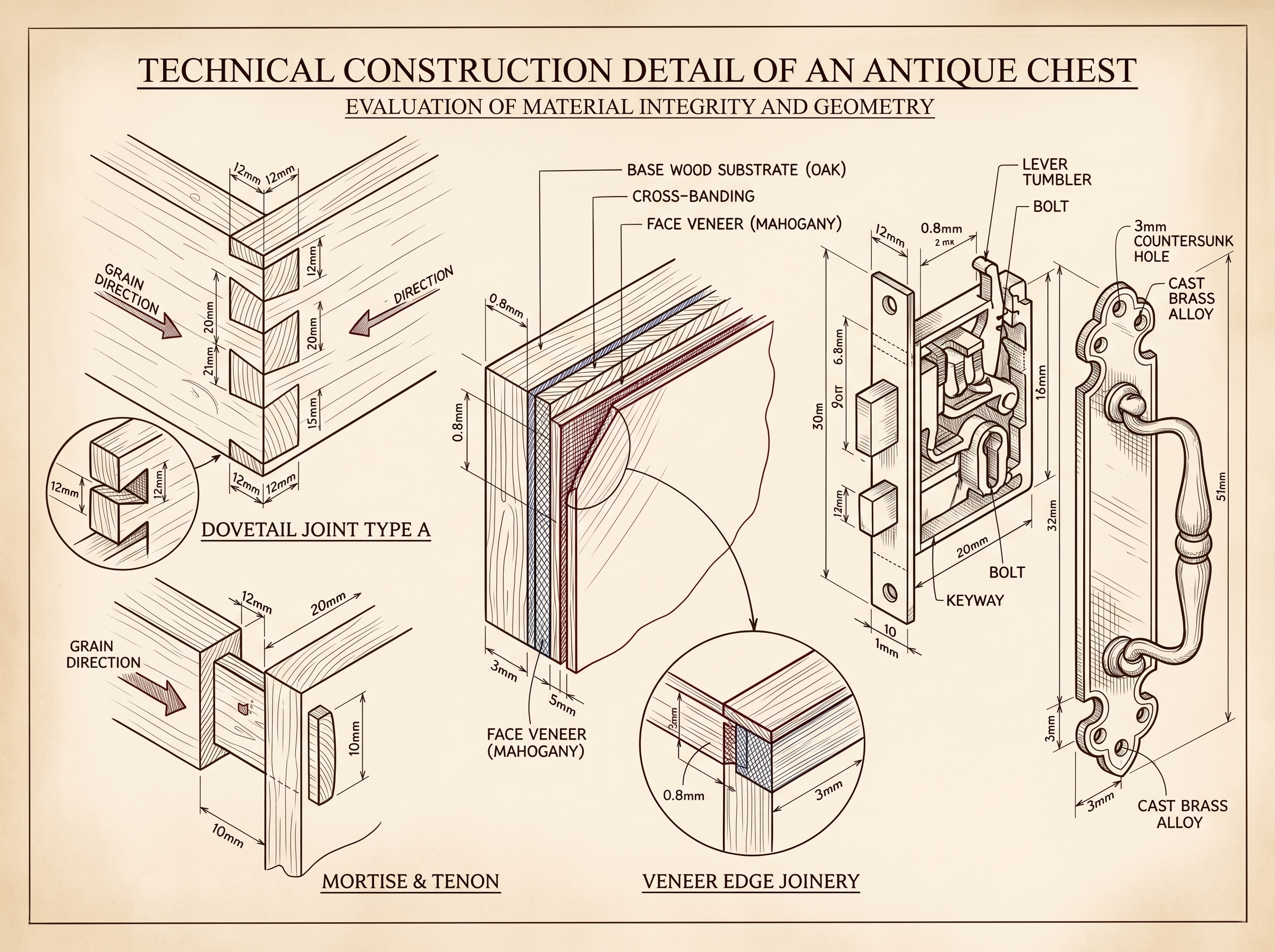
A formal appraisal is a written report from a credentialed appraiser, often required for insurance, tax deductions, or legal settlements. Appraisers charge $100–$400+ per hour and base their findings on in-person inspection. The document carries legal weight; an estimate does not.
Most people start with an estimate. If the number is high enough to matter—say, over $2,000—or if you need documentation for a specific legal or financial purpose, then you upgrade to a formal appraisal. There's no reason to pay $300 for an appraisal on a $150 piece.
When a Photo Estimate Answers "What Are My Antiques Worth"
A photo-based estimate is enough when you need to:
- •Decide whether to sell, donate, or keep an inherited piece
- •Price items for an estate sale or online listing
- •Get a second opinion before accepting a dealer's offer
- •Understand what you own without spending hundreds on appraisals
- •Triage a houseful of items and figure out what deserves more research
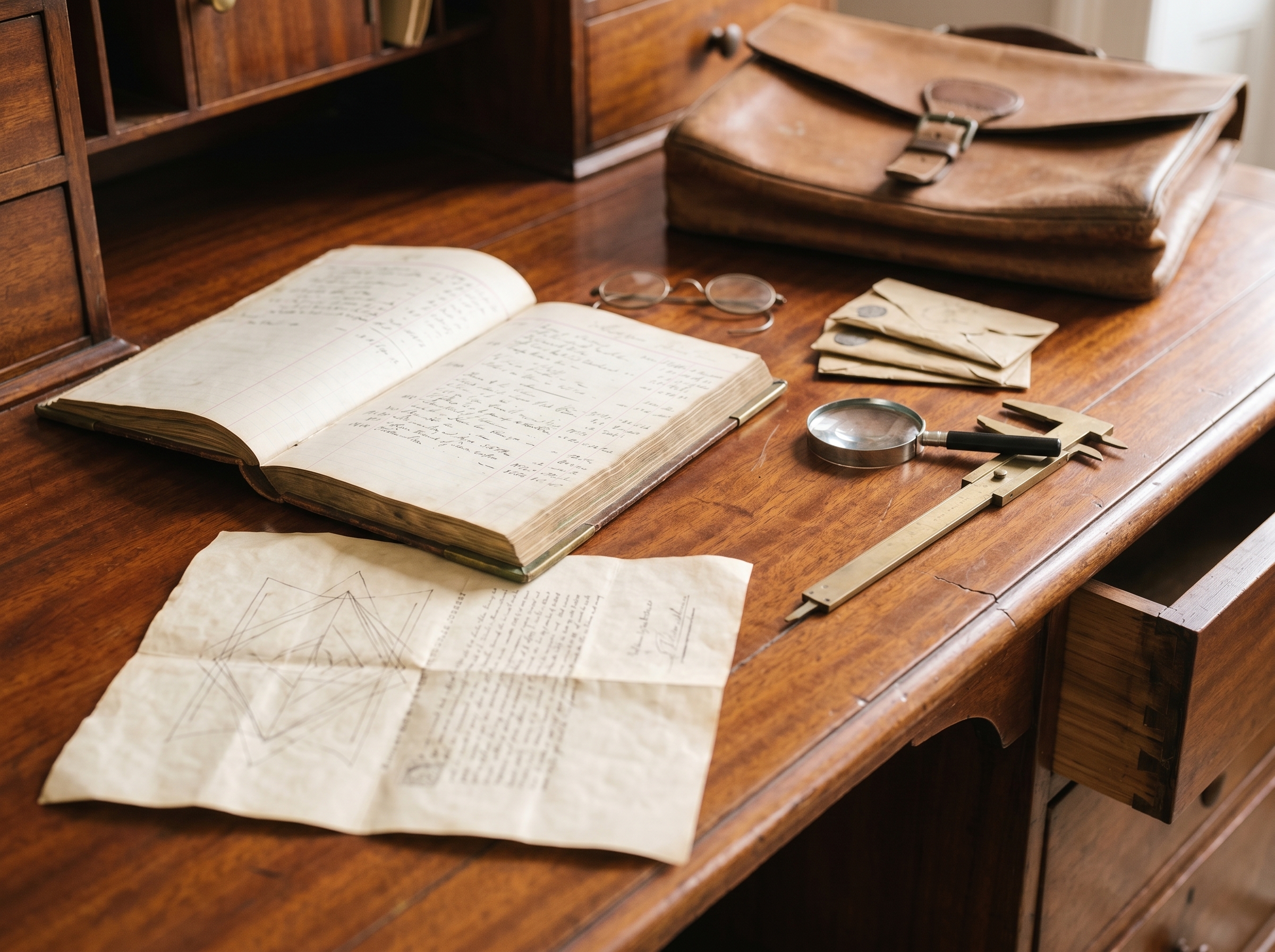
Photo estimates work well for furniture, ceramics, glassware, decorative objects, and collectibles with visible maker's marks or design details. The more you can show in clear images—labels, signatures, joinery, condition issues—the better the range.
Tocuro identifies pieces from photos and provides estimated value ranges based on current market signals, not formal appraisals. You get 7 free identifications per day, and the count resets daily, so you can work through a collection without upfront cost.
When to Call in a Professional Appraiser
You need a credentialed appraiser when:
- •Insuring high-value pieces (most carriers require a written appraisal over a certain threshold)
- •Donating antiques for a tax deduction (IRS rules mandate qualified appraisals for donations over $5,000)
- •Settling estates, divorces, or legal disputes where documentation is required
- •Selling at major auction houses, which may require condition reports or authentication
- •Dealing with suspected high-value items—original signed period pieces, documented provenance, museum-quality objects
Appraisers charge for their time and expertise, so it makes sense to use a photo tool first to figure out which pieces justify that investment. If Tocuro's estimate comes back at $100–$300, you probably don't need a $250 appraisal. If it flags a piece as potentially valuable, that's your cue to dig deeper.
How to Use Tocuro to Find Out What Your Antiques Are Worth
Start by photographing your pieces clearly. Shoot straight-on and at eye level. Capture maker's marks, labels, signatures, and hardware close-up. Show condition issues honestly—chips, repairs, wear. The algorithm uses those details to identify the item and pull relevant market comparables.
Upload your photos to Tocuro, and you'll get an identification plus an estimated value range. The range reflects current market signals—what similar pieces are listed and sold for recently. It's not a formal appraisal, but it's enough to make informed decisions fast.
You can process up to 7 items per day for free. If you're working through a larger estate or collection, the count resets daily, or you can opt for higher-volume access. Either way, you'll know within minutes whether something is worth $40 or $4,000, which is usually all you need to move forward.
For pieces that come back with higher estimates or uncertain provenance, consider following up with a specialist or appraiser who focuses on that category. For everything else, you've got your answer.
Ready to Find Out What Your Antiques Are Worth?
Stop guessing and get a realistic value range based on what's actually selling. Upload a photo to Tocuro and find out what your antiques are worth in minutes—no appointment, no guesswork, and 7 free estimates daily to get you started.
Photo-based estimate
Upload a Photo for a Fast Estimate
Use Tocuro to identify your item from a photo and get an estimated value range when market data is available.