
Real vs Reproduction Furniture: How to Tell the Difference Before You Buy
Reproduction furniture can be surprisingly convincing. This guide helps you identify the telltale differences between authentic period pieces and modern reproductions using visual clues visible in photos—from construction methods to aging patterns.
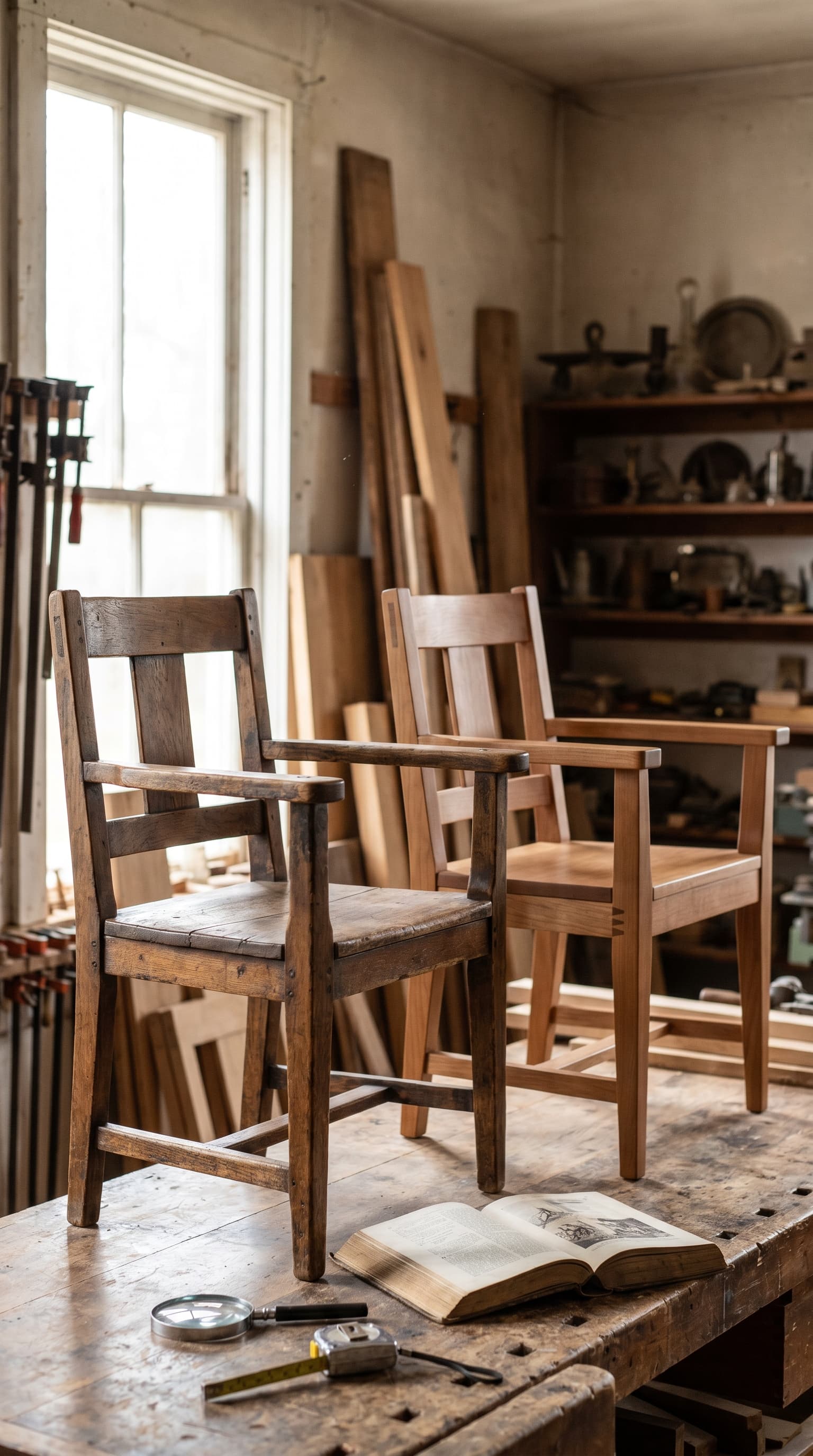
What You're Really Looking At
When you're eyeing a piece of furniture and wondering if it's the real deal or a reproduction, you're not just comparing old versus new. You're trying to figure out if that piece was made during its apparent style period or manufactured later to look that way. Real vs reproduction furniture comes down to honest age versus intentional imitation—and the distinction matters for both value and collecting decisions.
A reproduction isn't inherently bad. High-quality reproductions serve a purpose, especially for functional pieces. But when you're paying period prices for modern work, or when a seller misrepresents age, that's when authenticity becomes critical.
The good news: many telltale signs show up clearly in photos once you know what to look for.
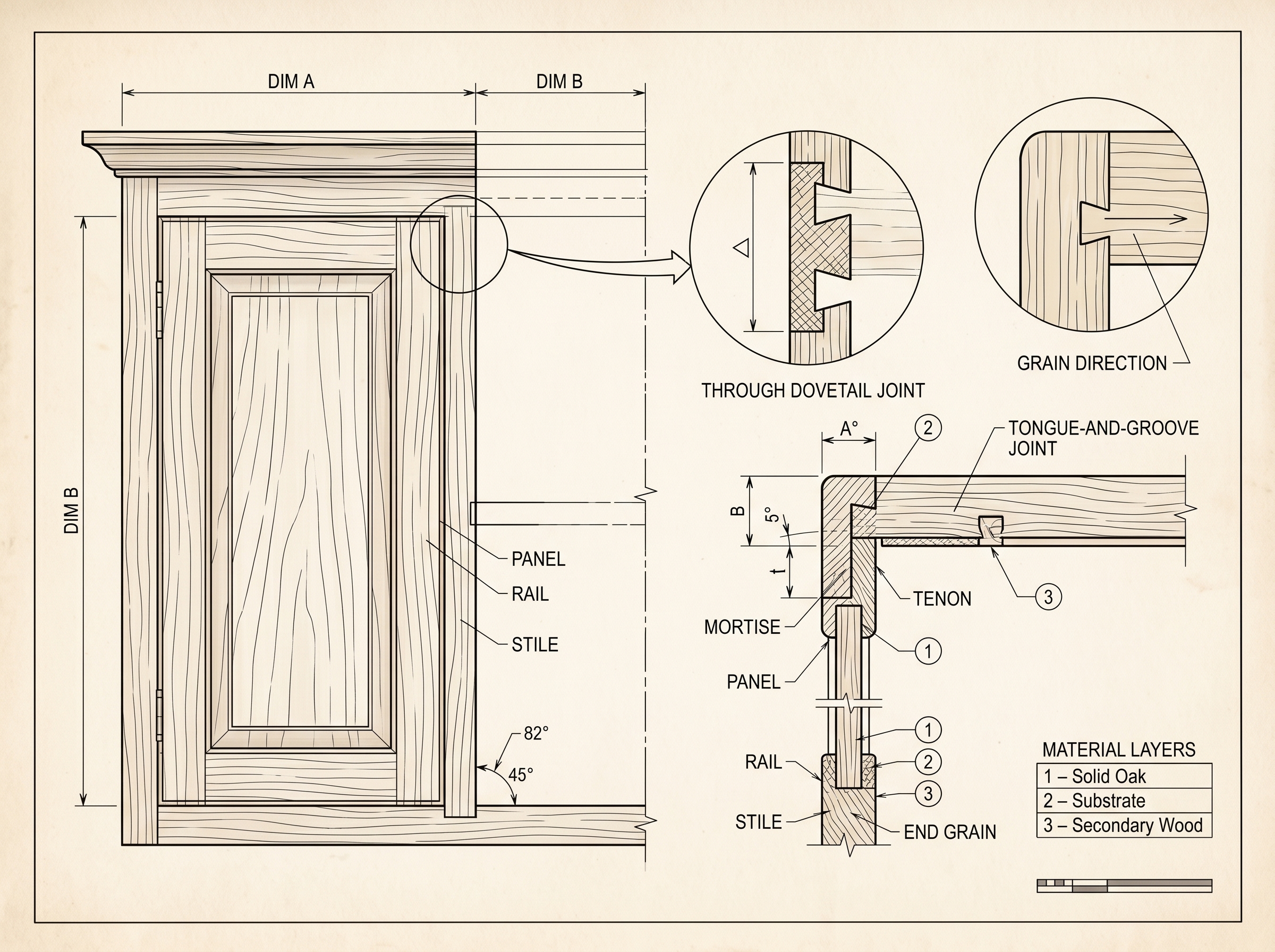
Visual Classification Checklist
Authentic period furniture reveals its age through accumulated evidence. Reproductions, even skilled ones, struggle to replicate all these markers simultaneously.
Construction methods are your first checkpoint. Period furniture was built with hand-cut dovetails (slightly irregular, variable spacing), mortise-and-tenon joinery, and hand-planed surfaces with subtle undulation. Reproductions often show machine-cut dovetails (perfectly uniform), router marks, or modern fasteners.
Tool marks tell the truth about manufacturing era. Look for pit saw marks (straight but irregular), hand plane irregularities, and chisel work that varies slightly. Reproductions typically show circular saw marks (curved lines), perfectly uniform surfaces from power sanders, or CNC machine precision.
Wood aging develops over decades, not days. Real period pieces display uneven patina (darker in protected areas, worn where hands touched), shrinkage cracks following grain lines, and darkening from oxidation and handling oils. Reproductions frequently show artificial distressing (too uniform, randomly placed), stain applied to mimic age, or "wear" in places that wouldn't naturally see use.
Hardware and fasteners are chronological markers. Authentic pieces have hand-forged nails (irregular heads, slightly bent shanks), hand-filed screws with off-center slots, or original brass with natural wear patterns. Reproductions reveal themselves through modern Phillips-head screws, machine-made nails, or artificially aged hardware with uniform "antiquing."
Secondary wood choices reflect period economics. Period makers used different woods for hidden parts—pine, poplar, or chestnut for drawer bottoms and backs where appearance didn't matter. Many reproductions use the same wood throughout or modern plywood in hidden areas.
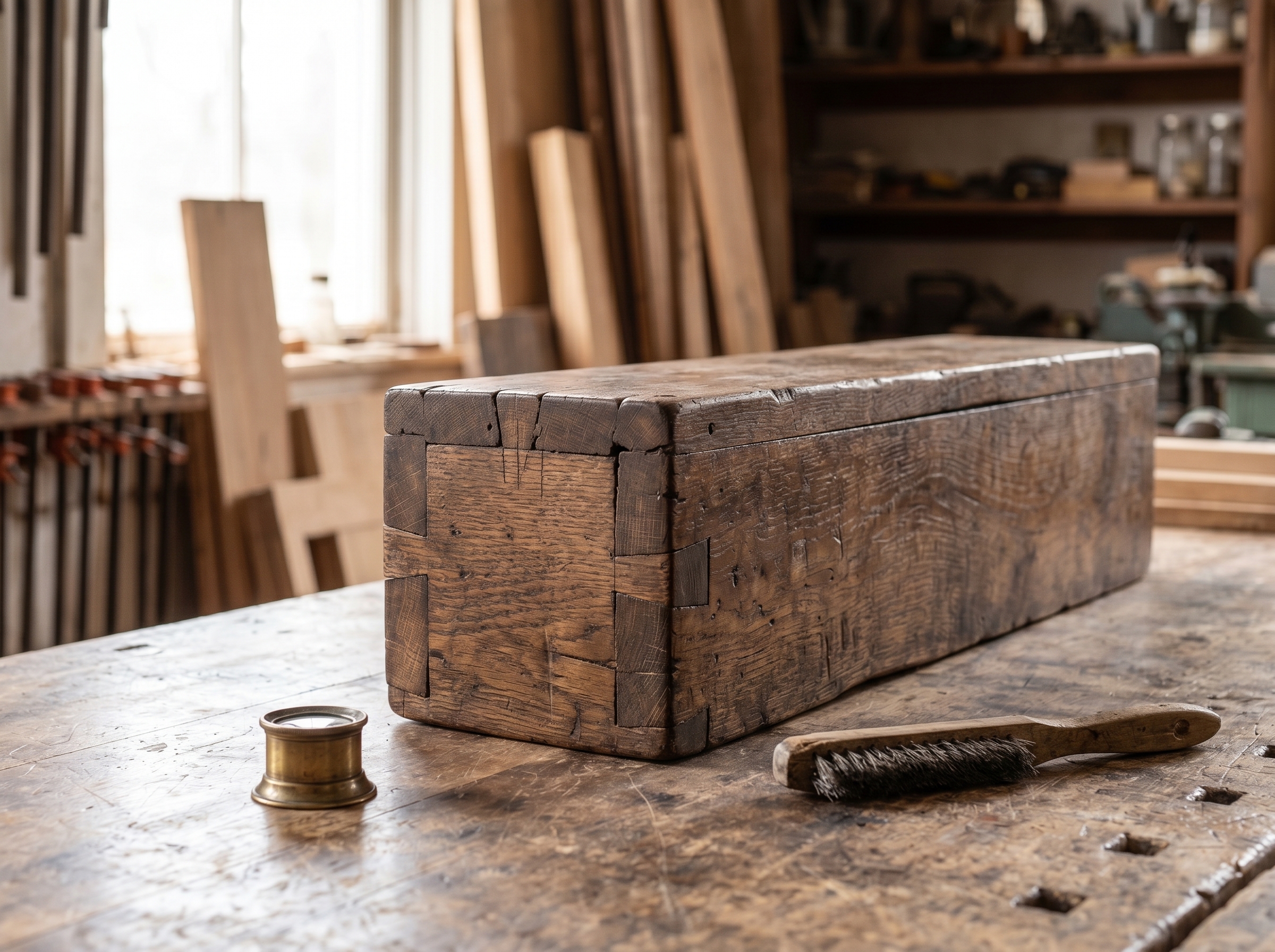
Common Real vs Reproduction Furniture Confusions
Some reproduction scenarios trip up even experienced collectors.
Period-style reproductions from the early 1900s blur the line. A 1920s Colonial Revival piece copying 18th-century design is now 100 years old itself. It's genuinely old, but not period-original. These can have legitimate collecting value but shouldn't be priced as true period pieces.
Marriages and modifications create hybrid authenticity. A period base with a replaced top, or authentic drawers in a rebuilt case, contain both real and reproduction elements. The question becomes which components are original and how much that matters.
High-quality custom reproductions from respected makers sometimes approach period construction methods. These pieces were never intended to deceive—they're honest reproductions by skilled craftspeople. Documentation and maker's marks usually clarify their nature.
Deliberate fakes represent the concerning end of the spectrum. These pieces intentionally mimic period construction, apply artificial aging, and may include fake labels or marks. They're designed to deceive, and they can be difficult to identify without physical inspection.
Regional variations and vernacular furniture sometimes look "wrong" because they don't match high-style examples. A rural piece might have cruder joinery or unusual proportions but still be authentically period. Don't dismiss legitimate regional work as reproduction just because it's unfamiliar.
What Photos Can Reveal About Authenticity
Many authenticity markers become visible when you photograph specific areas systematically. Here's what works well from photos and what doesn't.
Overall construction and proportions
- •Photo effectiveness: Medium
- •What to capture: Full views from multiple angles showing overall form, leg attachment points, and case construction
Period proportions often look slightly "off" to modern eyes because tastes have changed. Reproductions sometimes appear too perfect or too carefully balanced.
Joinery details
- •Photo effectiveness: High
- •What to capture: Close-ups of dovetails in drawers, mortise-and-tenon joints where visible, corner construction
Hand-cut joinery shows slight variations that machine work can't replicate. Zoom in tight on joint details to assess tool marks and cutting methods.
Surface texture and finish
- •Photo effectiveness: Medium
- •What to capture: Raking light across surfaces to highlight texture, close-ups of finish accumulation in crevices
Photos can reveal uneven surfaces and finish buildup, but true texture assessment often requires touch. Still, obvious uniformity or spray-finish orange peel shows clearly.
Wear patterns and patina
- •Photo effectiveness: High
- •What to capture: Areas of expected wear (drawer fronts, handles, feet), underside views showing natural aging, comparison between exposed and protected surfaces
Authentic wear accumulates logically over time. Photos can document whether wear appears in sensible locations or looks randomly applied.
Hardware and fasteners
- •Photo effectiveness: High
- •What to capture: Close-ups of screw heads showing file marks, nail types in hidden areas, brass patina and wear patterns
Modern fasteners are unmistakable once you know what period examples look like. Photos capture these details effectively.
Secondary wood and hidden areas
- •Photo effectiveness: Very High
- •What to capture: Drawer bottoms, cabinet backs, underside construction, wood species in non-visible areas
These areas often reveal the truth because forgers focus on visible surfaces. Photos of hidden construction are among your most valuable evidence.
Labels, marks, and signatures
- •Photo effectiveness: High
- •What to capture: Any maker's marks, period labels, auction tags, or handwritten notations
Authentic marks accumulated over time look different from artificially aged reproductions. Multiple photos with different lighting help assess authenticity.
How Tocuro Identifies Real vs Reproduction Furniture
When you're trying to determine if a piece is authentic or reproduction, systematic photo documentation gives you most of what you need to know. Tocuro analyzes photos of your furniture to help identify period, style, and authenticity markers—giving you a clearer picture before you make buying or selling decisions.
The platform examines construction details, aging patterns, and period-appropriate characteristics visible in your images, then provides context about what those features suggest. You'll get 7 free identifications per day, with the count resetting daily, so you can check multiple pieces or angles without commitment.
For pieces where authenticity is critical, start with comprehensive photos: overall views, joinery close-ups, hardware details, and hidden areas where reproduction tells often appear. The platform's analysis helps you understand what you're seeing and whether further expert examination makes sense for your specific piece.
What Physical Inspection Adds
Some authenticity factors require hands-on assessment. Weight and density reveal wood species and solid versus veneer construction. Surface feel shows genuine texture that photos compress. Structural soundness and drawer fit indicate manufacturing quality and aging effects.
Ultraviolet light examination can reveal repairs and finish applications invisible in normal light. Wood smell sometimes indicates species or modern treatment chemicals. These factors matter but typically come into play after photo analysis has already indicated the piece warrants closer investigation.
When to Trust Your Photos
For most pre-purchase decisions, good photographs reveal enough to make informed choices. If photos show machine dovetails, circular saw marks, or Phillips screws, you've identified a reproduction without needing physical access. Similarly, consistent period construction visible across multiple detail photos builds confidence in authenticity.
Seek additional expertise when photos show mixed signals—some period characteristics combined with questionable elements. Antique furniture research becomes especially important for expensive pieces or when authenticity directly affects significant value differences.
The real vs reproduction furniture question often resolves quickly once you know which visual clues matter most. Document systematically, look for consistent period evidence across multiple features, and remember that authentic age reveals itself through accumulated details that reproductions struggle to fake simultaneously.
Photo identification
Identify Your Furniture
Use Tocuro to identify your item from a photo and get an estimated value range when market data is available.