
Antique vs Vintage Furniture: What's the Difference and Why It Matters for Value
The terms 'antique' and 'vintage' aren't just labels—they're value indicators. Antiques are typically 100+ years old, while vintage refers to pieces 20-99 years old. This age distinction affects market pricing, collector demand, legal classifications, and resale potential. Understanding which category your furniture falls into helps you price it accurately, target the right buyers, and avoid common valuation mistakes.
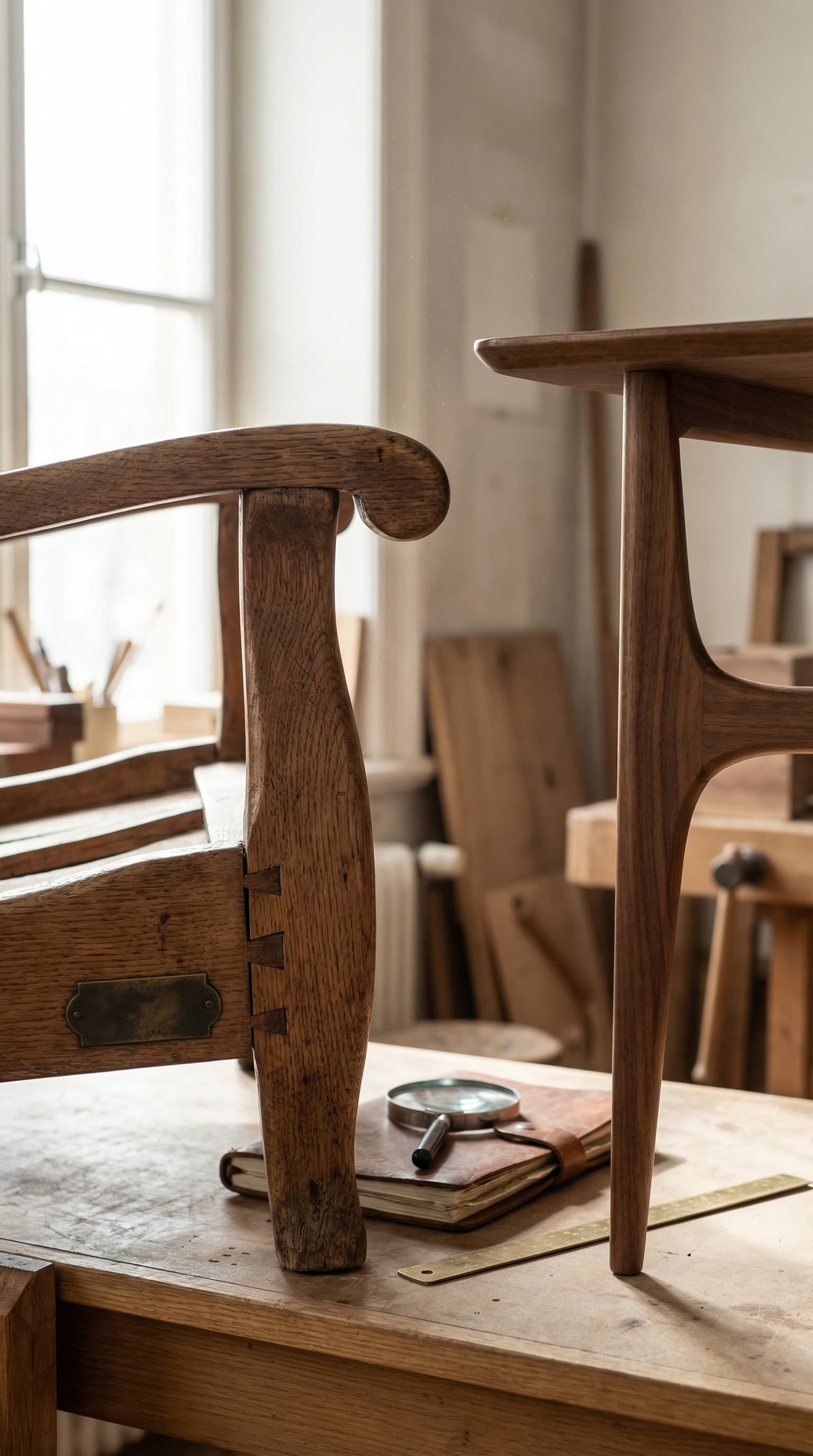
Antique vs Vintage Furniture: What's the Difference and Why It Matters for Value
You've inherited a beautiful dresser, picked up a mid-century chair at an estate sale, or stumbled upon a carved table at a flea market. Someone calls it "antique." Someone else says "vintage." But here's the thing: the difference between antique vs vintage furniture isn't just semantics—it directly impacts what your piece is worth and who's willing to pay for it.
TL;DR: Key Takeaways
- •Antique furniture is generally 100+ years old (made before ~1924)
- •Vintage furniture typically refers to pieces 20-99 years old
- •Age classification affects legal status, import duties, insurance, and market demand
- •Antiques often command premiums for craftsmanship and rarity, but vintage pieces from sought-after eras (like mid-century modern) can be equally valuable
- •Accurate dating is essential—misidentifying a vintage piece as antique (or vice versa) can cost you money
What Actually Makes Furniture "Antique" vs "Vintage"?
The antique vs vintage furniture difference starts with age, but the cutoffs matter more than you'd think.
Antique furniture is at least 100 years old. In the trade, this is the standard threshold. U.S. Customs uses this definition for import duties. Many insurance policies do too. If a chest of drawers was built in 1920, it's antique. If it was made in 1930, it's not—yet.
Vintage furniture describes pieces that are old enough to reflect a distinct era but haven't crossed the century mark. Most dealers and collectors use "vintage" for furniture that's roughly 20 to 99 years old. A 1960s Eames lounge chair? Vintage. A 1950s Heywood-Wakefield dresser? Vintage. A 2005 IKEA bookshelf? Just used.
This isn't about snobbery. It's about classification systems that affect real money: how pieces are taxed at borders, how they're insured, and what buyers expect to pay. Understanding where your furniture falls helps you identify its actual value and position it correctly in the market.
How the Antique vs Vintage Furniture Difference Impacts Value
Age alone doesn't determine worth, but it shapes the market in specific ways.
Craftsmanship and construction quality
- •Antique pieces: Often feature hand-cut dovetails, solid hardwood throughout, hand-planed surfaces, and joinery techniques that disappeared with industrial production
- •Vintage pieces: May blend machine and handwork; quality varies widely depending on era and maker—postwar pieces often use veneers and particle board, while earlier vintage furniture can rival antique construction
Antique furniture was typically built before mass production took over, which often (but not always) means superior materials and methods. That said, a poorly made Victorian side table isn't worth more than a beautifully crafted 1950s walnut credenza just because it's older. Condition, maker, and design matter enormously.
Market demand and collector interest
- •Antique appeal: Attracts traditional collectors, period home restorers, and buyers seeking investment-grade pieces with historical significance
- •Vintage appeal: Appeals to design enthusiasts, younger buyers furnishing modern spaces, and collectors focused on specific movements (mid-century modern, Art Deco, Danish modern)
Right now, certain vintage categories—especially mid-century modern from the 1950s-70s—can command prices that rival or exceed comparable antiques. A signed George Nakashima coffee table from 1960 will often sell for more than an unsigned 1880s farmhouse table, despite being 80 years younger. The antique vs vintage furniture value question depends heavily on what's trending and who's buying.
Legal and insurance classifications
- •Antique status: May qualify for duty-free import in some countries, can affect estate valuations, and sometimes qualifies for special insurance riders
- •Vintage status: Generally treated as standard used goods for customs and insurance purposes unless the piece has documented provenance or designer attribution
If you're buying, selling, or moving furniture across state lines or internationally, knowing whether your piece qualifies as antique can save you money. For valuation and insurance, accurate age documentation matters—especially for high-value items.
Authentication and documentation needs
- •Antiques: Often require more extensive research to authenticate, verify period construction, and rule out reproductions or "married" pieces (assembled from parts of different origins)
- •Vintage: Typically easier to verify through maker's marks, labels, catalogs, and surviving company records
The further back you go, the trickier authentication becomes. Learning how to date antique furniture using construction clues helps, but vintage pieces often come with clearer documentation trails—factory labels, designer signatures, and catalog references that make verification more straightforward.
Common Mistakes When Valuing Antique vs Vintage Furniture
Assuming older always means more valuable. A mass-produced 1900s oak washstand might be worth $150, while a signed 1965 Milo Baughman chair could fetch $2,000+. Age is one factor, not the only factor.
Confusing "antique-style" with actual antiques. Reproduction furniture has been made for over a century. A 1920s colonial revival piece styled after 18th-century designs is vintage, not antique—and worth considerably less than a genuine period piece.
Ignoring condition and originality. A heavily refinished, re-upholstered, and hardware-swapped antique often loses significant value compared to an original-finish vintage piece in excellent condition.
Not checking for designer or maker attribution. Many vintage pieces—especially mid-century modern—derive most of their value from the designer or manufacturer. Without proper identification, you might undervalue a piece significantly. If you're unsure, identifying furniture by photo can help narrow down makers and periods.
FAQ
Does furniture have to be 100 years old to be valuable?
Absolutely not. While 100 years is the threshold for "antique" classification, plenty of vintage furniture—especially designer pieces from the 1950s-1980s—commands premium prices. Value depends on maker, design significance, condition, and market demand, not just age. A 50-year-old Eames chair can be worth far more than a 120-year-old mass-produced dresser.
How can I tell if my furniture is antique or vintage?
Start with construction clues: hand-cut dovetails, saw marks, wooden pegs, and certain hardware types point to older pieces. Check for maker's marks, labels, or stamps that can help date manufacture. Look at joinery, finish, materials, and stylistic details. Our guide on how to identify antique furniture styles walks through the visual and construction clues that help pin down age ranges.
Will my vintage furniture become more valuable when it turns 100 years old?
Maybe, but don't count on it. Crossing the antique threshold doesn't automatically increase value—it just changes classification. What matters more is whether the piece represents good design, quality construction, or historical significance. Some furniture appreciates with age; plenty doesn't. Market trends, condition, and desirability matter far more than arbitrary age cutoffs.
Ready to Find Out What Your Piece Is Really Worth?
Whether you've got an antique heirloom or a vintage score, understanding the age and category is just the first step. Getting an accurate valuation requires looking at the whole picture: maker, condition, style, provenance, and current market demand.
Tocuro helps you identify and value your furniture with tools built for real collectors—not just dealers or academics. Upload photos, get expert insights, and understand what your pieces are actually worth in today's market. Sign up free and stop guessing about your furniture's value.
Photo identification
Identify Your Item
Use Tocuro to identify your item from a photo and get an estimated value range when market data is available.